Post by : Anees Nasser
Maintaining oral health extends far beyond achieving a bright smile. Conditions like tooth decay, gum disease, and oral cancers can develop without symptoms for extended periods. Early detection allows for simpler, less costly treatments, resulting in a better patient experience and long-term outcomes.
Typically, dental screenings are reactive; many patients seek help only when they experience pain or visible issues. Additionally, limited access to dental professionals in numerous areas further delays diagnosis, allowing conditions to worsen silently. AI-powered screening tools aim to transform this reactive approach into a proactive one, anticipating risks and identifying early disease signs prior to requiring major interventions, thus streamlining diagnostics and addressing healthcare disparities in underserved regions.
Recent advancements in AI have made a significant impact on dental screening. Key features include:
AI systems, especially those utilizing deep learning, are capable of processing dental X-rays and other imaging modalities to uncover issues like cavities, missing or impacted teeth, and lesions. These systems analyze vast amounts of images quickly and accurately.
Moving beyond simple diagnoses, AI tools can now assign oral health scores that reflect disease severity, risk factors, and potential treatment costs, aiding clinicians in prioritizing patient care and supporting broader health planning.
AI screening apps leveraging smartphone cameras and portable scanners are under trial in resource-limited locations, enhancing accessibility and facilitating early detection where traditional dental services are deficient.
AI can parse large datasets to reveal trends and pinpoint high-risk demographics, enabling targeted preventive health campaigns and efficient resource allocation that boost community oral health.
AI tools can assist dentists by identifying areas of concern, thus reducing the time spent on image evaluation and allowing clinicians to devote more attention to direct patient care.
Several practical applications underscore the promise of AI in dental screening:
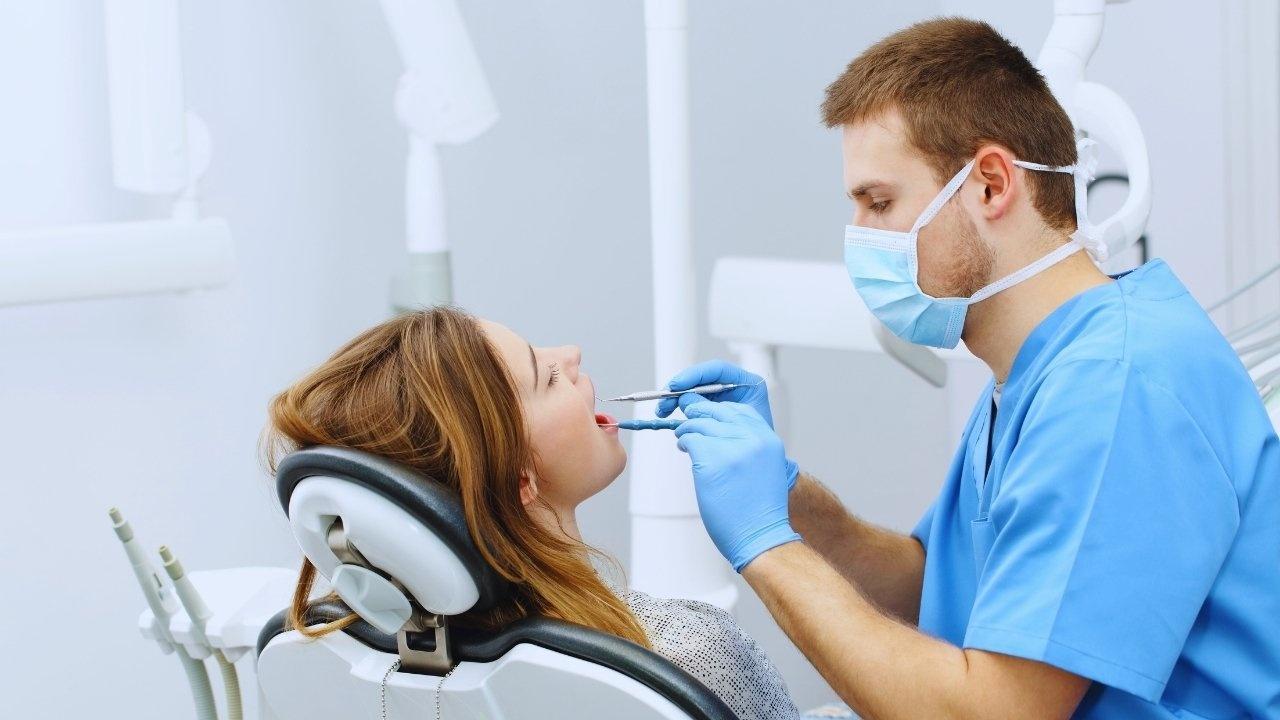
Dental clinics are integrating AI scanning technologies to help diagnose common ailments like decay and gum inflammation, leading to reduced wait times and enhanced patient flow.
Research initiatives that combine data from various countries reveal that AI can perform at par or even exceed human clinicians for specific tasks.
Mobile screening technologies have shown viability in community settings, allowing earlier diagnoses in populations lacking adequate dental services.
These instances demonstrate that AI-enabled dental screening is progressing from theoretical frameworks to tangible applications, yielding positive outcomes in real-world scenarios.
Improved speed of detection, leading to less invasive treatments and reduced expenses.
Convenient screening methods, including mobile applications and shorter appointments.
Enhanced access for rural, marginalized, or busy demographics.
Lowered burden of manual analyses, allowing clinicians to engage more directly with patients and focus on complex treatments.
Consistent detections promote standardization and reduce variations across dental practices.
AI tools aid in prioritizing high-risk patients, ensuring timely care.
Risk assessments help allocate resources strategically to at-risk populations.
Proactive detection curtails the need for costly interventions like root canals and surgeries.
Aggregated analytics enhance community health planning and preventive strategies.
AI systems rely on high-caliber, diverse datasets. Disparities in imaging quality, demographics, and equipment can introduce bias, impacting the accuracy in varied environments.
AI's strong performance in studies does not guarantee similar outcomes in everyday settings. Ensuring efficacy across different demographics and imaging methods remains a challenge.
The effective adoption of AI necessitates staff training, workflow modifications, and well-defined referral processes. Lacking proper integration can limit the tool’s benefits.
Given the sensitivity of dental data, AI solutions must adhere to privacy laws, obtain informed consent, and guarantee transparency regarding algorithmic decisions.
AI should enhance rather than supplant clinical expertise. Clean scans don’t guarantee full health, necessitating professional evaluations of any flagged anomalies.
Even with low-cost options, certain regions may lack the necessary devices or internet access, continuing to impede access to AI screening technology.
Choose solutions validated in practical clinical situations.
Ensure imaging protocols are compatible with AI needs.
Train personnel to effectively interpret AI-generated results.
Establish defined referral routes for flagged results.
Ensure compliance with local data protection regulations.
Monitor performance continuously for quality and outcomes.
Assess cost-effectiveness and its impact on patient management efficiency.
Educate patients on the supportive role of AI in clinical decisions.
Future AI innovations may integrate various imaging types, alongside lifestyle data, for enhanced risk profiling.
AI will likely increase its capacity to predict future dental risks, facilitating preventive care before illness takes root.
Portable AI screening tools will become more commonplace, especially in underserved regions.
AI applications will connect individuals with tailored preventive initiatives, including hygiene education and monitoring.
New regulations will clarify performance standards and best practices for the accreditation of AI functionalities in dental care.
As AI technology progresses, screening tools will become more accessible, bolstering public health endeavors and educational initiatives.
Patients should inquire about AI diagnostic options during dental visits.
Understanding that early detection can mitigate extensive dental work is crucial.
Regular hygiene practices must continue, including brushing, flossing, and balanced nutrition.
Recognize that AI enhances but does not substitute routine dental check-ups.
The integration of AI into dental screening is revolutionizing oral health management from a reactive to a proactive model. By facilitating early detection and preventive strategies, AI significantly improves outcomes for patients, medical practitioners, and healthcare systems. Nonetheless, these tools require high-caliber data, human supervision, and thoughtful incorporation into standard dental practices. When partnered with skilled professionals and patient awareness, AI screenings can be pivotal in promoting dental health and enhancing care quality.










Anticipated Dates for UAE Eid Al Adha 2026 Unveiled by Astronomical Experts
Experts predict Eid Al Adha 2026 in the UAE to start on May 27, prompting early holiday planning amo

DAE Achieves Remarkable Growth in Q1 2026 With Record Revenue
Dubai Aerospace Enterprise announces impressive financial results for Q1 2026, reflecting a surge in

Price Increase for Sony PS5 in Southeast Asia Effective May 1
Sony announces a price increase for the PS5 across Southeast Asia starting May 1, 2026, impacting ga

Potential ‘Super El Niño’ in 2026: Understanding the Climate Risks
Could a Super El Niño emerge in 2026? Discover its implications and potential global climate impacts

Global Energy Crisis Intensifies: Markets React to Oil Supply Challenges
Markets are on edge as oil disruptions escalate, influencing prices and economic stability. Explore

Must-See Tourist Spots in London You Can't Overlook
Explore London's essential attractions, from royal landmarks to vibrant markets, ensuring an unforge




