Post by : Shakul
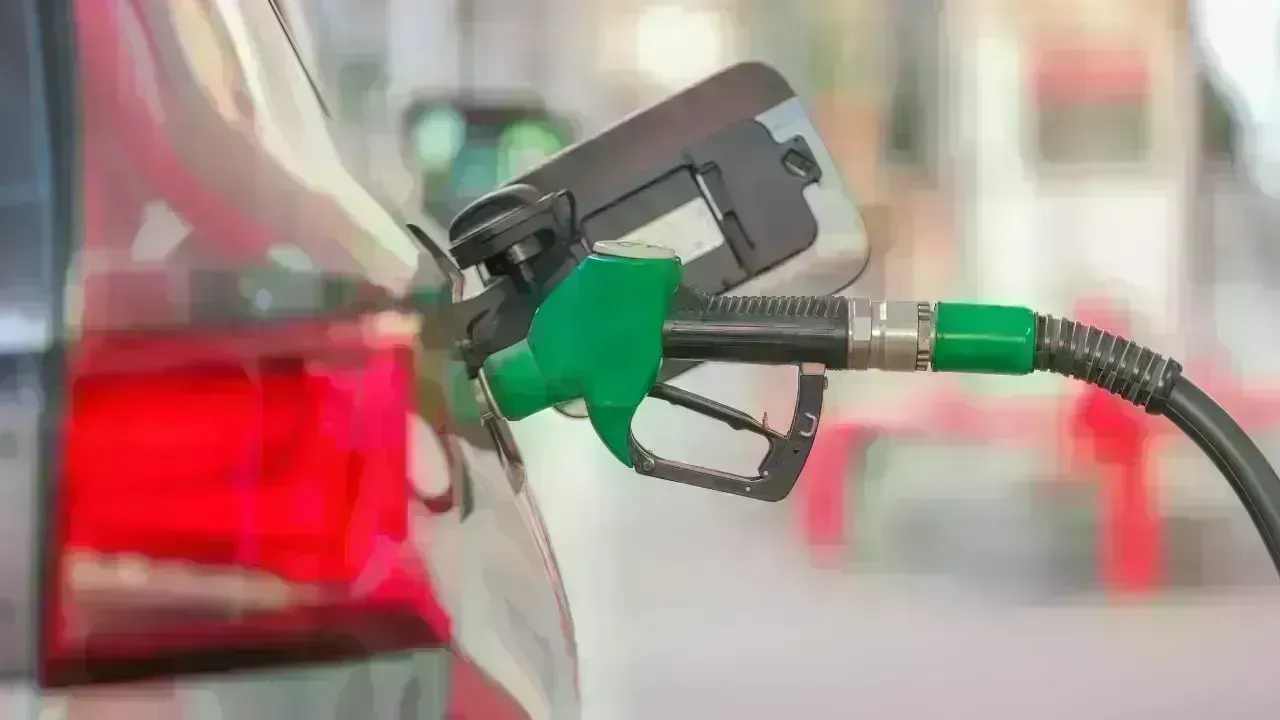
In light of the escalating global fuel crisis, Cambodia is ramping up its efforts to tap into substantial offshore oil and gas reserves estimated at nearly $300 billion. Tensions surrounding the Strait of Hormuz have made achieving energy security an urgent national objective for the country.
Keo Rottanak, Cambodia’s Energy Minister, noted that the ongoing conflicts, particularly with Iran, underscore the vulnerabilities of nations dependent on imported energy. The Strait of Hormuz is pivotal for global oil transportation, with nearly 20% of the world's oil passing through, making any disruptions here particularly impactful.
The Cambodian government is now advocating for a swift resolution to its prolonged maritime dispute with Thailand. Both countries assert claims over a significant area of the Gulf of Thailand, believed to house roughly 11 trillion cubic feet of natural gas alongside substantial oil reserves beneath the seabed.
Officials reveal that numerous international energy firms, including major global players, have expressed interest in exploring the contested offshore area, contingent on a peaceful resolution of the territorial disagreements. This potential energy exploration could catalyze economic growth and foster energy independence for both nations.
The political sensitivity surrounding the dispute is palpable. Earlier this month, Thailand concluded a longstanding agreement promoting collaborative offshore energy endeavors, a move met with opposition from Cambodia, which now seeks a compulsory reconciliation process under the United Nations Convention on the Law of the Sea (UNCLOS).
Cambodia advocates for the UN conciliation process as the most viable path for amicably resolving maritime boundary disputes, hoping it could pave the way for renewed cooperation and investments in the energy sector.
Experts caution that any delays could undermine investor confidence, as offshore projects require huge investments, cutting-edge technology, and a stable environment. Cambodian authorities assert that prolonged indecision may hinder future international funding, especially given the dynamic nature of global energy markets.
Cambodia has faced challenges in realizing its oil potential, producing its first crude oil in 2020 through a partnership with Singapore's KrisEnergy, which unfortunately collapsed when the company went into liquidation shortly after. Since then, the Cambodian government has been striving to restore faith in the sector.
Despite advancing renewable energy capacities through hydropower and solar initiatives, officials maintain that fossil fuel development remains crucial for industrial growth and future economic prosperity. Energy security has now ascended to one of Cambodia’s highest strategic priorities.




Meta Unveils Subscription Plans for Instagram, Facebook, and WhatsApp
Meta introduces new subscription plans for users of Instagram, Facebook, and WhatsApp, featuring enh

Suvarna Joy on Education Leadership, Resilience, and Building Purpose Through Adversity in the UAE
Suvarna Joy shares her journey of education leadership, motherhood, faith, and resilience within the

Anticipated Dates for UAE Eid Al Adha 2026 Unveiled by Astronomical Experts
Experts predict Eid Al Adha 2026 in the UAE to start on May 27, prompting early holiday planning amo

DAE Achieves Remarkable Growth in Q1 2026 With Record Revenue
Dubai Aerospace Enterprise announces impressive financial results for Q1 2026, reflecting a surge in

Price Increase for Sony PS5 in Southeast Asia Effective May 1
Sony announces a price increase for the PS5 across Southeast Asia starting May 1, 2026, impacting ga

Potential ‘Super El Niño’ in 2026: Understanding the Climate Risks
Could a Super El Niño emerge in 2026? Discover its implications and potential global climate impacts




