Post by : Anees Nasser
Covering over two-thirds of Earth, oceans play a crucial role in regulating climate, producing oxygen, and sustaining livelihoods. However, for many years, they have not received the attention they deserve in policy-making. This trend is shifting dramatically in 2026.
Marine ecosystems are now prominent in environmental conversations, with scientists highlighting the dire conditions of coral reefs, fisheries, mangroves, and deep-sea habitats, all of which are nearing critical limits. Climate change, pollution, and overfishing are converging to create a pressing crisis.
What sets this period apart is the palpable urgency. Governments, NGOs, coastal communities, and international bodies are transitioning from mere awareness to decisive action, acknowledging that the health of our oceans is intrinsic to human survival.
Marine biodiversity encompasses a vast array of life, from plankton to whales, and from coral reefs to deep-sea ecosystems. These species form intricate food webs that sustain fishing industries, safeguard coastlines, and uphold ecological integrity.
Healthy oceans are synonymous with resilience. A decline in biodiversity weakens ecosystems, making them less capable of recovering from disturbances like storms and pollution.
Recent scientific studies indicate a steep decline in marine species populations over the past decades, with coral reefs, often dubbed the sea's rainforests, being among the most endangered ecosystems.
Oceans act as a significant carbon sink, absorbing excess heat due to climate change. While this has a mitigating effect on land temperatures, it poses enormous stress on marine organisms.
The frequency and severity of marine heatwaves are escalating, resulting in widespread coral bleaching. Repeated bleaching drastically reduces corals' chances of recovery.
The absorption of carbon dioxide by oceans results in increased acidity, affecting shell-forming marine life, including corals and mollusks, disrupting entire food webs.
Overfishing remains a principal concern for marine biodiversity. Numerous commercially vital fish stocks are being harvested faster than their ability to regenerate.
Illegal and unregulated fishing undermines conservation efforts, particularly in international waters.
The decline in fish stocks jeopardizes food security and livelihoods for countless coastal communities, especially those in developing nations.
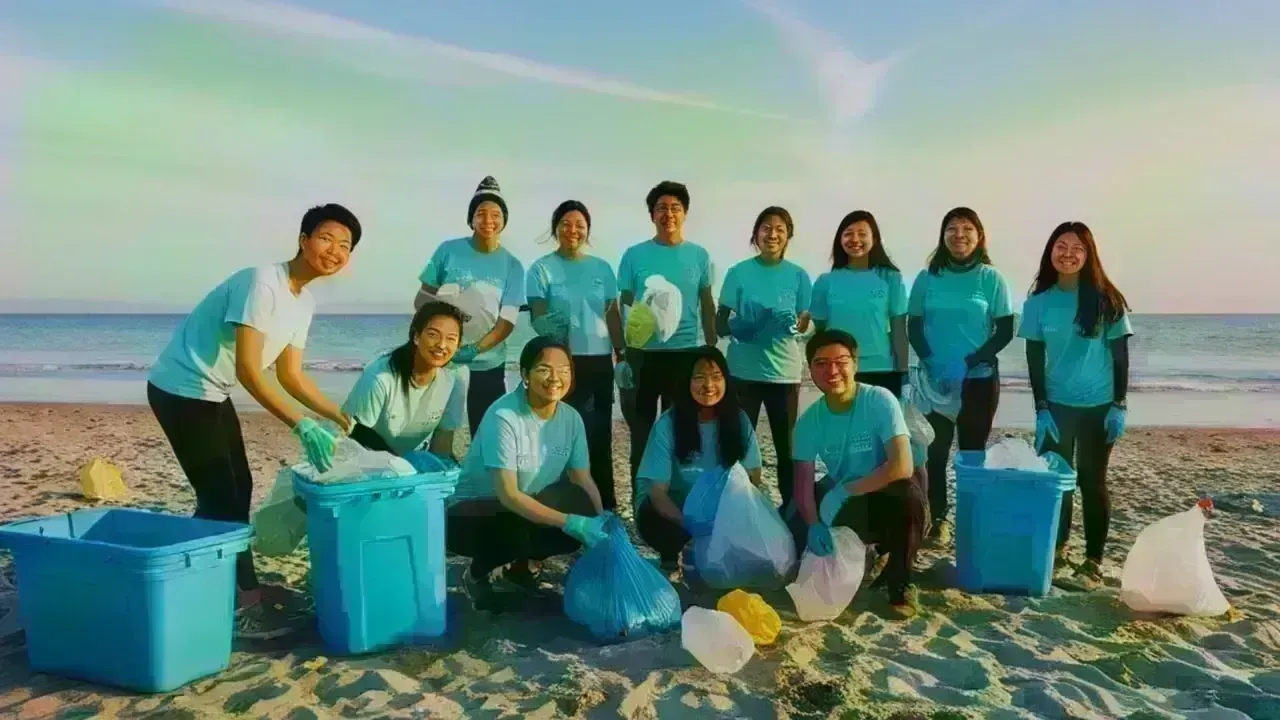
Plastic waste has emerged as a prominent indicator of ocean degradation, with millions of tons entering the sea annually and breaking down into microplastics.
Marine life often confuses plastic for food, which leads to severe injuries and fatalities.
Microplastics are now present in seafood, salt, and drinking water, prompting concerns regarding their long-term effects on human health.
A notable highlight in 2026 is the increased establishment of marine protected areas, aimed at regulating human activity for ecosystem recovery.
Well-maintained marine protected zones boost biodiversity, rejuvenate fish populations, and strengthen ecosystem resilience.
International agreements target 30 percent of the oceans for protection by 2030. Although progress is inconsistent, more countries are stepping forward to create these vital zones.
Significant areas of the ocean exist beyond national jurisdiction. The High Seas Treaty, championed by the United Nations, represents a pivotal shift in ocean governance.
It facilitates the formation of protected areas in international waters and sets essential guidelines for environmental assessments.
Without adequate governance, the high seas remain at risk of unchecked exploitation. International cooperation is crucial to protect global biodiversity.
Conservation strategies are evolving to include restoration tactics. Scientists explore coral nurseries, resilient coral strains, and assisted regeneration methods.
While restoration is not a replacement for climate action, it provides a hopeful avenue for safeguarding vital reef ecosystems.
Local populations are increasingly engaged in monitoring and restoring reefs, merging traditional knowledge with scientific insights.
Mangroves and seagrass beds are being acknowledged for their capacity to store carbon, recognized as blue carbon ecosystems.
These habitats shield coastlines while simultaneously sequestering carbon.
Efforts to restore mangroves yield numerous benefits, including climate action, biodiversity conservation, and support for coastal communities.
The integration of satellites, AI, and drones is transforming ocean monitoring, allowing for near-real-time tracking of illegal activities.
These technologies enhance enforcement capabilities, particularly in isolated ocean areas.
Contributions from divers, fishermen, and coastal residents provide essential data through mobile platforms, enriching conservation efforts.
Countries are increasingly adopting science-based fisheries management practices, establishing catch limits that align with ecological health.
Certification systems help consumers make informed choices and encourage sustainable fishing practices.
Linking economic incentives to conservation efforts is becoming essential for achieving long-term sustainability.
Seafood is crucial for billions worldwide, making the sustainable management of fisheries essential for future food security.
Aquaculture is on the rise but must be approached responsibly to mitigate potential pollution and habitat loss.
Coastal and island communities are often the first to bear the consequences of ocean degradation, facing challenges like decreasing fish populations and more intense storms.
Empowering these communities through rights-based approaches proves more effective than traditional management strategies.
Youth movements are infusing new urgency into ocean conservation efforts. Utilizing social media, educational campaigns, and grassroots activism, they’re shifting public attitudes.
Fostering ocean literacy is increasingly recognized as essential for sustainable change.
Oceans support industries generating trillions yearly, such as tourism and fisheries. Degrading ocean environments jeopardize economic growth.
Preventive conservation efforts are notably more cost-effective than facing complete ecological collapse.
Many crucial conservation initiatives are hampered by lack of funding and ineffective enforcement, especially in developing regions.
Without substantial reductions in global emissions, effective conservation efforts may falter in the fight against ocean warming and acidity.
The ocean conservation landscape in 2026 underscores a growing recognition that marine biodiversity is intimately connected to human welfare. While obstacles remain significant, unified global action is gaining momentum.
The choices made now regarding protection, pollution, climate response, and sustainable use will determine the health of our oceans for generations.
Oceans are not infinite resources, but rather dynamic ecosystems under duress, yet capable of recovery when given the opportunity.
Efforts in marine biodiversity and ocean conservation in 2026 serve as both a warning and an opportunity. The consequences of inaction are dire, affecting ecosystems and human lives alike. However, through science, collaboration, and commitment, we can restore ocean vitality and ensure a sustainable future.
The drive to protect our oceans represents not just an environmental responsibility, but a profound human imperative.
This article is designed for informational and editorial purposes. Outcomes of conservation depend on effective policies, funding, and international collaboration. Readers should consult official scientific and environmental updates for the latest news.










Meta Unveils Subscription Plans for Instagram, Facebook, and WhatsApp
Meta introduces new subscription plans for users of Instagram, Facebook, and WhatsApp, featuring enh

Suvarna Joy on Education Leadership, Resilience, and Building Purpose Through Adversity in the UAE
Suvarna Joy shares her journey of education leadership, motherhood, faith, and resilience within the

Anticipated Dates for UAE Eid Al Adha 2026 Unveiled by Astronomical Experts
Experts predict Eid Al Adha 2026 in the UAE to start on May 27, prompting early holiday planning amo

DAE Achieves Remarkable Growth in Q1 2026 With Record Revenue
Dubai Aerospace Enterprise announces impressive financial results for Q1 2026, reflecting a surge in

Price Increase for Sony PS5 in Southeast Asia Effective May 1
Sony announces a price increase for the PS5 across Southeast Asia starting May 1, 2026, impacting ga

Potential ‘Super El Niño’ in 2026: Understanding the Climate Risks
Could a Super El Niño emerge in 2026? Discover its implications and potential global climate impacts




