Post by : Priya
Photo:AFP
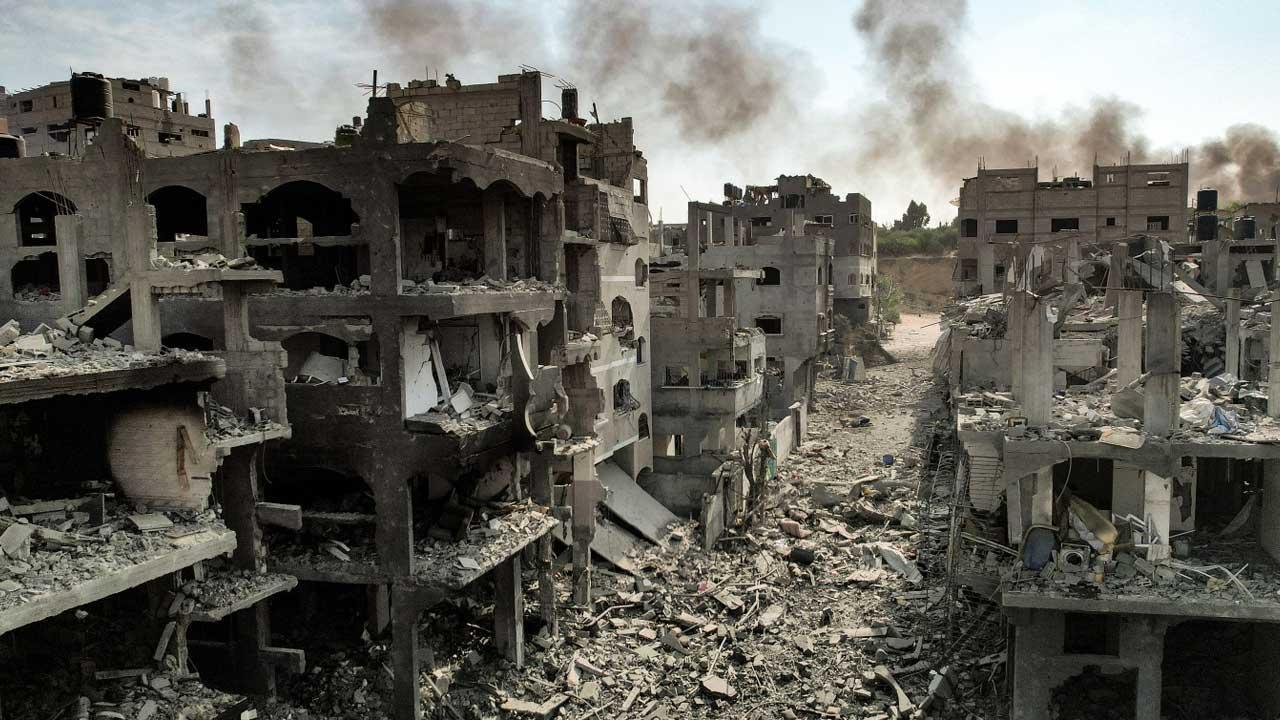
Twenty years ago, in August 2005, Israel made a historic decision to withdraw its military forces and dismantle all 21 Jewish settlements from the Gaza Strip. This event, known as the Israeli disengagement from Gaza, was one of the most defining moments in the Israeli-Palestinian conflict. It marked a shift in Israel’s policy but also exposed deep and persistent challenges that continue to shape the lives of millions in the region today.
The Israeli Disengagement Plan
In 2005, Israel's government, led by then-Prime Minister Ariel Sharon, decided to take a unilateral step by evacuating all Israeli settlers from Gaza and pulling out military troops. This plan also included the removal of four settlements in the West Bank. The withdrawal was intended to be a bold move to reset the stalled peace process with the Palestinians and reduce Israel’s military and economic burden in Gaza, where roughly 8,000 Israeli settlers lived among 1.5 million Palestinians.
The decision was deeply controversial within Israel. The images of Israeli soldiers forcibly evacuating Jewish families from their homes caused shock and anger, especially among settlers and the political right. This anger helped boost far-right political groups within Israel, shaping the country’s political future and weakening efforts toward a two-state solution.
Immediate Effects and Political Fallout
For Palestinians in Gaza, the withdrawal initially brought hope for a new era. Israel’s removal of settlements meant increased freedom of movement within Gaza and a feeling of partial sovereignty. However, the reality soon became more complex and difficult.
In 2006, Hamas, a militant group opposed to Israel, won Palestinian elections and quickly took control of Gaza from the Palestinian Authority through a violent takeover. This change dramatically altered the political landscape. Israel and Egypt responded by imposing strict blockades on Gaza, controlling goods and people’s movement in and out of the territory. These restrictions have caused severe economic hardship and isolation for Gaza's population over the years.
Israel retained control over Gaza’s airspace, coastline, and border crossings, maintaining significant influence and responsibility over the territory. This complex situation blurred the line between occupation and withdrawal, with many experts questioning whether Israel's disengagement truly ended its control over Gaza.
The Rise of Hamas and Regional Dynamics
By withdrawing unilaterally without coordinated agreements with the Palestinian Authority, Israel inadvertently increased Hamas’s reputation among Gazans. Hamas portrayed the withdrawal as a victory of armed resistance, which helped them consolidate power and justify continued conflict with Israel.
The power struggle between Hamas and the Palestinian Authority, combined with economic hardship due to the blockade, led Gaza into a precarious state. The separation between Gaza and the West Bank deepened, weakening the prospect of a unified Palestinian government and coherent peace negotiations.
Missed Opportunities and Lasting Challenges
Many Israeli military and political experts have acknowledged that the withdrawal was strategically necessary, given the unsustainable cost of defending small settlements surrounded by hostile territory. Yet, there is also broad agreement that Israel missed critical opportunities in the process.
The disengagement happened without any political deals or security guarantees from Palestinian leaders. Instead of fostering peace, it allowed Hamas to militarize and expand its influence. Israel's subsequent policy of containment rather than engagement created a “blind spot,” underestimating Hamas's transformation into a structured military force with commands and battalions.
The harsh blockade and repeated conflicts have further devastated Gaza’s infrastructure and economy. Families in Gaza face daily struggles with electricity shortages, unemployment, limited access to clean water, healthcare challenges, and restricted movement even within their own territory.
Present Situation and the Ongoing Conflict
Today, nearly two decades later, Israel and Gaza remain locked in a brutal and protracted conflict. The recent nearly two-year-long war between Israel and Hamas has inflicted heavy damage on Gaza’s people and infrastructure, and Israeli soldiers are again deeply involved in Gaza’s territory. These events suggest that Israel will likely maintain a military presence there for the foreseeable future.
Israeli leaders continue to expand settlements in the West Bank and express hardline views about Gaza and Palestinian statehood, diminishing the chances for meaningful peace negotiations. Meanwhile, Palestinians in Gaza endure severe hardships under blockade and conflict, with little hope for political resolution.





Mattel Revives Masters of the Universe Action Figures Ahead of Film Launch
Mattel is reintroducing Masters of the Universe figures in line with its upcoming film, tapping into

China Executes 11 Members of Criminal Clan Linked to Myanmar Scam
China has executed 11 criminals associated with the Ming family, known for major scams and human tra
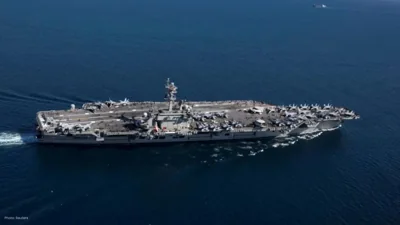
US Issues Alarm to Iran as Military Forces Deploy in Gulf Region
With a significant military presence in the Gulf, Trump urges Iran to negotiate a nuclear deal or fa

Copper Prices Reach Unprecedented Highs Amid Geopolitical Turmoil
Copper prices soar to all-time highs as geopolitical tensions and a weakening dollar boost investor

New Zealand Secures First Win Against India, Triumph by 50 Runs
New Zealand won the 4th T20I against India by 50 runs in Vizag. Despite Dube's impressive 65, India