Post by : Saif Nasser
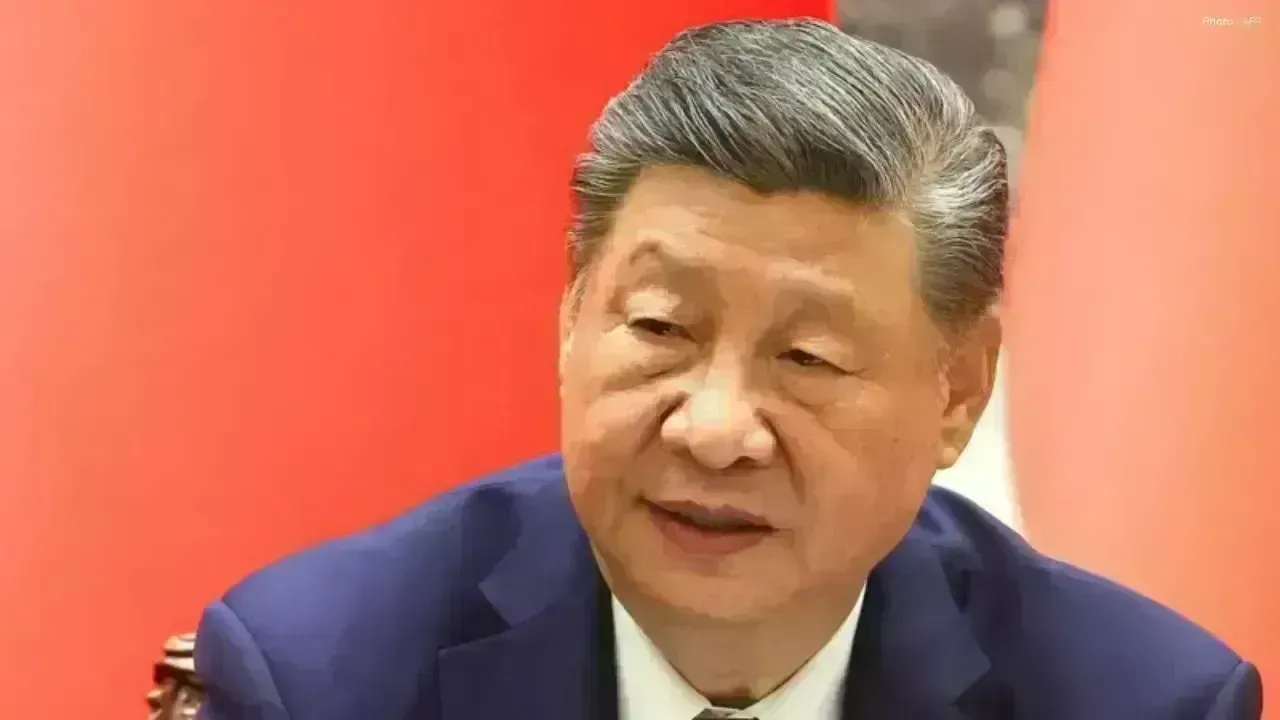
Chinese President Xi Jinping is set to make a rare visit to North Korea, a move that has immediately attracted international attention and raised questions about the future direction of regional diplomacy in East Asia. The planned trip comes at a time when geopolitical competition is intensifying, security concerns remain high, and countries across the region are closely watching shifts in alliances and strategic partnerships.
The visit is significant because meetings between the leaders of China and North Korea do not happen frequently. Whenever such high-level engagement takes place, it is viewed as an important signal about political priorities, economic cooperation, and security coordination. The upcoming journey by the Chinese leader is expected to reinforce ties between Beijing and Pyongyang while also sending a message to neighboring countries and global powers.
Relations between the two nations have a long history. China remains North Korea's most important economic and diplomatic partner. Over the years, Beijing has provided political support and maintained economic links despite international sanctions imposed on the Korean state over its nuclear and missile programs. While the relationship has experienced periods of strain, both governments have continued to view each other as important strategic partners.
The timing of the visit is particularly noteworthy. East Asia has witnessed growing military activity, increased competition among major powers, and continuing concerns about stability on the Korean Peninsula. Against this backdrop, direct discussions between the two leaderships are likely to focus on security issues, economic cooperation, and broader regional developments.
For North Korea, hosting the Chinese president represents an opportunity to strengthen its international position. The country has faced economic challenges for years due to sanctions, limited trade opportunities, and other external pressures. Stronger engagement with its largest trading partner could provide diplomatic support and potentially open new avenues for cooperation.
For Beijing, the trip offers a chance to reinforce its influence in a strategically important neighboring state. Maintaining stability along its border remains a key priority for Chinese policymakers. A stable relationship with Pyongyang helps reduce uncertainty and allows China to remain an important player in discussions involving the Korean Peninsula.
The planned meeting is also likely to be watched closely in Washington, Seoul, and Tokyo. Governments in these capitals have been monitoring developments involving North Korea's military activities and regional security issues. Any sign of closer coordination between Beijing and Pyongyang could influence diplomatic calculations throughout the region.
Economic matters may also feature prominently in discussions. Although international restrictions remain in place, both countries have sought ways to maintain trade and cooperation within existing frameworks. Improved economic engagement could help support development projects and strengthen commercial ties between the neighboring states.
Beyond bilateral relations, the visit highlights the changing nature of international politics. Countries are increasingly seeking stronger partnerships to navigate a world marked by strategic competition and economic uncertainty. High-level diplomatic exchanges often serve as an indication of how governments intend to respond to evolving global challenges.
Supporters of stronger China–North Korea relations argue that regular dialogue helps reduce misunderstandings and encourages stability. They believe engagement between neighboring countries can create opportunities for cooperation and lower the risk of conflict. Critics, however, may view closer ties with concern, particularly if they believe such cooperation could affect efforts aimed at addressing security issues on the Korean Peninsula.
The broader impact of the visit will depend on the outcomes of discussions between the two leaders. Agreements on economic cooperation, political coordination, or regional security could shape developments in East Asia for years to come. Even without major announcements, the symbolism of the trip itself carries considerable diplomatic weight.
Xi Jinping’s planned visit to North Korea represents more than a routine diplomatic event. It reflects the importance both governments place on their relationship during a period of significant geopolitical change. As regional powers continue to adapt to shifting political realities, the meeting is expected to influence conversations about security, economic cooperation, and strategic balance across East Asia.
The visit serves as a reminder that diplomacy remains one of the most powerful tools available to nations seeking to protect their interests and strengthen regional stability. Whether the trip leads to major policy changes or simply reinforces existing ties, it is likely to remain an important moment in the evolving relationship between China and North Korea.









Achieve Radiant Skin with This Simple Rice Flour Treatment
Transform your skincare routine! Discover how a rice flour mix can restore your skin's glow without

Meta Unveils Subscription Plans for Instagram, Facebook, and WhatsApp
Meta introduces new subscription plans for users of Instagram, Facebook, and WhatsApp, featuring enh

Suvarna Joy on Education Leadership, Resilience, and Building Purpose Through Adversity in the UAE
Suvarna Joy shares her journey of education leadership, motherhood, faith, and resilience within the

Anticipated Dates for UAE Eid Al Adha 2026 Unveiled by Astronomical Experts
Experts predict Eid Al Adha 2026 in the UAE to start on May 27, prompting early holiday planning amo

DAE Achieves Remarkable Growth in Q1 2026 With Record Revenue
Dubai Aerospace Enterprise announces impressive financial results for Q1 2026, reflecting a surge in

Price Increase for Sony PS5 in Southeast Asia Effective May 1
Sony announces a price increase for the PS5 across Southeast Asia starting May 1, 2026, impacting ga




