Post by : Saif Nasser
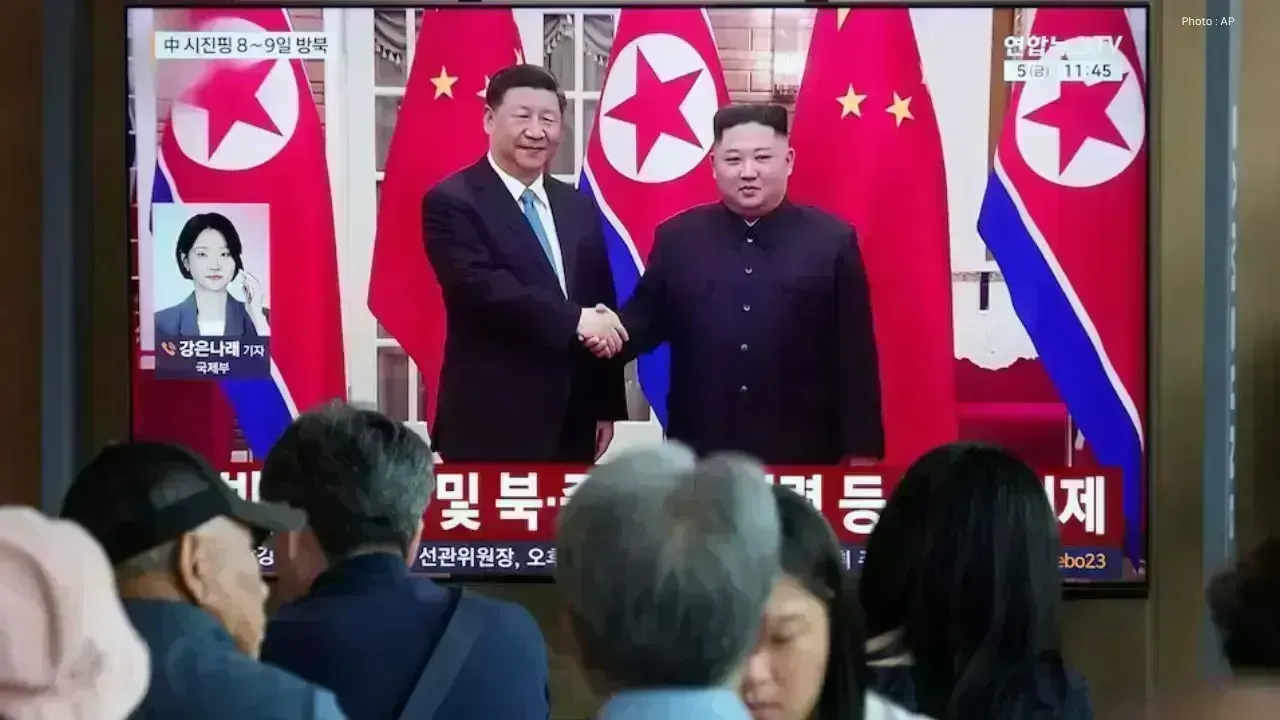
Chinese President Xi Jinping is set to visit North Korea for the first time in nearly seven years. The trip comes at a time when political and security developments across East Asia are attracting global attention. The planned meeting with North Korean leader Kim Jong Un is being closely watched by governments, analysts, and international organizations because of its potential impact on regional stability and future diplomatic efforts.
The upcoming visit is more than a symbolic event. It reflects efforts by Beijing to strengthen its relationship with its long-time neighbor during a period of changing geopolitical conditions. The announcement follows several major diplomatic engagements involving China and other global powers, making the journey an important development in international affairs.
The Chinese leader last traveled to Pyongyang in 2019. Since then, the region has experienced major changes, including the COVID-19 pandemic, growing competition among world powers, and new security challenges. The long gap between visits makes this trip especially important.
Both governments confirmed that the visit will take place over two days. Officials have released few details about the agenda, but experts believe discussions will focus on political cooperation, economic relations, and regional security matters.
Relations between Beijing and Pyongyang have historically been strong. China remains North Korea’s largest trading partner and most influential ally. However, in recent years, the Korean state has also expanded cooperation with Russia, creating a more complex diplomatic environment. Analysts believe the visit provides an opportunity for Beijing to reinforce its influence and maintain close communication with the government in Pyongyang.
The announcement came shortly after North Korea revealed a new facility believed to be linked to uranium enrichment. South Korean officials assessed the site as a uranium-processing plant, while Kim Jong Un publicly called for a rapid expansion of the country's nuclear capabilities. These developments have raised concerns among neighboring countries and the wider international community.
Nuclear weapons remain one of the most sensitive issues on the Korean Peninsula. For years, negotiations aimed at limiting the country's atomic program have struggled to achieve lasting progress. Diplomatic talks involving the United States, South Korea, China, and other regional players have often faced setbacks.
The timing of the visit suggests that discussions between the two leaders could include security matters. While no official agenda has been released, many observers believe the nuclear issue will remain a central topic during their meetings.
For Beijing, stability on the Korean Peninsula remains a major priority. Any serious conflict in the region could affect trade, economic growth, and national security. Maintaining strong communication with Pyongyang allows China to protect its interests and preserve influence in a strategically important area.
China has often positioned itself as a key diplomatic actor in regional affairs. Earlier this year, South Korean officials discussed the possibility of Beijing playing a greater role in easing tensions and encouraging dialogue among neighboring countries.
The visit also highlights China’s broader foreign policy goals. Beijing has sought to present itself as an important force in international diplomacy, engaging with major global leaders while promoting stability and cooperation. Strengthening ties with its neighboring ally fits within that wider strategy.
For Pyongyang, hosting the Chinese president carries significant political value. It demonstrates that the country continues to maintain support from one of the world's largest economies despite international sanctions and diplomatic pressure.
The meeting may also provide opportunities for deeper economic cooperation. Although sanctions continue to limit many forms of trade, closer engagement with China could help the isolated nation strengthen certain economic activities and improve access to essential goods and services.
At the same time, the visit allows Kim Jong Un to showcase his country's international relationships. Analysts suggest that maintaining strong ties with both China and Russia gives the leadership greater diplomatic flexibility when dealing with other nations.
The planned discussions are likely to attract attention from governments across Asia and beyond. South Korea, Japan, the United States, and other countries will closely monitor any signals emerging from the meetings.
If the visit results in stronger cooperation between Beijing and Pyongyang, it could influence future diplomatic negotiations involving security issues, sanctions, and regional stability. It may also shape discussions about the future of the Korean Peninsula and the balance of power in East Asia.
While major policy announcements are not guaranteed, the symbolism of the visit alone carries weight. High-level meetings often serve as opportunities to strengthen trust, coordinate positions, and prepare for future diplomatic initiatives.
Xi Jinping’s upcoming trip to North Korea marks an important moment in regional diplomacy. Taking place against a backdrop of nuclear concerns, shifting alliances, and growing geopolitical competition, the visit highlights the continuing importance of relations between Beijing and Pyongyang.
The meetings between the two leaders could influence future discussions on security, economic cooperation, and diplomatic engagement across East Asia. Whether concrete agreements emerge or not, the visit sends a clear message that both countries remain committed to maintaining close ties during a period of significant regional change. As the international community watches closely, the outcomes of this trip may shape diplomatic developments in the months ahead.









Achieve Radiant Skin with This Simple Rice Flour Treatment
Transform your skincare routine! Discover how a rice flour mix can restore your skin's glow without

Meta Unveils Subscription Plans for Instagram, Facebook, and WhatsApp
Meta introduces new subscription plans for users of Instagram, Facebook, and WhatsApp, featuring enh

Suvarna Joy on Education Leadership, Resilience, and Building Purpose Through Adversity in the UAE
Suvarna Joy shares her journey of education leadership, motherhood, faith, and resilience within the

Anticipated Dates for UAE Eid Al Adha 2026 Unveiled by Astronomical Experts
Experts predict Eid Al Adha 2026 in the UAE to start on May 27, prompting early holiday planning amo

DAE Achieves Remarkable Growth in Q1 2026 With Record Revenue
Dubai Aerospace Enterprise announces impressive financial results for Q1 2026, reflecting a surge in

Price Increase for Sony PS5 in Southeast Asia Effective May 1
Sony announces a price increase for the PS5 across Southeast Asia starting May 1, 2026, impacting ga




