Post by : Priya
Photo:Reuters
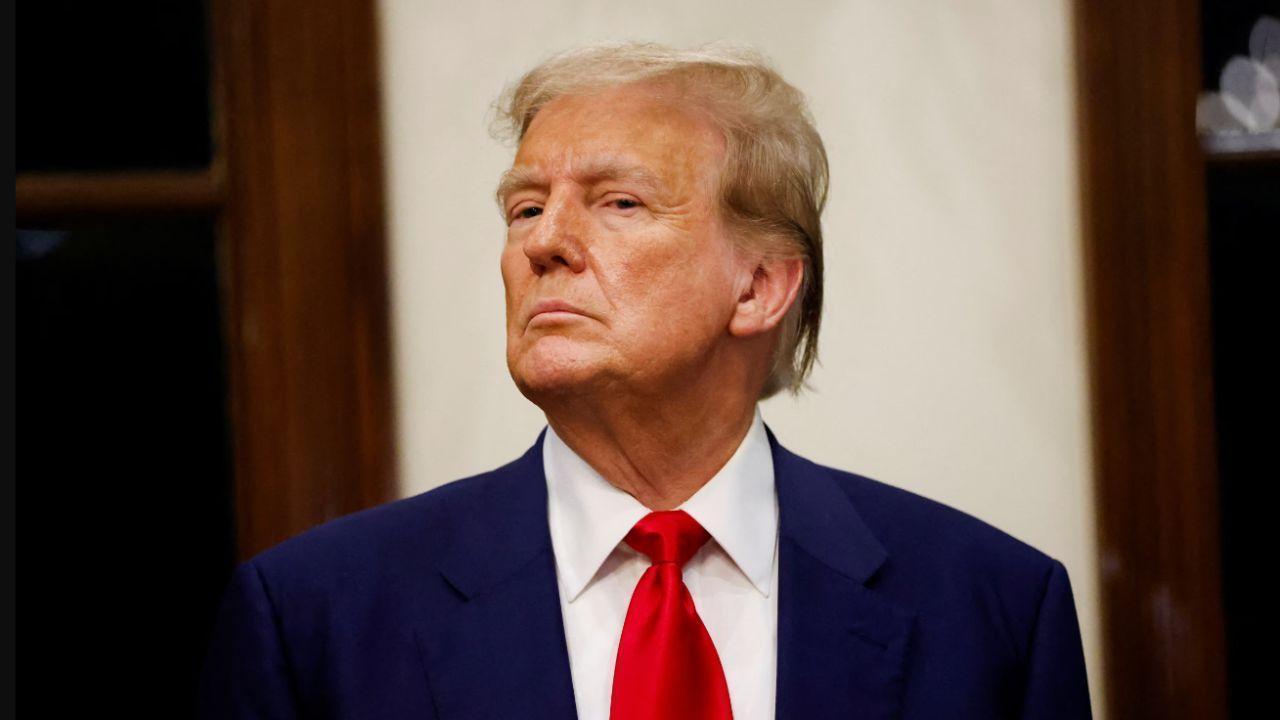
In the shadow of a peaceful morning on September 15, 2024, a startling threat to a former U.S. President unfolded. At his golf course in West Palm Beach, Florida, former President Donald Trump came under threat from a man later identified as Ryan Wesley Routh. Armed with a rifle and hiding near the edge of the property, Routh was quickly stopped by the Secret Service before any harm was done. However, this incident marked a rare and serious attempt on the life of a former U.S. leader and drew sharp national attention.
Who Is Ryan Wesley Routh?
Ryan Wesley Routh, now 59, was born in February 1966. He spent his early years in Hawaii before moving to North Carolina, where he lived most of his life. He worked in construction and completed his General Educational Development (GED) certificate. He also attended college for two years but did not complete a degree.
Routh has had several run-ins with the law over the years. His past includes charges related to stolen goods and illegal possession of firearms. Friends and acquaintances described him as quiet and intelligent, but also unpredictable. His political views appeared to shift over time. According to investigators, he once supported Trump but later became deeply disillusioned.
He expressed his anger in long, disturbing posts on obscure websites and online forums. In some of these writings, he asked foreign governments to take violent action against Trump. He even claimed to have contacted Iran in an effort to get assistance in carrying out an attack. His writings show a man who had moved from frustration to obsession—and then to action.
The Day of the Attempt
On the morning of September 15, 2024, Donald Trump was at his West Palm Beach golf course, a place he often visits when not campaigning. At the same time, Secret Service agents stationed around the perimeter noticed suspicious movement in the bushes near the club's fence. One agent spotted a man holding a long rifle.
That man was Ryan Routh. He had positioned himself roughly 300 to 500 yards away from the main golf course, behind thick greenery near the fencing. He was aiming the rifle in the direction of Trump, who was reportedly visible on the course.
One of the Secret Service agents fired a warning shot toward Routh. He did not return fire. Instead, he dropped the weapon and ran. Agents chased and arrested him nearby. Fortunately, no one was injured.
The rifle recovered at the scene was an SKS-style semiautomatic weapon. Its serial number had been removed, making it harder to trace.
Investigators Uncover a Larger Plot
Following Routh’s arrest, the FBI and other law enforcement agencies searched his home, car, and personal belongings. What they found painted a picture of a carefully planned attack.
Investigators recovered:
Bomb-making materials, including chemicals and wires
A remote-controlled detonator
Maps of Trump’s movements and golf club layout
A list of weapons Routh had attempted to acquire—including a rocket-propelled grenade (RPG) and a Stinger missile
Handwritten notes about escape plans and possible allies
Federal officials believe Routh had been planning the attack for several months. He had visited the golf club multiple times. On some occasions, he allegedly carried concealed weapons but did not act.
According to prosecutors, Routh also contacted individuals online in an attempt to form a small militant group. He posted under various names on messaging platforms, looking for others who shared his views. Fortunately, none of these efforts appeared to gain support.
The Charges: Federal and State
Ryan Routh faces both federal and state charges, which could lead to life in prison or even the death penalty.
At the federal level, he has been charged with:
Attempted assassination of a former President and presidential candidate
Assault on a federal officer
Possession of a firearm with an obliterated serial number
Possession of a firearm in furtherance of a violent crime
Illegal transportation of explosives
At the state level in Florida, Routh is charged with:
Attempted first-degree murder
Terrorism under Florida law
Possession of destructive devices
He has pleaded not guilty to all charges.
Courtroom Drama: Routh Chooses to Represent Himself
In a surprising legal twist, Routh told the judge in July 2025 that he wanted to represent himself during trial. He said he did not trust his court-appointed lawyers, claiming they were not working in his best interest.
U.S. District Judge Aileen Cannon reviewed his request and, after determining that Routh was mentally competent and understood the risks, granted it. She did, however, order that his public defenders stay on as standby counsel in case he changes his mind.
This decision raised concerns among legal experts. Many say that defending oneself in a case involving such serious charges is unwise. But under U.S. law, defendants have the right to represent themselves if found mentally fit.
Trial Set for September 2025
Routh’s trial is scheduled to begin on September 8, 2025 in a federal courtroom in Florida. Due to the seriousness of the charges and the high-profile nature of the case, security will be extremely tight.
The prosecution is expected to present strong evidence—including surveillance footage, the recovered weapon, forensic reports, and witness testimony from Secret Service agents.
Routh, acting as his own attorney, will have the chance to cross-examine witnesses and present a defense. However, legal experts warn that his lack of training could work against him.
Public Reaction and Political Impact
News of the attempted assassination spread quickly across the country and the world. Supporters of Donald Trump were alarmed but relieved that he was unharmed. Many Republican lawmakers condemned the attempt and called for tougher laws to protect political leaders.
Democrats also condemned the attack, with many reminding the public that political violence is never acceptable, regardless of ideology.
The case also sparked renewed debate about security for public figures. Even though Trump is no longer president, his prominence in American politics makes him a target. Experts say the incident shows why the Secret Service must remain vigilant at all times.
Mental Health and Radicalization
As the case unfolded, questions arose about Routh’s mental health. While no official diagnosis has been released, some court filings suggest that he may suffer from paranoia or delusions.
His online writings often included conspiracy theories and violent fantasies. Experts say this pattern is common among lone-wolf attackers, who isolate themselves and adopt extreme beliefs through online forums.
This case highlights the dangers of digital radicalization and the difficulty of identifying threats before they act. Law enforcement agencies continue to struggle with monitoring online spaces without infringing on free speech.







DAE Achieves Remarkable Growth in Q1 2026 With Record Revenue
Dubai Aerospace Enterprise announces impressive financial results for Q1 2026, reflecting a surge in

Price Increase for Sony PS5 in Southeast Asia Effective May 1
Sony announces a price increase for the PS5 across Southeast Asia starting May 1, 2026, impacting ga

Potential ‘Super El Niño’ in 2026: Understanding the Climate Risks
Could a Super El Niño emerge in 2026? Discover its implications and potential global climate impacts

Global Energy Crisis Intensifies: Markets React to Oil Supply Challenges
Markets are on edge as oil disruptions escalate, influencing prices and economic stability. Explore

Must-See Tourist Spots in London You Can't Overlook
Explore London's essential attractions, from royal landmarks to vibrant markets, ensuring an unforge

Ultimate Guide to Snagging Cheap Flights in 2026
Unlock the secrets to booking affordable flights in 2026 with insightful tips and strategies tailore




