Post by : Shweta
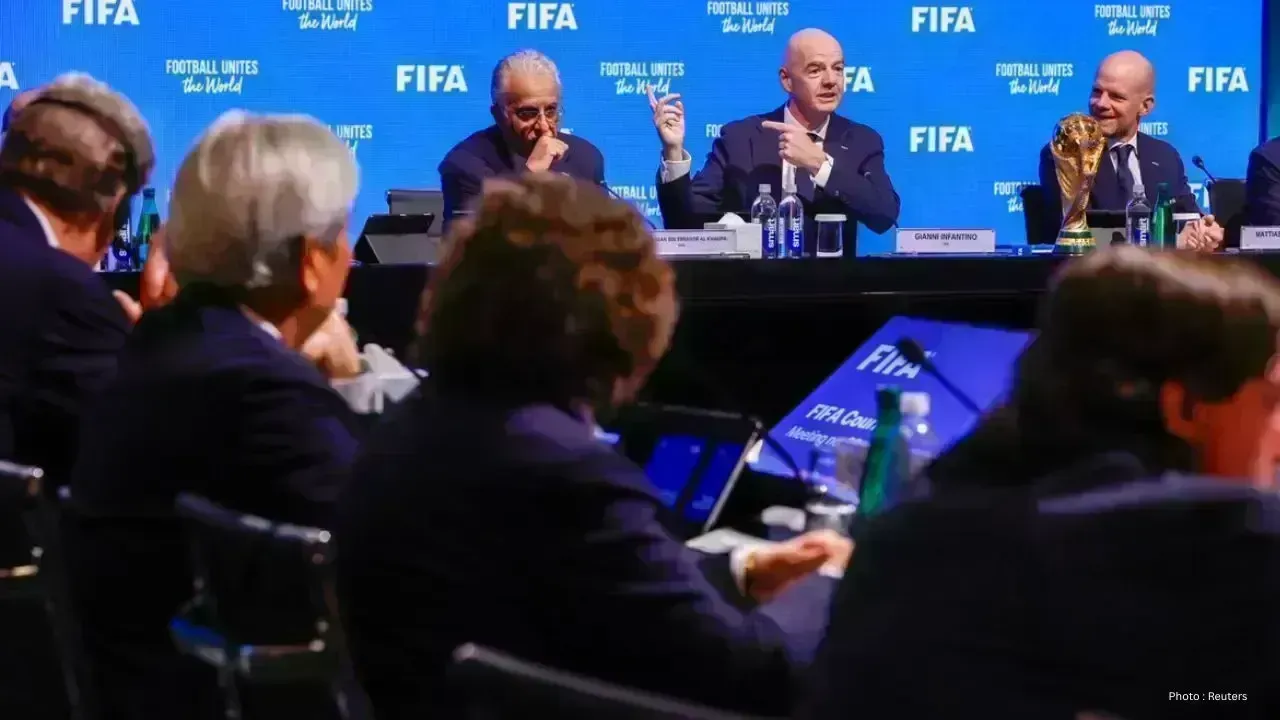
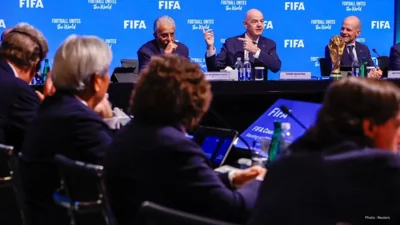
The FIFA Congress in Vancouver has revealed increasing discord within the international soccer community just weeks before Canada gears up to co-host the 2026 FIFA World Cup. The event gathered football officials globally, but was quickly overtaken by political disagreements, governance issues, and uncertainties regarding vital preparations for the monumental tournament.
Held at the Vancouver Convention Centre, the congress saw delegates from FIFA’s 211 member associations come together. Senior officials, federation representatives, sponsors, and organizers convened as anticipation builds for the first World Cup to be jointly hosted by Canada, the United States, and Mexico.
Despite FIFA's portrayal of the congress as a celebration of global cooperation, significant tensions reportedly materialized concerning governance reforms, tournament expansion, human rights issues, and financial disagreements. Many officials expressed worries that political strife within the global landscape might disrupt preparations for what is expected to be the largest World Cup ever.
A primary topic of discussion revolved around concerns over FIFA’s increasing commercial power and its decision-making processes under President Gianni Infantino. Critics from various national federations voiced apprehensions that FIFA's leadership has become overly centralized, limiting influence for smaller associations.
Debate around human rights also took center stage, as multiple advocacy groups sought to hold FIFA accountable regarding labor protections, migrant worker rights, anti-discrimination practices, and broader social issues connected to the World Cup. Activists urged FIFA to enhance transparency and accountability prior to the tournament.
Political divisions among member nations intensified the atmosphere at the congress. International sports organizations, including FIFA, face challenges in maintaining neutrality amid escalating global tensions. Officials privately recognized that geopolitical divides increasingly intertwine with major sporting events.
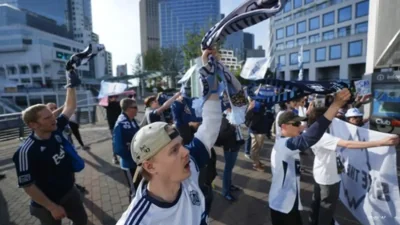
This congressional meeting occurred against a backdrop of uncertainty surrounding the Vancouver Whitecaps, as reports indicated a relocation proposal to move the team to Las Vegas. Protests erupted outside the convention, with supporters staging a “Save the ’Caps” rally, urging leaders to safeguard the future of professional soccer in Vancouver ahead of the World Cup.
British Columbia Premier David Eby reiterated the province's commitment to keeping the Whitecaps in Vancouver, emphasizing the need for strong soccer infrastructure as the city approaches the World Cup. The potential relocation further complicated an already tense congress atmosphere.
Topics such as security, infrastructure, and financial planning for the 2026 tournament were also high on the agenda. With an expansion to 48 teams, logistical hurdles related to transportation, stadium operations, and crowd management loom large for the organizers.
Some officials voiced concerns about the rising financial pressure associated with hosting significant sporting events, arguing that FIFA's control over sponsorship and revenue rights places an undue burden on host cities.
Regardless of these growing disagreements, FIFA leadership insists that preparations for the World Cup are on track, with Gianni Infantino praising the collaboration of the three host nations and promoting the tournament as an unprecedented chance to advance football in North America. FIFA officials also highlighted anticipated economic gains, tourism boosts, and global visibility tied to the event.
Canada is set to host matches in Vancouver and Toronto, while the United States will stage the majority of games, including the final. Mexico will also see matches across several venues, marking a historic moment as three nations unite to organize a FIFA World Cup for the first time.
However, analysts indicate that the visible divisions from Vancouver reflect a broader trend of international football becoming inextricably linked with politics, business, social issues, and power dynamics. What once was merely a sporting event now encompasses significant diplomatic, economic, and cultural implications.
As the lead-up to the 2026 World Cup continues, FIFA faces mounting pressure to address internal disagreements while ensuring that the tournament's focus remains on the sport rather than controversies. The Vancouver congress highlighted both the excitement of the upcoming World Cup and the challenges that lie ahead.


DAE Achieves Remarkable Growth in Q1 2026 With Record Revenue
Dubai Aerospace Enterprise announces impressive financial results for Q1 2026, reflecting a surge in

Price Increase for Sony PS5 in Southeast Asia Effective May 1
Sony announces a price increase for the PS5 across Southeast Asia starting May 1, 2026, impacting ga

Potential ‘Super El Niño’ in 2026: Understanding the Climate Risks
Could a Super El Niño emerge in 2026? Discover its implications and potential global climate impacts

Global Energy Crisis Intensifies: Markets React to Oil Supply Challenges
Markets are on edge as oil disruptions escalate, influencing prices and economic stability. Explore

Must-See Tourist Spots in London You Can't Overlook
Explore London's essential attractions, from royal landmarks to vibrant markets, ensuring an unforge

Ultimate Guide to Snagging Cheap Flights in 2026
Unlock the secrets to booking affordable flights in 2026 with insightful tips and strategies tailore




