Post by : Saif Nasser
In many Indian households, metal glasses are favored over plastic or stainless steel options. Specifically, copper, silver, and brass glasses are prevalent. Users often believe that water stored in these metals provides health advantages. But which one should you use regularly? To answer this, we need to weigh each metal's benefits alongside potential risks.
Copper glasses hold a prominent place in Indian culture and Ayurvedic traditions. When water is kept in a copper glass for several hours, it absorbs tiny amounts of copper. This occurs through a phenomenon known as the oligodynamic effect, which can eliminate harmful bacteria. Furthermore, copper is reputed to aid digestion, bolster immunity, and facilitate blood cell production. However, excessive copper doesn't bode well for health. Overexposing water to copper or consuming from it too frequently could lead to nausea or digestive upset. Experts recommend limiting copper-infused water intake to once or twice daily for safety.
Silver glasses have been a staple for centuries, particularly among aristocratic and traditional families. Known for its natural antibacterial qualities, silver enhances drinking water safety by inhibiting microbial growth. It remains stable and less reactive with water, thereby minimizing the risk of releasing harmful elements. Health professionals assert that silver may promote better immunity, especially in children and the elderly. Despite these benefits, the high cost of silver glasses can be a barrier for many. Nevertheless, among the three metals, silver is deemed the safest for routine use due to its lack of adverse effects with regular consumption.
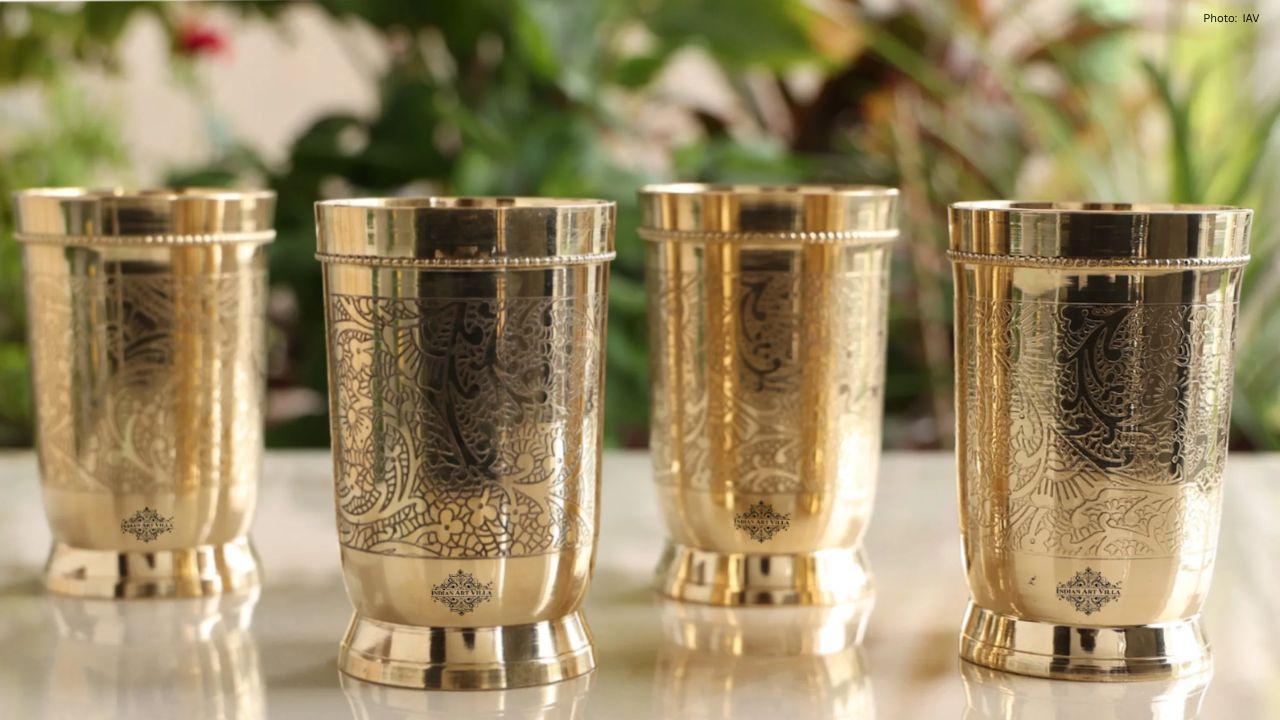
Brass glasses, composed of a blend of copper and zinc, appear attractive and robust. However, brass is prone to rapid reactions with moisture and air. If not maintained properly, it can develop a greenish layer known as patina, which isn't safe for consumption. Some traditional beliefs advocate that brass water can enhance stamina and vitality; however, scientific insights caution against regular use due to the toxicity risks associated with improper maintenance. Health experts typically advise against drinking from brass unless it is properly treated and lined.
So, which metal reigns supreme?
When evaluating all three, silver stands out as the safest option for daily consumption, thanks to its germ-killing properties and absence of harmful reactions. Copper, although beneficial, should be used cautiously, limited to one or two servings each day. Brass ranks lowest in recommendations due to potential health hazards if maintenance is lacking.
In essence, the healthiest choice hinges on proper usage and cleanliness. No metal guarantees a miracle cure. A balanced diet, adequate hydration, regular exercise, and sufficient rest remain essential for overall health.










DAE Achieves Remarkable Growth in Q1 2026 With Record Revenue
Dubai Aerospace Enterprise announces impressive financial results for Q1 2026, reflecting a surge in

Price Increase for Sony PS5 in Southeast Asia Effective May 1
Sony announces a price increase for the PS5 across Southeast Asia starting May 1, 2026, impacting ga

Potential ‘Super El Niño’ in 2026: Understanding the Climate Risks
Could a Super El Niño emerge in 2026? Discover its implications and potential global climate impacts

Global Energy Crisis Intensifies: Markets React to Oil Supply Challenges
Markets are on edge as oil disruptions escalate, influencing prices and economic stability. Explore

Must-See Tourist Spots in London You Can't Overlook
Explore London's essential attractions, from royal landmarks to vibrant markets, ensuring an unforge

Ultimate Guide to Snagging Cheap Flights in 2026
Unlock the secrets to booking affordable flights in 2026 with insightful tips and strategies tailore




