Post by : Saif Nasser
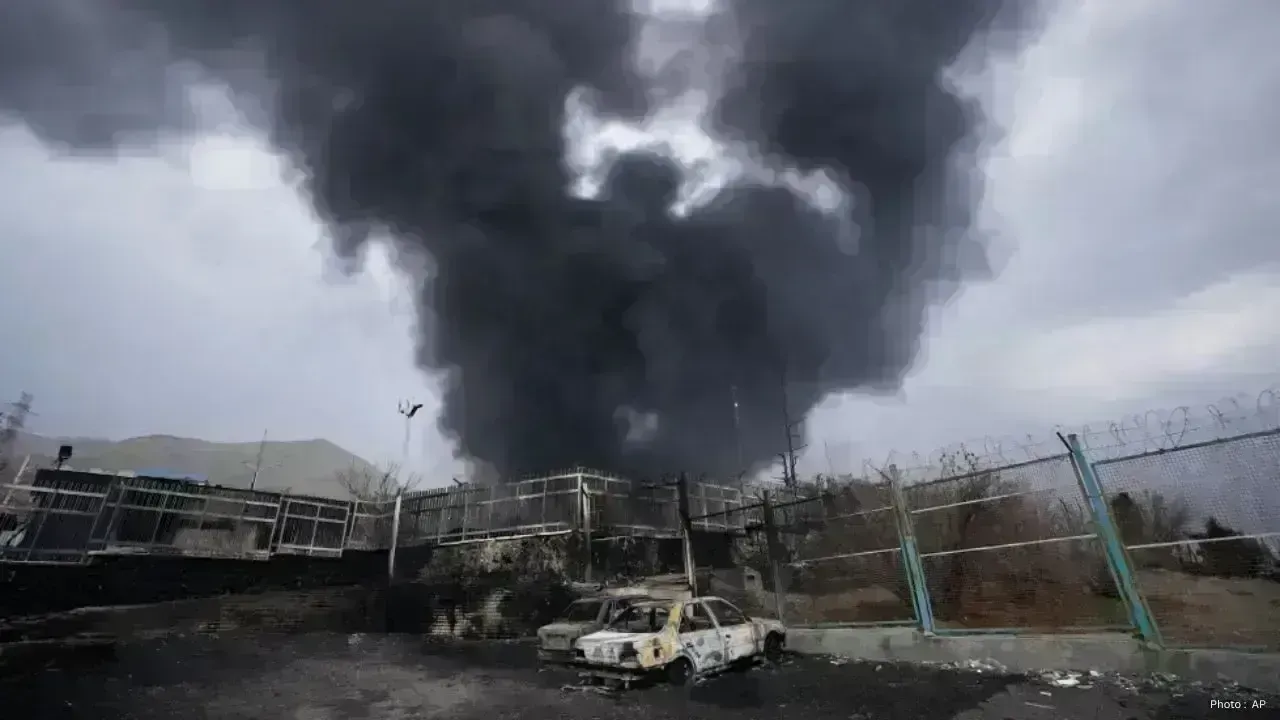
Iran’s currency, the rial, is facing continued pressure even as hopes for a ceasefire in the conflict with the United States raise expectations of stability. This situation shows that while political developments can bring temporary relief, deeper economic problems often take longer to resolve.
In times of conflict, economies usually suffer. Trade slows down, investments decrease, and uncertainty rises. For Iran, these challenges have had a direct impact on the value of its currency. When a country’s currency weakens, it affects everyday life by making goods more expensive and reducing purchasing power.
The idea of a ceasefire often brings hope that conditions will improve. People expect that reduced tensions will lead to better trade opportunities and more stable markets. However, in Iran’s case, the impact on the currency shows that recovery is not immediate.
One of the key reasons for this continued pressure is long-term economic strain. Sanctions, limited access to global markets, and internal economic challenges have weakened the economy over time. Even if tensions reduce, these issues remain and continue to affect the financial system.
Inflation is another major concern. As the value of the rial drops, the cost of imported goods increases. This can lead to higher prices for everyday items, making life more difficult for ordinary citizens. Managing inflation becomes a major challenge for the government.
The situation also highlights how markets react to uncertainty. Even with ceasefire talks, there may still be doubts about how long peace will last. Investors and traders often wait for clear and lasting stability before making major decisions. This delay can keep the currency under pressure.
At the same time, the global environment also plays a role. Oil prices, trade relations, and regional stability all influence Iran’s economy. Changes in any of these areas can affect how the currency performs.
For the people of Iran, the impact is direct and immediate. A weaker currency can reduce savings, increase living costs, and create uncertainty about the future. This makes economic stability just as important as political stability.
The government may take steps to support the currency, such as controlling exchange rates or adjusting economic policies. However, these measures often provide only temporary relief unless deeper issues are addressed.
The current situation shows that peace alone does not solve all problems. While a ceasefire can reduce conflict, rebuilding an economy requires time, planning, and strong policies. It also requires confidence from both local citizens and the international community.
Iran’s experience highlights a broader lesson. Economic recovery after conflict is a slow process. Stability must be built step by step, and both political and economic solutions must work together.
As the situation develops, attention will remain on how Iran manages its economy and whether improved political conditions can lead to lasting financial stability.





DAE Achieves Remarkable Growth in Q1 2026 With Record Revenue
Dubai Aerospace Enterprise announces impressive financial results for Q1 2026, reflecting a surge in

Price Increase for Sony PS5 in Southeast Asia Effective May 1
Sony announces a price increase for the PS5 across Southeast Asia starting May 1, 2026, impacting ga

Potential ‘Super El Niño’ in 2026: Understanding the Climate Risks
Could a Super El Niño emerge in 2026? Discover its implications and potential global climate impacts

Global Energy Crisis Intensifies: Markets React to Oil Supply Challenges
Markets are on edge as oil disruptions escalate, influencing prices and economic stability. Explore

Must-See Tourist Spots in London You Can't Overlook
Explore London's essential attractions, from royal landmarks to vibrant markets, ensuring an unforge

Ultimate Guide to Snagging Cheap Flights in 2026
Unlock the secrets to booking affordable flights in 2026 with insightful tips and strategies tailore




