Post by : Shakul
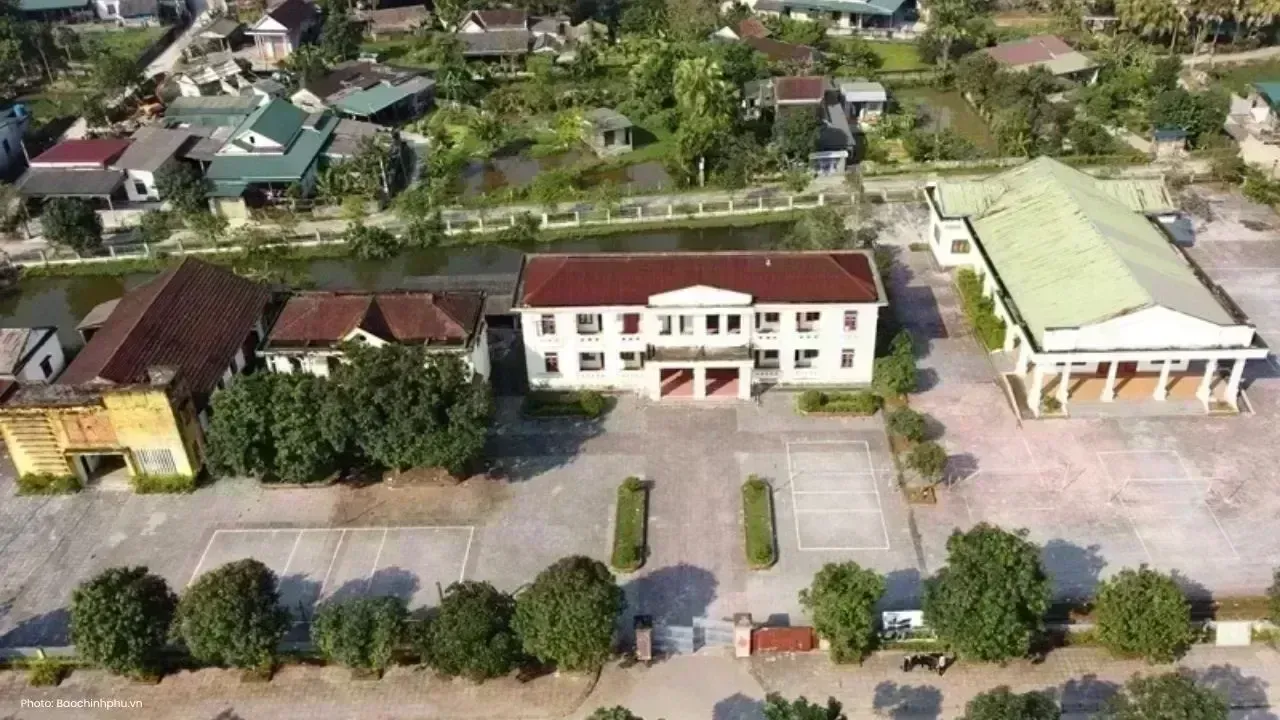
The Ministry of Finance in Vietnam is currently drafting a resolution aimed at establishing precise guidelines and policies for the management of surplus housing and land throughout the nation. This initiative coincides with Vietnam’s efforts to streamline its administrative framework, leading to an increased amount of unused public properties.
The proposed resolution's primary objective is to enhance the management and utilization of surplus land and housing rapidly. Officials argue that these underused public assets must be swiftly redeployed to maximize their effectiveness, thereby fostering growth at local and national scales.
It outlines comprehensive strategies regarding the management of publicly-owned properties that are no longer fulfilling residential needs. Such properties might be assigned to local housing management authorities, which are tasked with their appropriate execution and development in accordance with legal standards.
Additionally, the policy addresses surplus assets resulting from the restructuring of administrative sectors. In these instances, authorities would be empowered to allocate these properties to local governments for oversight with minimal bureaucratic delays.
In scenarios where land is redeveloped for community purposes such as parks or recreational zones, existing buildings that do not meet requirements may be dismantled, irrespective of their current usability or age. This step aims to ensure land is optimized for the benefit of communities.
The draft also specifies that when surplus land is reassigned for governmental or public-related functions, necessary planning changes will proceed following official announcements, allowing for quicker project rollouts without bureaucratic hindrances.
When land is allocated or leased to individuals or entities, they will be responsible for compensating the State for the remaining value of any structures on the premises. This approach secures state interests while facilitating effective land use.
Furthermore, the policy tackles situations where buildings exist on privately-owned lands. If the landowner chooses to reclaim their assets, they can do so by compensating for their remaining value. Should they decline, the managing entity retains the option to dismantle these structures and restore the land.
Ultimately, this draft is set to foster a transparent and efficient framework for managing surplus housing and land in Vietnam, thus minimizing wastage, enhancing asset utility, and bolstering both economic and social progress amid ongoing administrative reform initiatives.









DAE Achieves Remarkable Growth in Q1 2026 With Record Revenue
Dubai Aerospace Enterprise announces impressive financial results for Q1 2026, reflecting a surge in

Price Increase for Sony PS5 in Southeast Asia Effective May 1
Sony announces a price increase for the PS5 across Southeast Asia starting May 1, 2026, impacting ga

Potential ‘Super El Niño’ in 2026: Understanding the Climate Risks
Could a Super El Niño emerge in 2026? Discover its implications and potential global climate impacts

Global Energy Crisis Intensifies: Markets React to Oil Supply Challenges
Markets are on edge as oil disruptions escalate, influencing prices and economic stability. Explore

Must-See Tourist Spots in London You Can't Overlook
Explore London's essential attractions, from royal landmarks to vibrant markets, ensuring an unforge

Ultimate Guide to Snagging Cheap Flights in 2026
Unlock the secrets to booking affordable flights in 2026 with insightful tips and strategies tailore




