Post by : Shweta
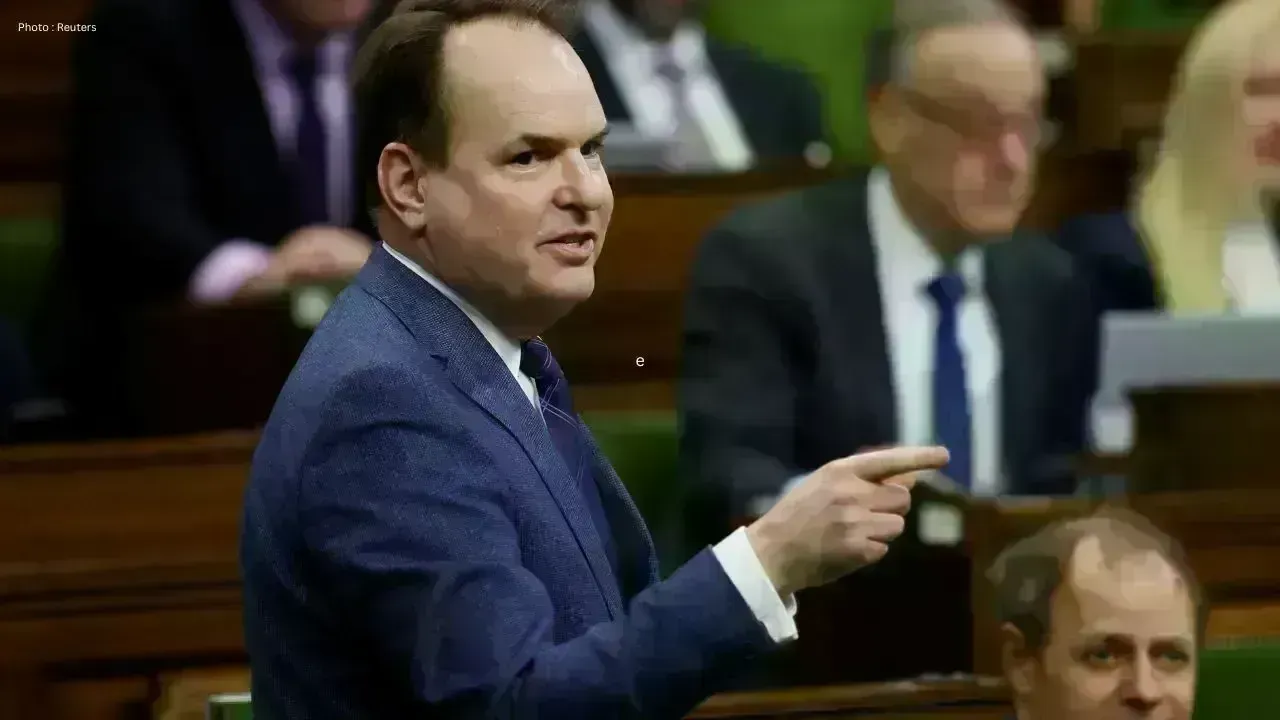
The Liberal government of Canada is encountering substantial backlash from opposition leaders and advocates for transparency after the decision to hold several parliamentary committee meetings in private. In light of mounting criticism, Liberal officials have committed to enhancing transparency and conducting more discussions in a public forum.
This controversy arose after a series of House of Commons committee sessions were conducted behind closed doors in recent legislative periods. Opposition members have accused the government of undermining public accountability by restricting the media and citizens' access to critical discussions. Critics point out that committees are vital for scrutinizing governmental conduct, examining legislation, and interrogating officials and ministers, making transparency foundational for a healthy democracy.
In Canada, parliamentary committees hold the responsibility for investigating government spending, proposed legislation, and national issues. While closed meetings are permissible under certain conditions, such as national security or legal matters, opposition parties claim that the Liberals have increasingly resorted to private sessions for convenience rather than necessity.
Members of the Conservative Party have vehemently criticized the administration, insisting that Canadians have the right to understand the decision-making processes within Parliament. Opposition members contend that the growing number of in-camera meetings erodes trust in public institutions and obstructs voters’ comprehension of how pressing issues are managed by elected representatives. Concerns have also been echoed by the New Democratic Party and Bloc Québécois regarding issues of accountability and transparency.
In defense of some closed meetings, the government justified that these sessions contained confidential details, legal advice, or procedural discussions unsuitable for public discourse. Representatives maintain that closed meetings have historically been part of political procedures across various administrations. Nevertheless, Liberal MPs have recognized public sentiment and affirmed their commitment to fostering greater transparency in the future.
Government House Leader Steven MacKinnon expressed that the Liberal Party endorses open discourse in Parliament and acknowledges Canadians' expectations for greater access to committee deliberations. He emphasized that a balance must be struck between transparency and the need to safeguard sensitive information during specific instances.
The significance of this issue further escalates as parliamentary committees are pivotal in uncovering major political controversies. Historically, these committees have probed matters like election interference, spending scandals, ethics inquiries, foreign relations, and safety issues. Analysts argue that ensuring public access to these sessions enhances trust in democratic frameworks.
Transparency advocates and parliamentary scholars are contributing their perspectives to the ongoing discourse. Some experts caution that an overreliance on closed-door meetings might dilute accountability and diminish parliamentary confidence. They assert that citizens should have the ability to witness their elected officials interrogate government representatives and discuss significant national dilemmas whenever feasible.
The Liberal government has now pledged to collaborate with committee members to keep more sessions public, barring specific privacy or security stipulations. However, opposition factions are still pressing for more explicit guidelines and robust safeguards against potential misuse of private meetings.
As Ottawa gears up for upcoming committee inquiries and political discussions, the conversation surrounding parliamentary transparency is anticipated to persist. Many analysts believe this matter will serve as a crucial benchmark to evaluate the Liberal government’s dedication to transparency and accountability in the months ahead.










DAE Achieves Remarkable Growth in Q1 2026 With Record Revenue
Dubai Aerospace Enterprise announces impressive financial results for Q1 2026, reflecting a surge in

Price Increase for Sony PS5 in Southeast Asia Effective May 1
Sony announces a price increase for the PS5 across Southeast Asia starting May 1, 2026, impacting ga

Potential ‘Super El Niño’ in 2026: Understanding the Climate Risks
Could a Super El Niño emerge in 2026? Discover its implications and potential global climate impacts

Global Energy Crisis Intensifies: Markets React to Oil Supply Challenges
Markets are on edge as oil disruptions escalate, influencing prices and economic stability. Explore

Must-See Tourist Spots in London You Can't Overlook
Explore London's essential attractions, from royal landmarks to vibrant markets, ensuring an unforge

Ultimate Guide to Snagging Cheap Flights in 2026
Unlock the secrets to booking affordable flights in 2026 with insightful tips and strategies tailore




