Post by : Saif Nasser
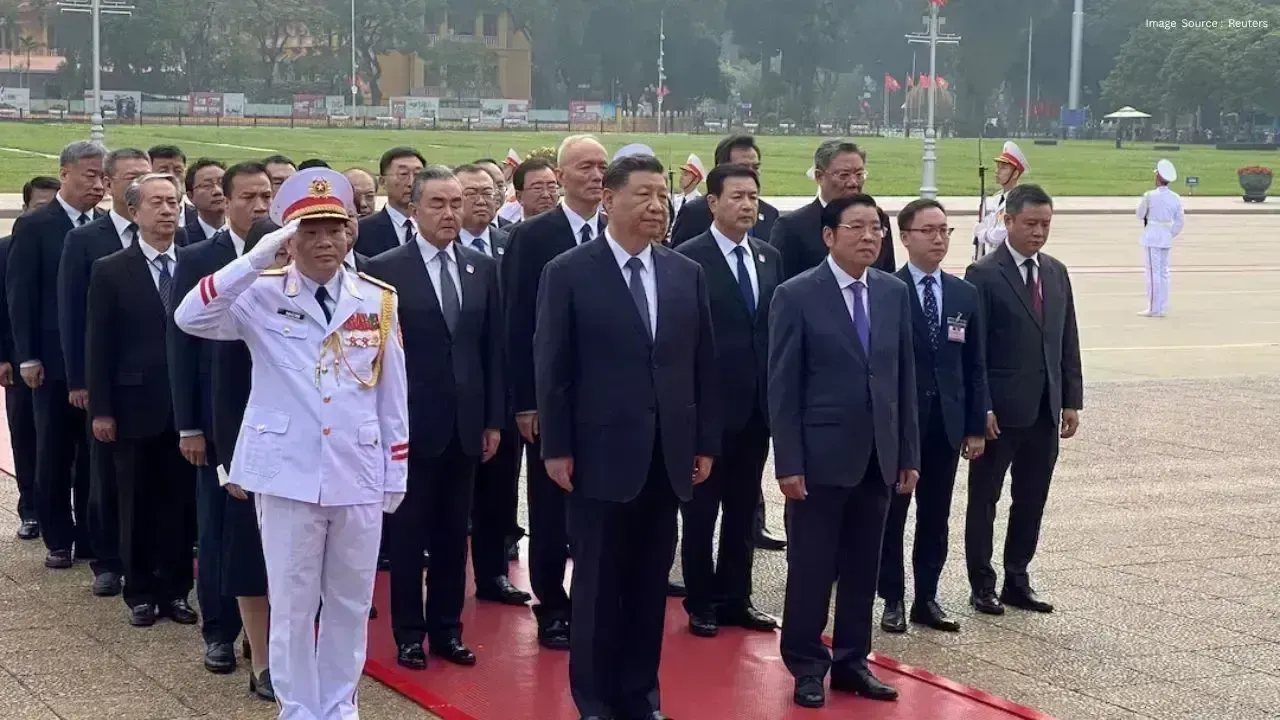
Vietnam is going through a major political and policy shift as it moves closer to adopting a governance model similar to China. This change is becoming more visible as the role and power of the police and security system continue to expand under the leadership of Tô Lâm.
Recent developments show that Vietnam is strengthening state control in several areas, including technology, data, and internal security. Experts say this shift reflects growing influence from China, especially in how the government manages information and public life.
One of the most important changes is the rising power of the police. The Ministry of Public Security is gaining more control over data systems, surveillance tools, and digital infrastructure. Plans include building nationwide systems that can identify individuals using cameras and artificial intelligence. This is similar to China’s advanced surveillance network, which allows the government to closely monitor public activity.
Vietnam is also working on new data rules that will give the state more authority over how information is stored and shared. Proposed systems include state-run data exchanges, which would allow the government to manage and use data for security and strategic purposes. In many Western countries, such systems are usually run by private companies, but Vietnam is choosing a more centralized approach.
This shift is happening at a time when leadership in Vietnam is becoming more centralized. Tô Lâm, who was earlier the country’s public security chief, now holds one of the most powerful positions in decades. His leadership style is seen as more direct and control-focused, moving away from Vietnam’s traditional system of shared leadership.
Technology is another area where China’s influence is clearly visible. Vietnam is increasing cooperation with Chinese companies in areas like 5G networks and data centers. Chinese firms are investing more in Vietnam, and their presence is growing in key sectors such as telecommunications and infrastructure.
At the same time, Vietnam is also adopting economic strategies similar to China’s model. This includes strong government involvement, public investment, and support for large infrastructure projects. These steps are aimed at boosting growth, but they also increase the role of the state in the economy.
Despite this shift, Vietnam is not completely moving away from the West. The country is still trying to maintain a balance in its foreign policy. It continues to work with the United States and other global partners while also strengthening ties with China. This approach is often described as “balancing diplomacy,” where Vietnam keeps multiple options open.
However, experts have raised concerns about the long-term impact of this trend. Increasing state control and surveillance may affect personal freedoms and privacy. There are also worries that closer ties with China could reduce Vietnam’s independence in decision-making and create tension with Western countries.
Another important point is how public opinion is changing. Reports suggest that Chinese technology platforms and media influence are becoming more common in Vietnam. This could shape how people view China and its policies, further strengthening the connection between the two countries.
The growing power of the police and security system is a key part of this transformation. A stronger security setup can help maintain stability and control, but it also raises questions about how much power should be given to such institutions.
Vietnam’s shift towards a China-style model is not happening overnight. It is a gradual process shaped by political decisions, economic needs, and global pressures. The leadership believes that stronger control can help manage challenges and ensure steady growth.
In the coming years, the world will closely watch how this strategy works. The balance between control and freedom, growth and independence, will decide the success of this approach.
In simple terms, Vietnam is entering a new phase where governance, technology, and security are becoming more closely linked. This shift may bring stability and growth, but it also brings important questions about the future of governance and individual rights.







Elevate Your Mornings: 7 Protein-Packed Breakfast Ideas
Discover 7 quick and nutritious high-protein breakfasts to keep you energized and focused throughout

Unlocking Wellness in the UAE: 7 Transformative Habits
Explore 7 effective wellness practices inspired by the UAE lifestyle for a healthier, happier life.

Starbucks Engages Boyu Capital for Major Chinese Expansion
Starbucks teams up with Boyu Capital, selling a majority stake to boost growth and adapt to the Chin

Three Individuals Charged in Massive Meth Trafficking Case in Malaysia
In Malaysia, a married couple and another suspect are charged with trafficking 510kg of meth, facing

Singapore Police Revisit Geylang Murder Scene with Suspect
In Geylang, police return a murder suspect to the scene of a crime involving the fatal stabbing of a