Post by : Saif Nasser
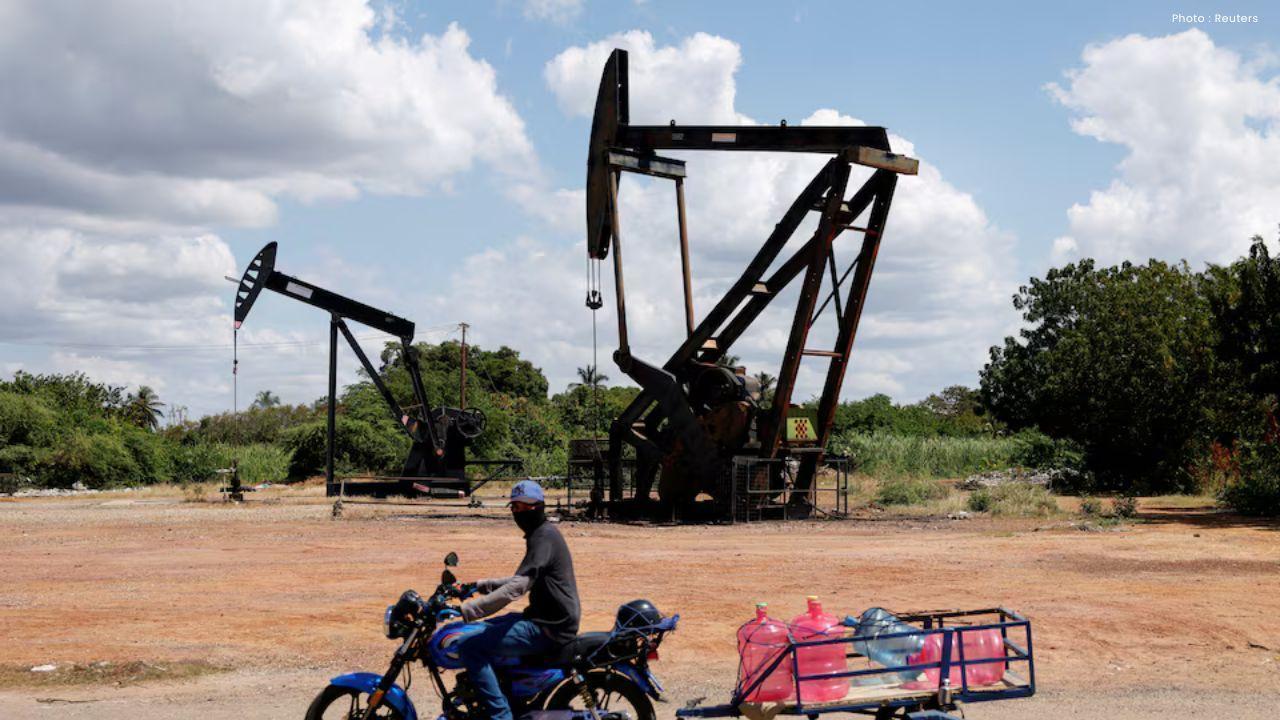
Venezuela is dealing with another environmental problem after two oil spills were reported near the Cardon Refinery, one of the country’s most important oil facilities. The incidents have once again brought attention to the condition of the nation’s oil system and the risks it poses to both people and nature.
The spills were linked to pipelines operated by PDVSA, the state-owned oil company. Reports say the first leak started near the Carirubana area, close to the refinery. A second leak was reported the next day in another nearby location across the Gulf of Coro. While officials described the spills as moderate, the full impact is still not clearly known.
Teams were quickly sent to control the leaks, and pipeline operations were stopped to prevent more oil from spilling. These actions helped limit the spread, but concerns remain because similar incidents have happened before. Quick response is important, but repeated leaks point to deeper problems.
Local fishermen said they saw oil spreading on the water, forming dark patches along the coast. Such pollution can be harmful for sea life, including fish and birds. It can also affect people who depend on fishing for their daily income. Even a small spill can damage the environment and take a long time to clean.
The Cardon refinery is part of a larger system that plays a big role in Venezuela’s economy. The country depends heavily on oil for its income, and facilities like this are very important for production and exports. However, when these systems fail, the damage can be serious and costly.
Experts have often pointed to aging equipment as a major reason for such accidents. Over the years, Venezuela’s oil infrastructure has suffered from limited maintenance and low investment. Pipelines and machinery that are not properly maintained become weak and more likely to break or leak.
From an editorial point of view, these oil spills are not just isolated events. They show a pattern that needs urgent attention. While the country has large oil reserves, it must also ensure that its systems are safe and reliable. Without proper care, the risks will continue to grow.
Environmental protection is also a key concern. Oil spills can harm ecosystems, damage coastlines, and affect human health. Cleaning up such damage is not only difficult but also expensive. Preventing spills is always better than dealing with their effects later.
At the same time, the government and PDVSA face the challenge of balancing production with safety. Improving infrastructure requires investment, planning, and strong management. Without these steps, similar incidents may continue in the future.
In conclusion, the two oil spills near the Cardon refinery highlight serious concerns about Venezuela’s oil sector. While the immediate situation is being controlled, the root problems remain. For long-term stability, the country must focus on better maintenance, stronger safety systems, and protection of its environment.






Anticipated Dates for UAE Eid Al Adha 2026 Unveiled by Astronomical Experts
Experts predict Eid Al Adha 2026 in the UAE to start on May 27, prompting early holiday planning amo

DAE Achieves Remarkable Growth in Q1 2026 With Record Revenue
Dubai Aerospace Enterprise announces impressive financial results for Q1 2026, reflecting a surge in

Price Increase for Sony PS5 in Southeast Asia Effective May 1
Sony announces a price increase for the PS5 across Southeast Asia starting May 1, 2026, impacting ga

Potential ‘Super El Niño’ in 2026: Understanding the Climate Risks
Could a Super El Niño emerge in 2026? Discover its implications and potential global climate impacts

Global Energy Crisis Intensifies: Markets React to Oil Supply Challenges
Markets are on edge as oil disruptions escalate, influencing prices and economic stability. Explore

Must-See Tourist Spots in London You Can't Overlook
Explore London's essential attractions, from royal landmarks to vibrant markets, ensuring an unforge




