Post by : Shweta
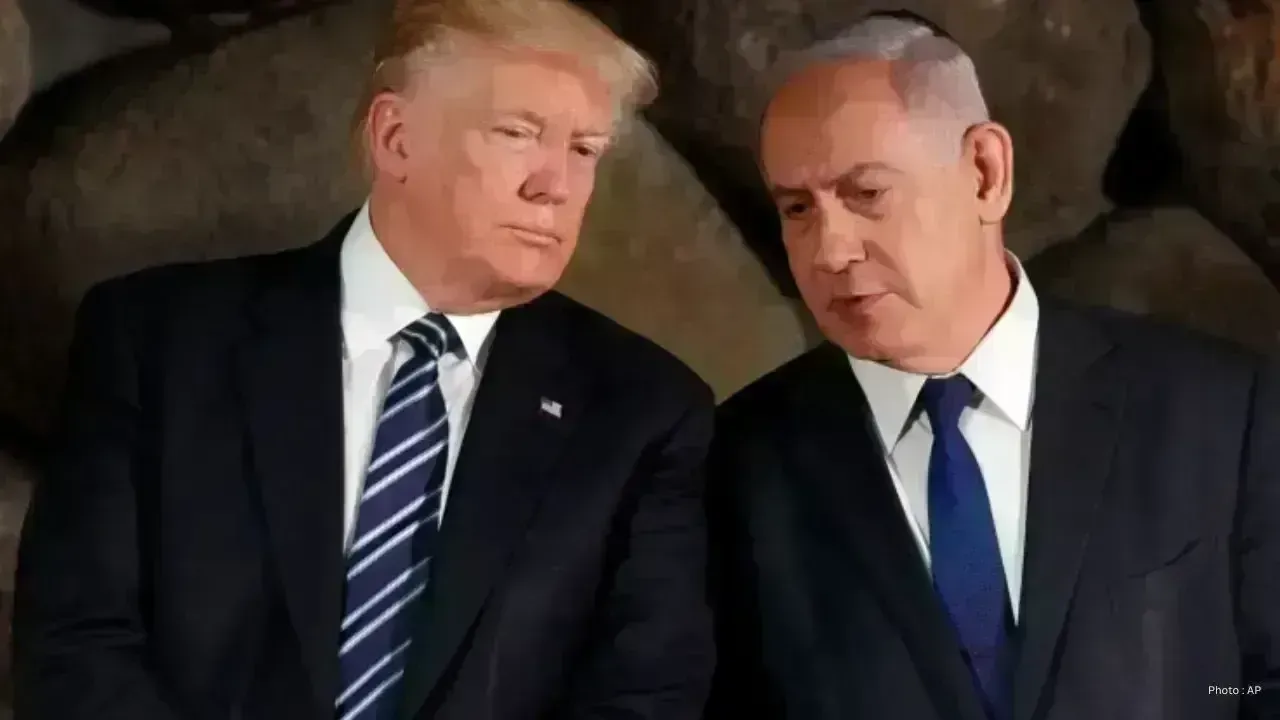
Political experts are raising alarm over what they term the “normalization of scandal” within the United States and Israel. Ongoing political controversies, allegations of corruption, legal conflicts, and wartime strategies have increasingly become embedded in the public consciousness. Analysts argue that the persistent cycle of scandals is dulling public outrage and eroding accountability in both nations.
In the United States, political polarization has escalated significantly, particularly following Donald Trump’s presidency. Legal probes, impeachment rallies, election controversies, and heightened political discourse have defined American politics in recent years. Experts note that scandals which once would have signified serious national crises now often morph into fleeting news stories as public focus shifts rapidly elsewhere.
Meanwhile, Israel grapples with its own series of ongoing political issues linked to corruption probes, legal reforms, military actions, and deep societal rifts. Prime Minister Benjamin Netanyahu, embroiled in numerous corruption allegations, remains a dominant figure in the nation’s politics. Critics argue that the intersection of legal and political disputes has become dangerously normalized within Israeli society.
The war in Gaza has exacerbated global discussions on political accountability and public response. Various human rights groups, international legal authorities, and foreign nations have repeatedly voiced their concerns regarding civilian welfare, humanitarian crises, and military strategies linked to the conflict. Analysts express apprehension that an unrelenting exposure to conflict-driven controversies is diminishing the political ramifications for leaders faced with tough wartime choices.
Experts also emphasize the role of modern and social media in furthering the normalization of scandals. Nonstop news coverage, viral social media posts, and escalating political divides create a cycle where many controversies seamlessly blend into a broader narrative of outrage and distraction. Analysts suggest that this constant stream of information can render even serious allegations commonplace to the public.
Political scholars warn that this trend could gradually destabilize democratic institutions. When recurring controversies fail to evoke significant public accountability, trust in political systems, judiciary bodies, media, and government structures could steadily decline.
In both countries, political leaders' supporters often dismiss critiques, labeling them as politically charged attacks rather than valid calls for accountability. This dynamic fosters increasingly polarized political climates where public sentiment regarding scandals tends to reflect political identity rather than objective reality.
This phenomenon is particularly noticeable during times of war and national security challenges. Supporters of the Israeli government often argue that national security imperatives necessitate a unified leadership during conflicts, while critics contend that wartime circumstances should not hinder the examination of political actions or humanitarian issues. Similar arguments have surfaced in the United States, particularly regarding foreign policies and military tactics.
Moreover, analysts point to the emerging fusion of politics, media tactics, and public relations. Today, political figures frequently tackle scandals not only through traditional legal or institutional routes but also via direct interactions with supporters across television, social media, and rallies. This approach enables leaders to swiftly craft narratives and uphold support, even amid significant controversies.
The relationship between the United States and Israel amplifies global scrutiny of these matters. Washington serves as Israel’s closest ally, offering military and diplomatic backing during ongoing regional instabilities. Critics assert that these strong ties can occasionally lessen external pressures regarding contentious decisions, while proponents argue that such an alliance is essential for regional security.
Public sentiment remains sharply divided. Some believe extensive media coverage exaggerates scandals for political purposes, while others express anxiety that repeated controversies could be undermining democratic principles and public confidence.
Observers emphasize that the fundamental issue goes beyond isolated incidents; it concerns how societies adapt to them over time. When scandals shift from being shocking to expected, experts caution that enforcing political accountability may become increasingly challenging, leading to rising skepticism about public institutions.
As political divides widen in both the United States and Israel, discussions around leadership, accountability, media impact, and democratic values remain pivotal in both national and international arenas.





Anticipated Dates for UAE Eid Al Adha 2026 Unveiled by Astronomical Experts
Experts predict Eid Al Adha 2026 in the UAE to start on May 27, prompting early holiday planning amo

DAE Achieves Remarkable Growth in Q1 2026 With Record Revenue
Dubai Aerospace Enterprise announces impressive financial results for Q1 2026, reflecting a surge in

Price Increase for Sony PS5 in Southeast Asia Effective May 1
Sony announces a price increase for the PS5 across Southeast Asia starting May 1, 2026, impacting ga

Potential ‘Super El Niño’ in 2026: Understanding the Climate Risks
Could a Super El Niño emerge in 2026? Discover its implications and potential global climate impacts

Global Energy Crisis Intensifies: Markets React to Oil Supply Challenges
Markets are on edge as oil disruptions escalate, influencing prices and economic stability. Explore

Must-See Tourist Spots in London You Can't Overlook
Explore London's essential attractions, from royal landmarks to vibrant markets, ensuring an unforge




