Post by : Shweta
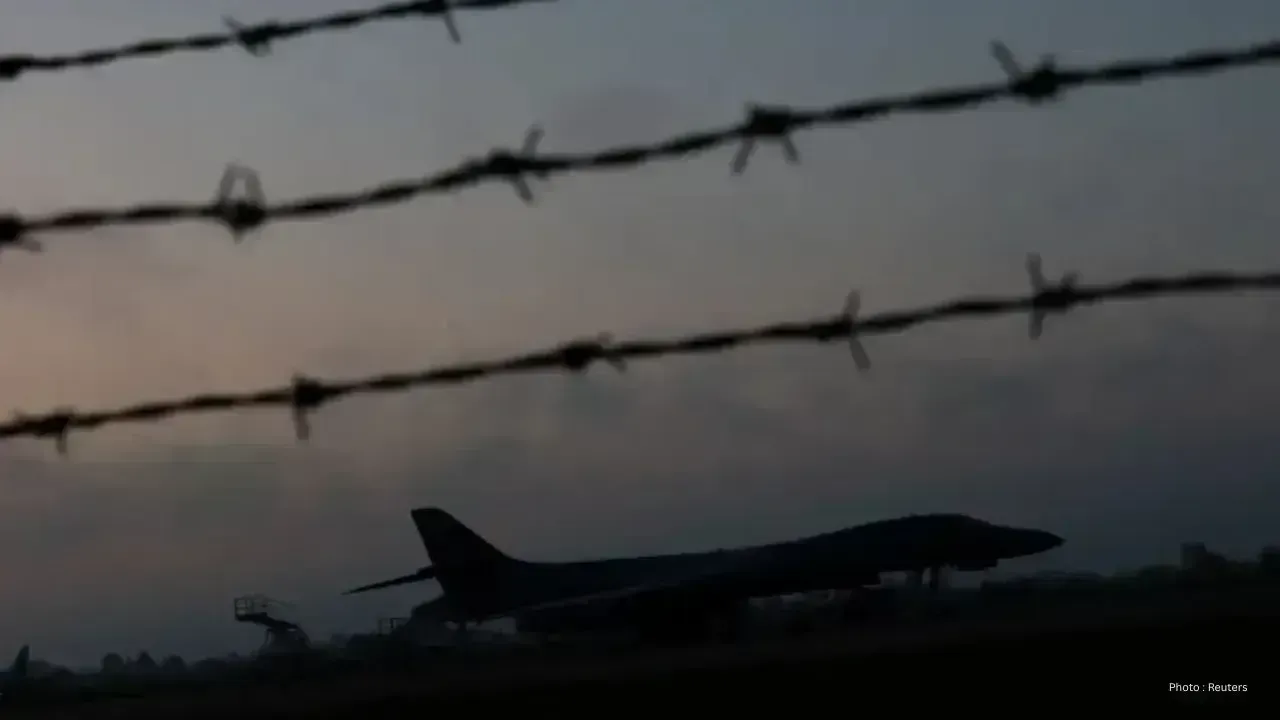
As global conflicts escalate, the United States is grappling with the daunting question of whether its military arsenal can effectively meet the demands of international security threats. Experts warn that from missiles to munitions, the US defense sector is under unprecedented stress as the need for advanced military equipment surges worldwide.
This concern has intensified following the US's commitment to supply significant military resources to allies embroiled in conflicts, notably Ukraine and issues in the Middle East. The assistance encompasses a range of advanced military hardware, including surface-to-air missiles, precision artillery, drones, and other critical weapon systems. Despite the nation’s formidable military stature, analysts caution that simultaneous support for various global conflicts is straining already stretched stockpiles.
Reports from defense officials and military analysts indicate that some essential weaponry is depleting faster than it can be produced. This includes key systems such as Patriot missile batteries, long-range guided munitions, and artillery shells. The requirements of modern warfare demand vast quantities of these advanced resources, and their production involves a lengthy and costly process with unique material requirements. Certain missile systems can take months or years to manufacture due to their sophisticated technology and complex supply chains.
The predicament is compounded by the necessity for the US military to remain vigilant against potential future threats, especially in volatile regions like the Indo-Pacific where tensions with China and Taiwan escalate. Defense strategists express concerns that the US might struggle to maintain an adequate supply of weapons for both its own defense and for allied support in the event of a new conflict.
In response, American defense manufacturers have ramped up production efforts to accommodate the rising demand. Major corporations are expanding operations, increasing their workforce, and investing in technological advancements to enhance production efficiency. Concurrently, the Pentagon is engaging in multi-billion dollar contracts aimed at replenishing stockpiles and boosting long-term production capabilities. However, experts warn that this restoration isn't instant, due to the industry's reliance on intricate global supply networks and a scarcity of specialized components.
Cost also presents a significant hurdle for modern warfare. The financial burden of advanced missiles and guided systems is substantial, with some interceptors priced in the millions, complicating large-scale replacements even for a nation with a robust defense budget like the US. In Washington, lawmakers are currently debating the allocation of funds towards defense production while navigating competing national priorities.
Military analysts assert that the ongoing scenario reveals frailties within the global defense supply chain. Many Western nations downsized military production post-Cold War, believing that large-scale conflicts were less probable. Yet, contemporary confrontations illustrate that modern warfare can rapidly exhaust ammunition supplies. As a result, both the US and its allies are working to restore industrial capabilities that have diminished over the decades.
Despite these challenges, US officials maintain that the nation continues to uphold strong military readiness, prepared to defend itself and assist allies as required. Pentagon leadership asserts that America’s defense framework is adjusting to emerging security dynamics and that initial production increases are yielding positive outcomes. However, many analysts interpret the current landscape as a signaling for future military strategy that will necessitate a more robust and stable weapons production framework.
The discussion surrounding the availability of US missiles and munitions is expected to persist as international tensions endure. Defense experts warn that the next few years will be pivotal in assessing whether the United States can scale its military production effectively while ensuring readiness for potential future conflicts across the globe.










Anticipated Dates for UAE Eid Al Adha 2026 Unveiled by Astronomical Experts
Experts predict Eid Al Adha 2026 in the UAE to start on May 27, prompting early holiday planning amo

DAE Achieves Remarkable Growth in Q1 2026 With Record Revenue
Dubai Aerospace Enterprise announces impressive financial results for Q1 2026, reflecting a surge in

Price Increase for Sony PS5 in Southeast Asia Effective May 1
Sony announces a price increase for the PS5 across Southeast Asia starting May 1, 2026, impacting ga

Potential ‘Super El Niño’ in 2026: Understanding the Climate Risks
Could a Super El Niño emerge in 2026? Discover its implications and potential global climate impacts

Global Energy Crisis Intensifies: Markets React to Oil Supply Challenges
Markets are on edge as oil disruptions escalate, influencing prices and economic stability. Explore

Must-See Tourist Spots in London You Can't Overlook
Explore London's essential attractions, from royal landmarks to vibrant markets, ensuring an unforge




