Post by : Saif Nasser
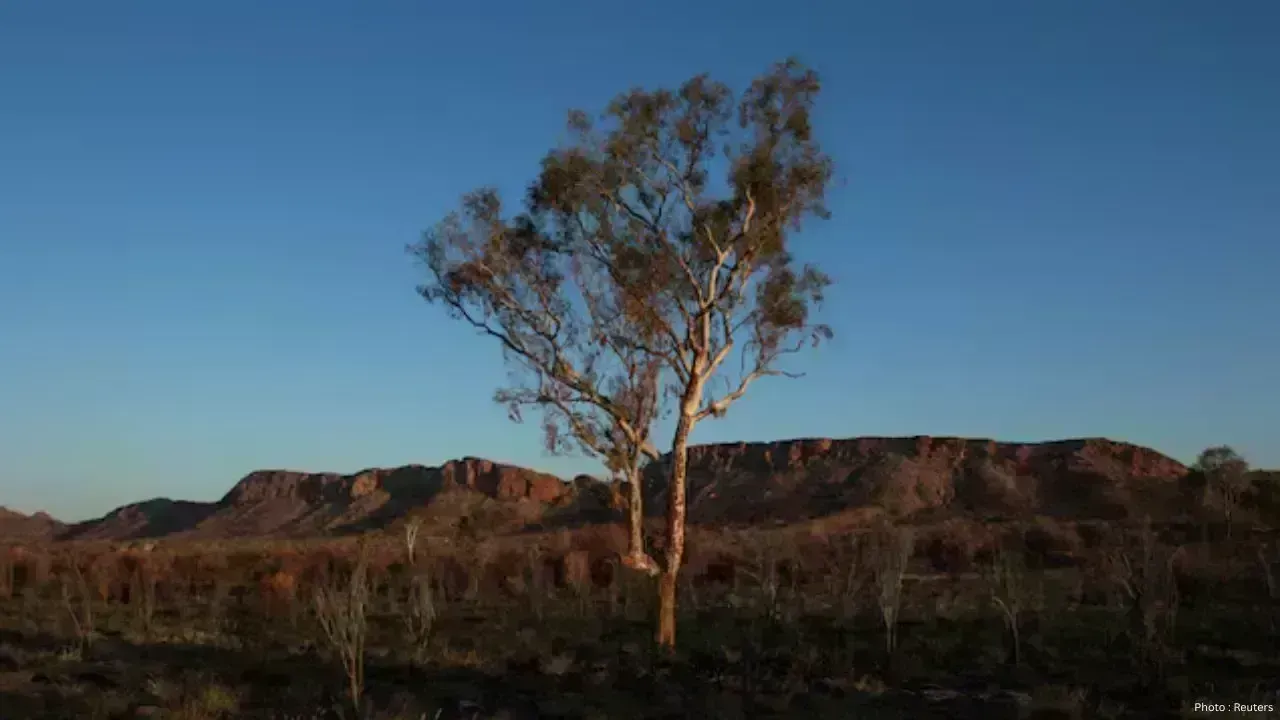
Climate change is becoming a growing threat to plant species around the world as rising temperatures, changing weather patterns, and shrinking natural habitats continue affecting forests, grasslands, wetlands, and mountain ecosystems.
Scientists and environmental experts warn that many plant species may struggle to survive if global warming continues at the current pace. Research shows that climate shifts are forcing plants to adapt quickly to changing conditions, while many species are losing the natural environments they depend on for growth and survival.
Plants play a vital role in maintaining life on Earth. They provide oxygen, food, medicine, shelter, and support for wildlife ecosystems. Forests, grasslands, and wetlands also help control temperatures, absorb carbon dioxide, and protect soil and water resources.
Environmental researchers say habitat loss is becoming one of the biggest dangers facing plant life globally. Rising heat levels, droughts, floods, wildfires, and changing rainfall patterns are damaging ecosystems that took thousands of years to develop naturally.
Some plant species can slowly adjust to environmental changes, but others may not survive rapid climate shifts. Rare plants living in mountains, islands, or limited geographic regions are considered especially vulnerable because they have fewer places to move or adapt.
Scientists explain that climate change affects plants in several ways. Higher temperatures may alter growing seasons, reduce water availability, increase disease risks, and disturb pollination systems involving insects and birds.
Many regions are already witnessing visible environmental changes. Forest fires are becoming more frequent in several countries, while drought conditions continue damaging vegetation and agricultural land. Rising sea levels also threaten coastal ecosystems where certain plants naturally grow.
The loss of plant species can create serious consequences for wildlife and human populations. Animals that depend on specific plants for food or shelter may also face survival risks if ecosystems become unstable.
Agriculture may also suffer from climate-related plant loss. Farmers depend heavily on stable environmental conditions for crop production. Extreme heat, water shortages, and soil damage can reduce food production and increase economic pressure on rural communities.
Experts warn that biodiversity loss may become one of the biggest global environmental challenges of the coming decades. Biodiversity refers to the variety of plant and animal life that supports healthy ecosystems and natural balance.
When plant diversity decreases, ecosystems often become weaker and less capable of handling environmental stress. Healthy forests and natural habitats normally help absorb carbon dioxide and reduce climate impact, but damaged ecosystems lose this protective ability.
Climate change is largely linked to greenhouse gas emissions produced by industries, transportation, fossil fuels, and deforestation. Environmental organizations continue urging governments to reduce emissions and invest more in renewable energy and conservation programs.
Several countries are now increasing efforts to protect forests, restore damaged land, and expand environmental protection laws. Reforestation programs and wildlife conservation projects are being promoted as important steps toward reducing climate damage.
At the same time, scientists believe international cooperation remains necessary because climate change affects all countries regardless of borders. Environmental problems connected to rising temperatures often influence global food systems, water resources, health conditions, and economic stability.
The issue also highlights the importance of protecting natural habitats before species disappear permanently. Once certain plants become extinct, they cannot be restored. Researchers say some species may contain medicinal value or environmental importance that humanity does not fully understand yet.
Young people around the world are increasingly becoming involved in climate awareness campaigns and environmental protection activities. Schools, universities, and social organizations continue encouraging public participation in conservation efforts.
Experts say ordinary citizens can also contribute through smaller actions such as reducing waste, planting trees, saving water, using cleaner energy, and supporting sustainable environmental policies.
The latest research on shrinking habitats serves as another warning about the long-term impact of climate change on the natural world. Scientists stress that environmental protection is not only about saving forests or wildlife but also about protecting human survival and future generations.
Governments, industries, and communities therefore face growing pressure to take stronger action against climate-related threats before damage becomes irreversible. Environmental experts believe faster action today may help prevent greater ecological and economic problems in the future.
The warning about global plant species reflects a wider reality facing the planet. Climate change is no longer considered a distant issue for future generations alone. Its effects are already visible across ecosystems, economies, and everyday life in many parts of the world.









Anticipated Dates for UAE Eid Al Adha 2026 Unveiled by Astronomical Experts
Experts predict Eid Al Adha 2026 in the UAE to start on May 27, prompting early holiday planning amo

DAE Achieves Remarkable Growth in Q1 2026 With Record Revenue
Dubai Aerospace Enterprise announces impressive financial results for Q1 2026, reflecting a surge in

Price Increase for Sony PS5 in Southeast Asia Effective May 1
Sony announces a price increase for the PS5 across Southeast Asia starting May 1, 2026, impacting ga

Potential ‘Super El Niño’ in 2026: Understanding the Climate Risks
Could a Super El Niño emerge in 2026? Discover its implications and potential global climate impacts

Global Energy Crisis Intensifies: Markets React to Oil Supply Challenges
Markets are on edge as oil disruptions escalate, influencing prices and economic stability. Explore

Must-See Tourist Spots in London You Can't Overlook
Explore London's essential attractions, from royal landmarks to vibrant markets, ensuring an unforge




