Post by : Shweta
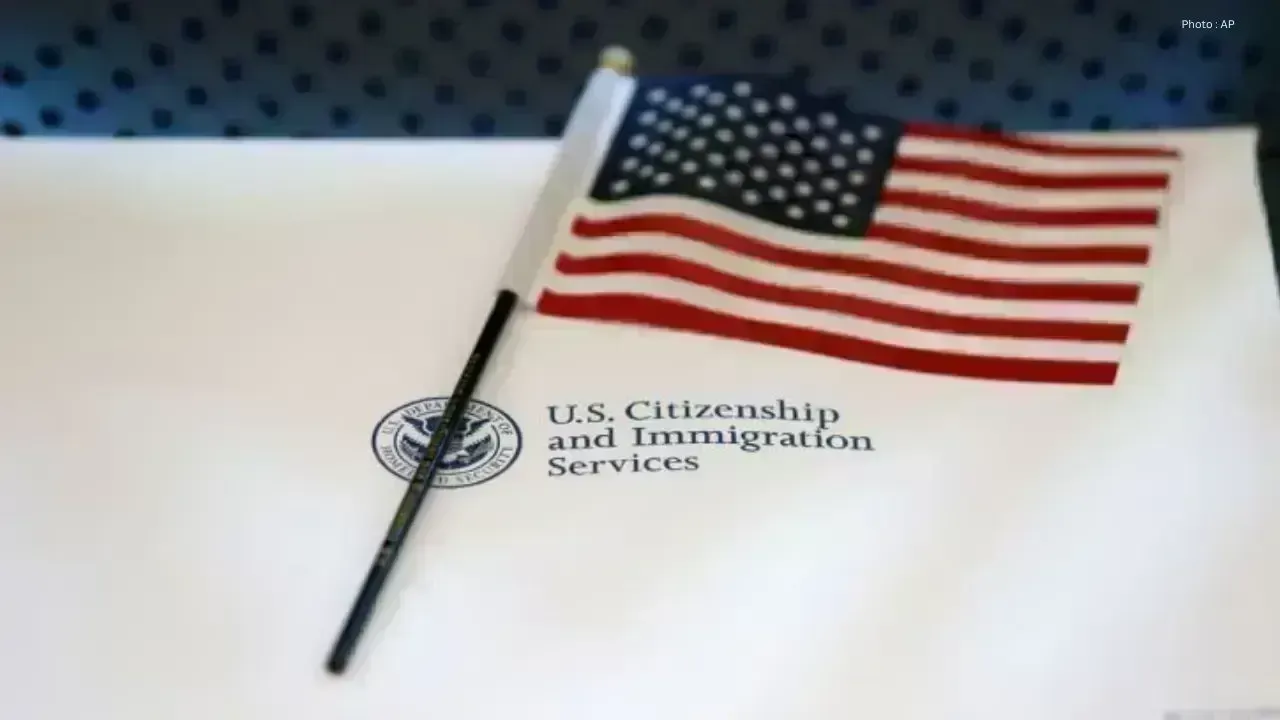
In a significant shift impacting the immigration landscape, the Trump administration has announced alterations to the US immigration structure that could affect numerous foreign nationals residing in the country. The new regulation stipulates that many individuals seeking permanent residency, or green cards, must exit the United States and finalize their applications from their home countries. This marks a considerable change in immigration policy during Donald Trump’s second term.
As per the updated guidelines from the US Citizenship and Immigration Services (USCIS), the ability to apply for green cards without leaving the US will now be limited to those experiencing “extraordinary circumstances.” Generally, applicants on temporary visas—including H-1B work visas, student visas, and tourist visas—will need to return to their home countries and complete required interviews at US consulates before gaining approval for permanent residency.
US immigration authorities have indicated that this policy aims to revert to what they describe as the “original intent” of immigration laws. Zach Kahler, a spokesperson for USCIS, explained that temporary visas were established for brief stays and should not inherently lead to permanent residency paths. Officials believe this decision might help decrease visa overstays and enhance immigration enforcement nationwide.
The implications of this policy are anticipated to touch a substantial number of skilled foreign professionals, international students, and family-based applicants legally residing in the US. Legal experts and advocacy groups have cautioned that this change could lead to extended family separations, as green card processes at US embassies and consulates can take months or even years. Additionally, individuals exiting the US after overstaying their visas may encounter challenges in re-entering due to current immigration regulations.
There are reports suggesting that exceptions might still be made for applicants providing significant economic benefits to the US or serving national interests. However, officials have not clearly articulated the criteria for these exemptions. This ambiguity has raised concerns among employers, particularly in the technology and healthcare sectors, which rely heavily on foreign employees.
The announcement has ignited strong reactions from immigration advocates, business leaders, and political adversaries. Critics highlight that such a decision may harm the US economy by pushing skilled workers away, while proponents argue that it reinforces immigration regulations and ensures adherence to legal processes.
Anticipating legal challenges in the upcoming weeks, many immigration experts believe that this new rule could significantly transform the green card application process, introducing uncertainty for families and workers waiting for their residency approval.








Anticipated Dates for UAE Eid Al Adha 2026 Unveiled by Astronomical Experts
Experts predict Eid Al Adha 2026 in the UAE to start on May 27, prompting early holiday planning amo

DAE Achieves Remarkable Growth in Q1 2026 With Record Revenue
Dubai Aerospace Enterprise announces impressive financial results for Q1 2026, reflecting a surge in

Price Increase for Sony PS5 in Southeast Asia Effective May 1
Sony announces a price increase for the PS5 across Southeast Asia starting May 1, 2026, impacting ga

Potential ‘Super El Niño’ in 2026: Understanding the Climate Risks
Could a Super El Niño emerge in 2026? Discover its implications and potential global climate impacts

Global Energy Crisis Intensifies: Markets React to Oil Supply Challenges
Markets are on edge as oil disruptions escalate, influencing prices and economic stability. Explore

Must-See Tourist Spots in London You Can't Overlook
Explore London's essential attractions, from royal landmarks to vibrant markets, ensuring an unforge




