Post by : Shweta
In Islamabad, attempts to revive peace discussions between the United States and Iran have reached an impasse, although a tenuous ceasefire remains intact, averting a swift return to larger-scale conflict. The situation exudes tension, with questions about the duration of this hostilities pause.
The anticipated second round of discussions was expected to occur in Islamabad but faltered as Iran opted out. In light of this setback, Donald Trump opted to prolong the ceasefire at the request of Pakistani mediators, thereby granting additional time for clandestine diplomatic efforts.
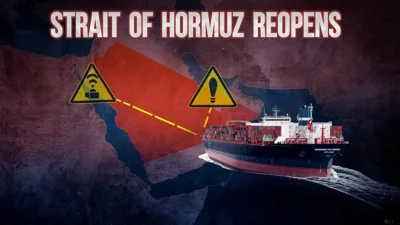
Yet, tensions have flared in the strategically critical Strait of Hormuz, where hostile actions have emerged from both sides. Reports indicate that Iran's Islamic Revolutionary Guard Corps targeted two ships, impacting one vessel without causing injuries. In retaliation, U.S. naval forces have upheld a blockade aimed at Iranian shipping, heightening pressure on Tehran.
This ongoing standoff in the Strait of Hormuz sparks worries over global economic stability. As a crucial conduit for oil transportation, any disruption here could trigger rising energy costs, especially impacting major importing nations in Asia.
Iran vocally opposes the U.S. blockade and has rejected talks under the prevailing conditions. Iranian officials have denounced the interception of their vessel as a breach of international law, escalating the matter at the United Nations. This deepening rift fosters further mistrust, complicating any potential negotiations.
Moreover, mixed signals from Washington have intensified uncertainties. While Trump conveys optimism for future talks, his concurrent military threats muddy the waters, jeopardizing ongoing diplomatic initiatives.
There are emerging signs of schisms within Iran's leadership, complicating their decision-making regarding negotiations. Disputes over military strategy, nuclear policy, and engagements with the U.S. have hindered the establishment of a consolidated stance.
In spite of these hurdles, covert diplomacy spearheaded by Pakistan and other nations persists, aiming to avert further escalation. For now, these undertakings are contributing to the ceasefire's survival, but the landscape remains volatile.
While open conflict seems averted for now, the stall in talks along with heightened tensions indicates a persistent possibility for escalation. The upcoming days are pivotal in assessing if diplomacy can thrive, or if the region edges closer to renewed hostilities.





Price Increase for Sony PS5 in Southeast Asia Effective May 1
Sony announces a price increase for the PS5 across Southeast Asia starting May 1, 2026, impacting ga

Potential ‘Super El Niño’ in 2026: Understanding the Climate Risks
Could a Super El Niño emerge in 2026? Discover its implications and potential global climate impacts

Global Energy Crisis Intensifies: Markets React to Oil Supply Challenges
Markets are on edge as oil disruptions escalate, influencing prices and economic stability. Explore

Must-See Tourist Spots in London You Can't Overlook
Explore London's essential attractions, from royal landmarks to vibrant markets, ensuring an unforge

Ultimate Guide to Snagging Cheap Flights in 2026
Unlock the secrets to booking affordable flights in 2026 with insightful tips and strategies tailore

The Impact of Consistent Small Investments on Wealth Building
Discover how investing small amounts regularly can positively transform your financial future over t