Post by : Saif Nasser
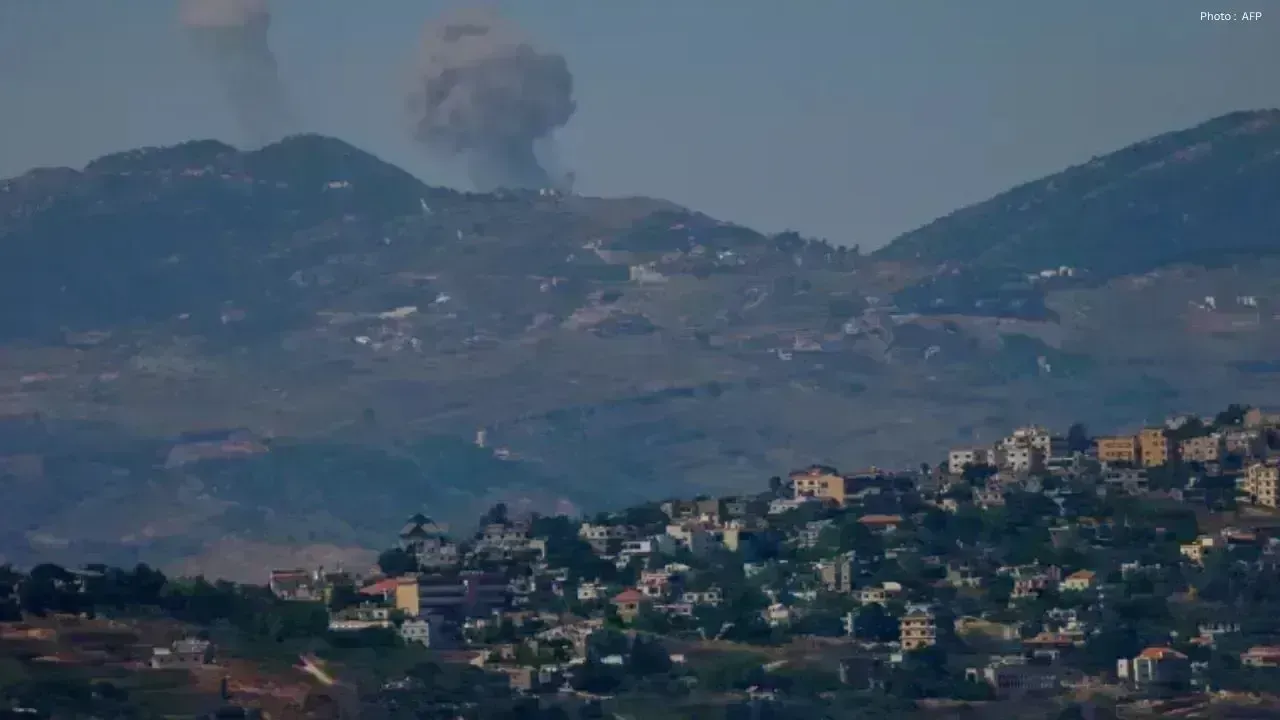
Middle East is facing another dangerous moment as US forces intercepted Iranian attacks while Israeli military operations continued inside Lebanon. The latest developments have increased concerns that the conflict could spread further across the region, drawing in more countries and creating greater instability at a time when tensions are already running high.
The recent military activity highlights the growing complexity of the crisis. What began as a series of separate confrontations has increasingly become a wider regional challenge involving multiple governments, armed groups, and international powers. As military operations continue on several fronts, fears are rising that the situation could move beyond localized fighting and develop into a broader security emergency.
According to reports, American defense systems were used to intercept incoming threats linked to Iran. The action was aimed at protecting military assets and maintaining security in strategic locations across the region. The operation demonstrated the significant role the United States continues to play in Middle Eastern security affairs, particularly when regional stability is threatened.
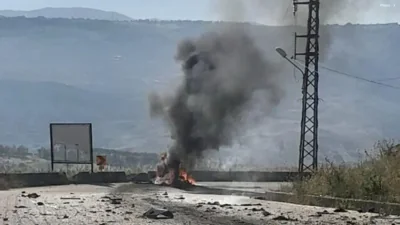
At the same time, Israeli military operations in Lebanon continued, targeting locations that authorities say are connected to armed groups operating near the border. The campaign reflects ongoing security concerns and the belief among Israeli officials that military action is necessary to address threats originating from neighboring territory.
The combination of these developments has created a highly sensitive situation. Military operations involving several actors increase the risk of miscalculation, misunderstanding, or unintended escalation. Even a limited incident can quickly grow into a larger confrontation when multiple parties are involved.
One of the biggest concerns is the possibility of the conflict spreading beyond its current boundaries. Regional governments are closely monitoring events because instability can have serious consequences for security, economic activity, and diplomatic relations. Countries throughout the Middle East understand that a wider confrontation could affect trade routes, energy supplies, and national economies.
The humanitarian impact remains another major concern. Continued military activity places civilian populations at risk and creates uncertainty for families living near conflict zones. Communities often face disruptions to daily life, including challenges related to transportation, education, healthcare, and economic opportunities. Prolonged instability can leave lasting effects that continue long after military operations end.
The latest developments also demonstrate the growing importance of air defense systems in modern warfare. Interception technology has become a key element of national security strategies, allowing countries to respond to missile and drone threats before they reach their intended targets. While such systems can reduce immediate risks, they do not address the deeper political issues that often drive conflicts.
Diplomatic efforts remain essential despite ongoing military operations. Many international leaders continue to call for restraint and dialogue, warning that further escalation could make a peaceful resolution more difficult. History has shown that conflicts in the Middle East rarely produce lasting solutions through military means alone. Sustainable stability often requires negotiation, communication, and political compromise.
The involvement of major powers also adds another layer of complexity. Decisions made in Washington, Tehran, and Jerusalem can influence security conditions across the region. As a result, developments are being closely watched by governments around the world, many of which have economic and strategic interests tied to Middle Eastern stability.
Energy markets are particularly sensitive to events in the region. The Middle East remains a critical supplier of oil and natural gas to the global economy. Whenever military tensions rise, concerns about possible disruptions to production or transportation can influence international markets and affect energy prices worldwide.
For ordinary citizens, the continuing cycle of military action and retaliation creates uncertainty about the future. Many people across the region hope for greater stability, economic development, and opportunities for younger generations. Continued conflict threatens those goals and makes long-term progress more difficult to achieve.
The current situation serves as a reminder of how interconnected regional security has become. Actions taken in one country can quickly influence events in another, creating a chain reaction that affects millions of people. This reality makes diplomatic engagement more important than ever.
interception of Iranian attacks by US forces and the continuation of Israeli operations in Lebanon have added new urgency to efforts aimed at preventing a broader conflict. While military measures may address immediate security concerns, lasting peace will depend on political solutions and meaningful dialogue. The coming weeks will be critical in determining whether regional leaders can reduce tensions or whether the crisis moves toward a more dangerous phase.





Achieve Radiant Skin with This Simple Rice Flour Treatment
Transform your skincare routine! Discover how a rice flour mix can restore your skin's glow without

Meta Unveils Subscription Plans for Instagram, Facebook, and WhatsApp
Meta introduces new subscription plans for users of Instagram, Facebook, and WhatsApp, featuring enh

Suvarna Joy on Education Leadership, Resilience, and Building Purpose Through Adversity in the UAE
Suvarna Joy shares her journey of education leadership, motherhood, faith, and resilience within the

Anticipated Dates for UAE Eid Al Adha 2026 Unveiled by Astronomical Experts
Experts predict Eid Al Adha 2026 in the UAE to start on May 27, prompting early holiday planning amo

DAE Achieves Remarkable Growth in Q1 2026 With Record Revenue
Dubai Aerospace Enterprise announces impressive financial results for Q1 2026, reflecting a surge in

Price Increase for Sony PS5 in Southeast Asia Effective May 1
Sony announces a price increase for the PS5 across Southeast Asia starting May 1, 2026, impacting ga




