Post by : Shweta
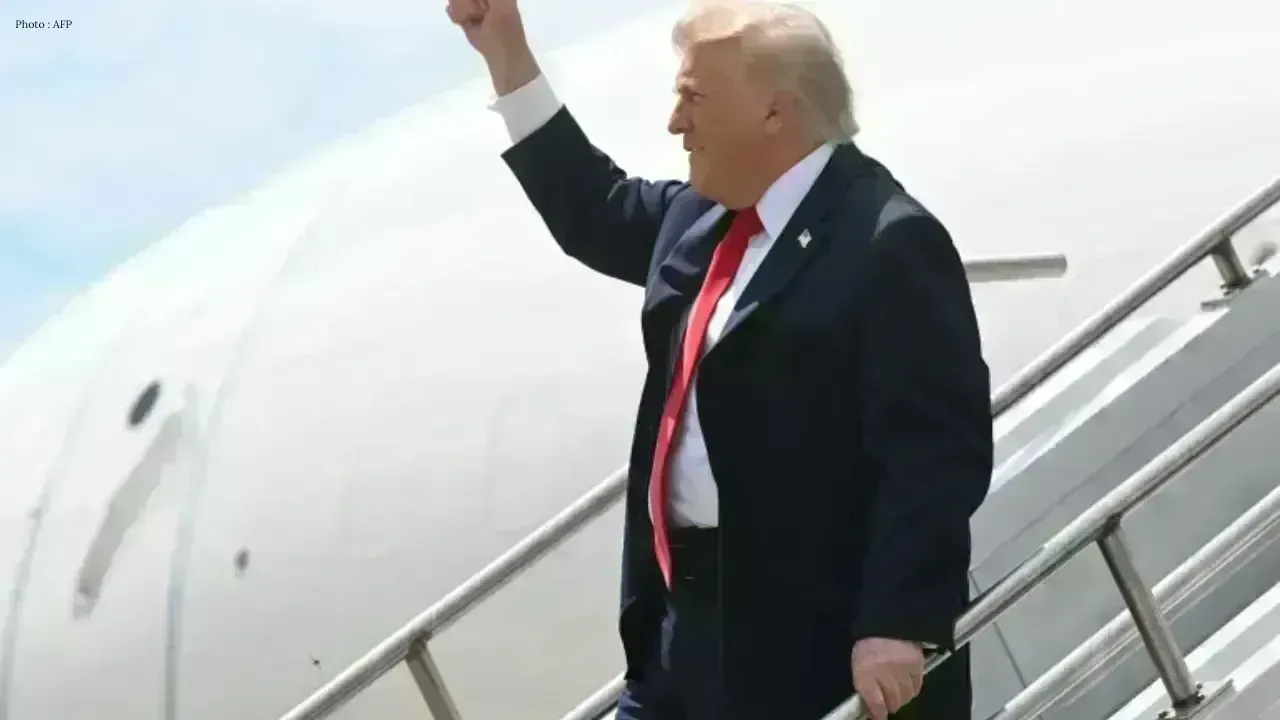
During a recent visit to Wisconsin, U.S. President Donald Trump aimed to reassure farmers grappling with the challenges of tariffs, escalating production costs, and uncertainties in international trade. He reinforced his administration's dedication to supporting American farmers and enhancing the agricultural sector.
This visit occurs as many farmers are confronted with surging expenses for essential supplies such as fuel, fertilizer, and equipment. Ongoing trade disputes have also impacted export potential for numerous agricultural goods, raising concerns among farmers and industry associations.
In his address to the farming community, Trump asserted that his trade and economic policies are tailor-made to safeguard American producers while improving the long-term prospects for agriculture. He underscored the significance of domestic production and reiterated the government's commitment to creating better conditions for farmers and rural populations.
Wisconsin stands as a prominent agricultural state in the U.S., particularly in dairy and other farming industries. Economic factors affecting farmers in the state draw considerable attention from policymakers and industry groups alike.
Many farmers nationwide have faced fluctuating commodity prices and rising operational costs in recent years. Higher expenses related to essential inputs like feed, fertilizer, and machinery have intensified pressure on farm revenue. Meanwhile, evolving international trade policies have affected access to crucial export markets.
Trump's engagement in Wisconsin emphasized the critical role of agriculture in the American economy, highlighting the necessity of supporting producers enduring financial strain. He acknowledged the sector’s challenges and confirmed the administration's commitment to policies that enhance economic prospects for farmers.
The administration's supporters maintain that trade measures and tariffs are aimed at fortifying the U.S. position in global markets and protecting domestic sectors. They contend that short-term disruptions might pave the way for long-term advantages for American producers.
Conversely, various economists and agricultural organizations caution that tariffs and trade disputes can generate uncertainty for exporters and escalate costs. For many agricultural enterprises reliant on international demand, access to global markets remains vital.
The agricultural sector significantly contributes to the economic activity of numerous U.S. regions, with rural communities often depending heavily on it. Hence, government policies impacting trade and production expenses hold substantial importance. Industry specialists emphasize that stability and predictability in market conditions are key to fostering investment and bolstering future expansion.
Concerns regarding inflation and escalating costs along the supply chain have also been echoed by agricultural producers. Rising transportation, energy, and farm equipment expenses have impacted profitability, forcing many businesses to modify their operations.
Trump's outreach to Wisconsin's farmers highlights the ongoing discourse surrounding trade policy and its effects on rural economies. Supporters believe his strategies are essential for protecting American interests, while critics argue tariffs have intensified financial challenges for producers and businesses.
As policymakers seek solutions to the economic hurdles affecting the agricultural sector, the issue is likely to remain pertinent. Agricultural organizations and industry representatives are expected to persist in advocating for policies that offer stability and enhance market access.
With farmers preparing for future planting and production cycles, many will be closely monitoring how trade negotiations and economic policies progress. Decisions issued from Washington may directly impact the outlook for agricultural enterprises and rural communities throughout the U.S.
The discussions held in Wisconsin accentuate the persistent significance of agriculture within the American economy and the challenges confronting producers amidst changing trade policies and rising costs. Future transformations in economic and trade policy will be closely scrutinized by farmers and industry leaders.
Stay connected with us for more updates and developments on this matter.









Achieve Radiant Skin with This Simple Rice Flour Treatment
Transform your skincare routine! Discover how a rice flour mix can restore your skin's glow without

Meta Unveils Subscription Plans for Instagram, Facebook, and WhatsApp
Meta introduces new subscription plans for users of Instagram, Facebook, and WhatsApp, featuring enh

Suvarna Joy on Education Leadership, Resilience, and Building Purpose Through Adversity in the UAE
Suvarna Joy shares her journey of education leadership, motherhood, faith, and resilience within the

Anticipated Dates for UAE Eid Al Adha 2026 Unveiled by Astronomical Experts
Experts predict Eid Al Adha 2026 in the UAE to start on May 27, prompting early holiday planning amo

DAE Achieves Remarkable Growth in Q1 2026 With Record Revenue
Dubai Aerospace Enterprise announces impressive financial results for Q1 2026, reflecting a surge in

Price Increase for Sony PS5 in Southeast Asia Effective May 1
Sony announces a price increase for the PS5 across Southeast Asia starting May 1, 2026, impacting ga




