Post by : Monika
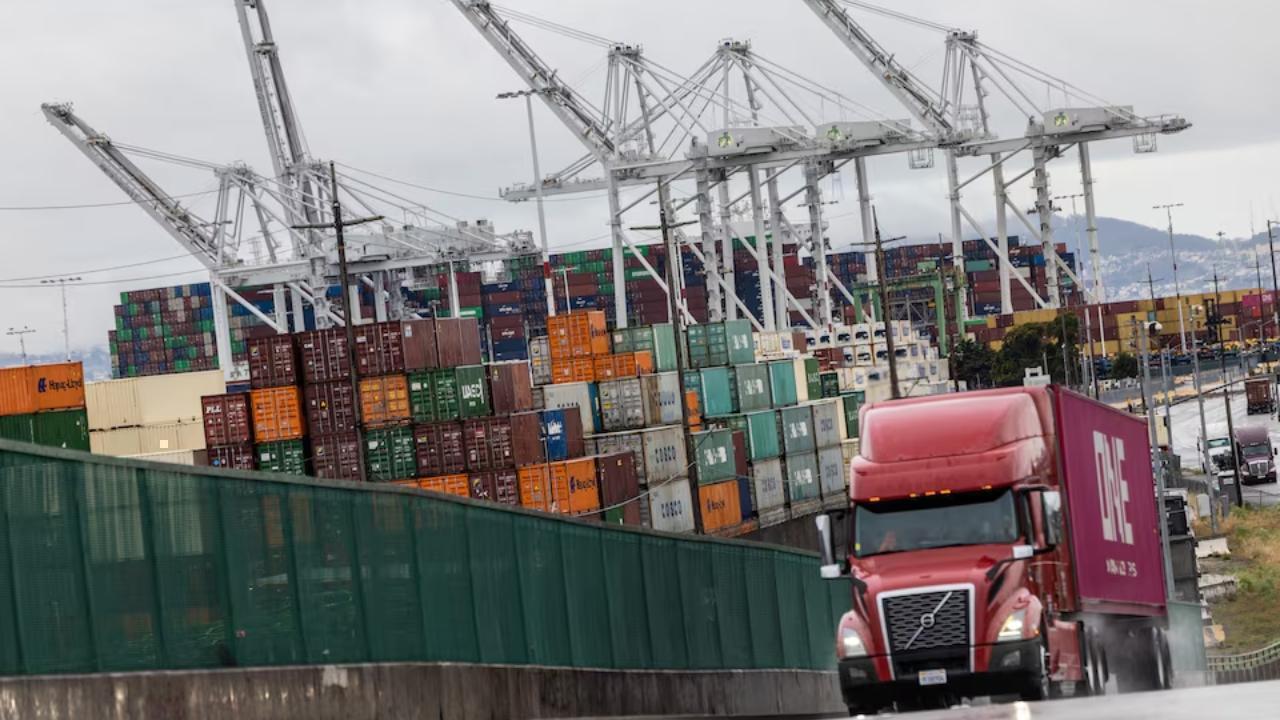
Photo: Reuters
In late July 2025, official estimates suggested that the U.S. economy bounced back in the April–June period. Growth likely reached between 2.4% and 3.3% on an annual basis, after shrinking by 0.5% in the first quarter. But closer examination shows this improvement came from less importing, not from strong activity within the economy.
Why Growth Appears Strong
The Commerce Department’s early report on Gross Domestic Product (GDP) will show a rise in output, but economists warn the headline number might be misleading. A big drop in U.S. imports helped inflate the number, reversing a large trade deficit recorded in the previous quarter.
Import activity fell sharply in June, which means fewer goods were brought into the country. Since imports subtract from GDP, this decline made overall output look better—even though domestic demand may still be weak. This pattern echoes the first quarter, when business rushed to import goods ahead of new tariffs, inflating that quarter's data too.
What Are the Weak Spots?
Although consumer spending likely picked up modestly—perhaps rising 1% to 1.5%—other key areas remained sluggish. Business investment in equipment stayed weak and orders for core capital goods, a key signal of future growth, declined. This shows businesses stayed cautious, holding back on spending.
Economists suggest focusing on "final sales to private domestic purchasers"—a measure that removes trade, inventory, and government influence—from GDP calculations. That figure, which better reflects actual demand, is expected to have slowed compared to the stronger pace seen earlier in 2025.
Trade and Inventories Distort the Picture
Import activity is one volatile element of GDP. In the second quarter, slower imports helped boost the headline number by reversing earlier inventory build-up. That first quarter, inventories had added nearly 4.6 percentage points to GDP, masking a sharp economic slowdown. Now, less trade and smaller stock levels are masking the economy’s fragility again.
Analysts forecast that while headline GDP may show 2.4% growth—or even up to 3.3% after revisions—the underlying economy is growing much more slowly.
Broader Outlook: Slower Growth for 2025
Economists expect the full year 2025 growth rate to stay under 1.5%, down from about 2.8% in 2024. Inflation remains somewhat elevated, wages are rising, but the job market is losing steam. Labor conditions are still stable, but hiring has cooled and claims for jobless benefits have crept up.
Policy choices also matter. Tariff policies implemented since early 2024 have created business uncertainty, which discouraged investment. Even after several trade agreements, around 60% of U.S. imports remain subject to duties, limiting growth.
Fiscal changes, like new legislation, could increase government spending and push debt higher. But experts warn these moves may not bring lasting economic strength.
What Are the Federal Reserve’s Plans?
The Federal Reserve is expected to keep interest rates steady at around 4.25% to 4.50% during its policy meeting on July 29–30. Fed Chair Jerome Powell and most policymakers prefer caution, waiting for more evidence before cutting rates. Some Fed members appointed by the current administration support future rate reductions, citing softer job and inflation data.
The Fed aims to control inflation without derailing the labor market. With growth looking fragile, many economists expect the first rate cut as early as December, depending on incoming data.
Why This Matters
GDP is the broadest measure of the economy, but changes in trade and inventory can skew its meaning. A headline recovery driven by falling imports may hide underlying weaknesses such as weak consumer demand or low business investment. Policymakers and investors focus closely on final domestic sales to see if the economy is truly gaining momentum.
What Has Changed in Trade and Inventories?
June’s goods trade deficit dropped sharply—by about 10.8%—to its lowest level since September 2023, as imports fell nearly 4.2%.
Retail and wholesale inventories rose slightly, holding up stock but not enough to suggest a big inventory bounce.
These changes support a rebound in headline GDP but also indicate slowing demand.
Topic Details
What’s Next for the Economy?
Key economic data—such as job reports, inflation measures, and consumer and business sentiment—will inform future policy decisions. Markets are watching these releases and the Fed’s statements closely for hints about future rate adjustments.
While the GDP rebound offers reassurance, caution is needed. If consumer and business activity continues to weaken, the economy could face a slower second half of the year.
The likely rebound in U.S. growth for the April-june quarter must be understood carefully: much of it reflects changes in imports and inventory cycles rather than rising strength at home. Consumer spending held steady, but business investment stayed soft. With trade uncertainty still high and consumer demand uncertain, the economy appears to be moving forward slowly—not flourishing. That cautious pace will shape hopes for growth and influence central bank decisions moving forward.










DAE Achieves Remarkable Growth in Q1 2026 With Record Revenue
Dubai Aerospace Enterprise announces impressive financial results for Q1 2026, reflecting a surge in

Price Increase for Sony PS5 in Southeast Asia Effective May 1
Sony announces a price increase for the PS5 across Southeast Asia starting May 1, 2026, impacting ga

Potential ‘Super El Niño’ in 2026: Understanding the Climate Risks
Could a Super El Niño emerge in 2026? Discover its implications and potential global climate impacts

Global Energy Crisis Intensifies: Markets React to Oil Supply Challenges
Markets are on edge as oil disruptions escalate, influencing prices and economic stability. Explore

Must-See Tourist Spots in London You Can't Overlook
Explore London's essential attractions, from royal landmarks to vibrant markets, ensuring an unforge

Ultimate Guide to Snagging Cheap Flights in 2026
Unlock the secrets to booking affordable flights in 2026 with insightful tips and strategies tailore




