Post by : Saif Nasser
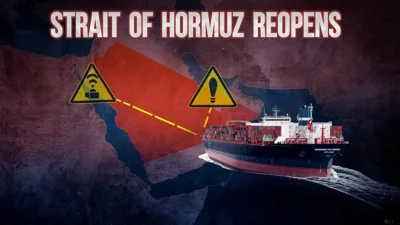
The global financial markets are facing fresh pressure as the United States dollar strengthens amid rising tensions in the Middle East. The situation has become more serious after disruptions in the Strait of Hormuz, one of the world’s most important shipping routes for oil.
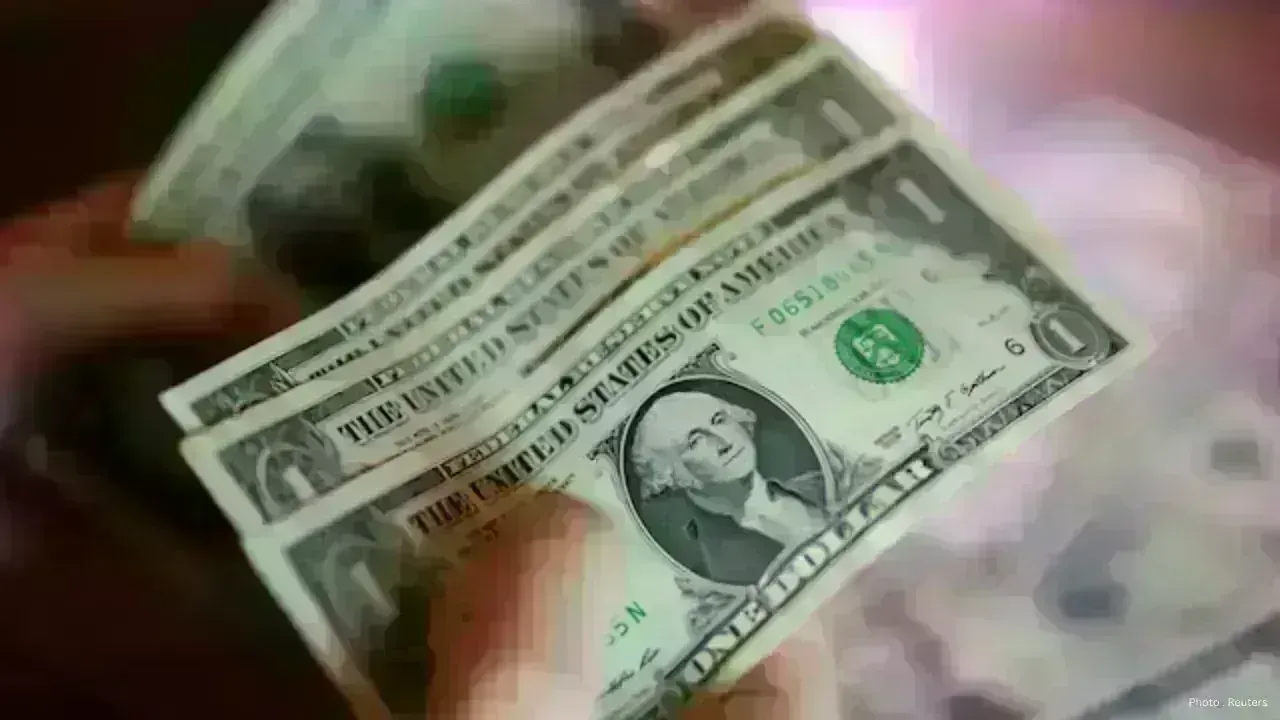
Recent developments show that investors are moving their money into safer assets like the U.S. dollar. This shift usually happens during times of uncertainty or conflict. As a result, the dollar has reached its highest level in about a week against major global currencies.
The rise in the dollar comes at a time when tensions between the United States and Iran have increased again. The conflict has already affected global trade and energy supply. One major trigger was the seizure of an Iranian cargo ship by the United States, which led to strong reactions from Iran and raised fears of further escalation.
The situation has also impacted the Strait of Hormuz, a narrow waterway through which nearly 20% of the world’s oil supply passes. Any disruption here has immediate effects on global markets. Shipping activity has slowed, and in some cases, routes have been blocked or restricted.
As a result, oil prices have risen sharply. Reports show that crude oil prices have increased by more than 5% to 6% in recent days due to fears of supply shortages. Higher oil prices often lead to increased costs for transportation, production, and daily living around the world.
The stronger dollar has also affected other markets. Gold prices, which are usually seen as a safe investment, have fallen because a stronger dollar makes gold more expensive for buyers using other currencies. This shows how closely different parts of the global economy are connected.
Stock markets have reacted with mixed signals. Some markets have fallen due to uncertainty, while others have shown stability. Investors are carefully watching the situation, trying to understand whether the conflict will grow or move toward a peaceful solution.
Experts say that even though the market reaction has been noticeable, it is still controlled. Many investors believe that there is still a chance for talks between the United States and Iran, which could help reduce tensions. However, if the situation worsens, the impact on the global economy could become much larger.
The importance of the Strait of Hormuz cannot be overstated. It is a major link between oil-producing countries in the Middle East and the rest of the world. When this route is affected, it creates a chain reaction across global markets, from energy prices to currency values.
This crisis also highlights how geopolitical events influence financial systems. A single event in one region can quickly affect currencies, stock markets, and everyday costs worldwide. It shows how closely connected today’s global economy has become.
The coming days will be crucial in determining how the situation develops. If tensions ease and trade routes reopen, markets may stabilize. However, continued conflict could push oil prices higher, strengthen the dollar further, and create more uncertainty in the global economy.





Price Increase for Sony PS5 in Southeast Asia Effective May 1
Sony announces a price increase for the PS5 across Southeast Asia starting May 1, 2026, impacting ga

Potential ‘Super El Niño’ in 2026: Understanding the Climate Risks
Could a Super El Niño emerge in 2026? Discover its implications and potential global climate impacts

Global Energy Crisis Intensifies: Markets React to Oil Supply Challenges
Markets are on edge as oil disruptions escalate, influencing prices and economic stability. Explore

Must-See Tourist Spots in London You Can't Overlook
Explore London's essential attractions, from royal landmarks to vibrant markets, ensuring an unforge

Ultimate Guide to Snagging Cheap Flights in 2026
Unlock the secrets to booking affordable flights in 2026 with insightful tips and strategies tailore

The Impact of Consistent Small Investments on Wealth Building
Discover how investing small amounts regularly can positively transform your financial future over t