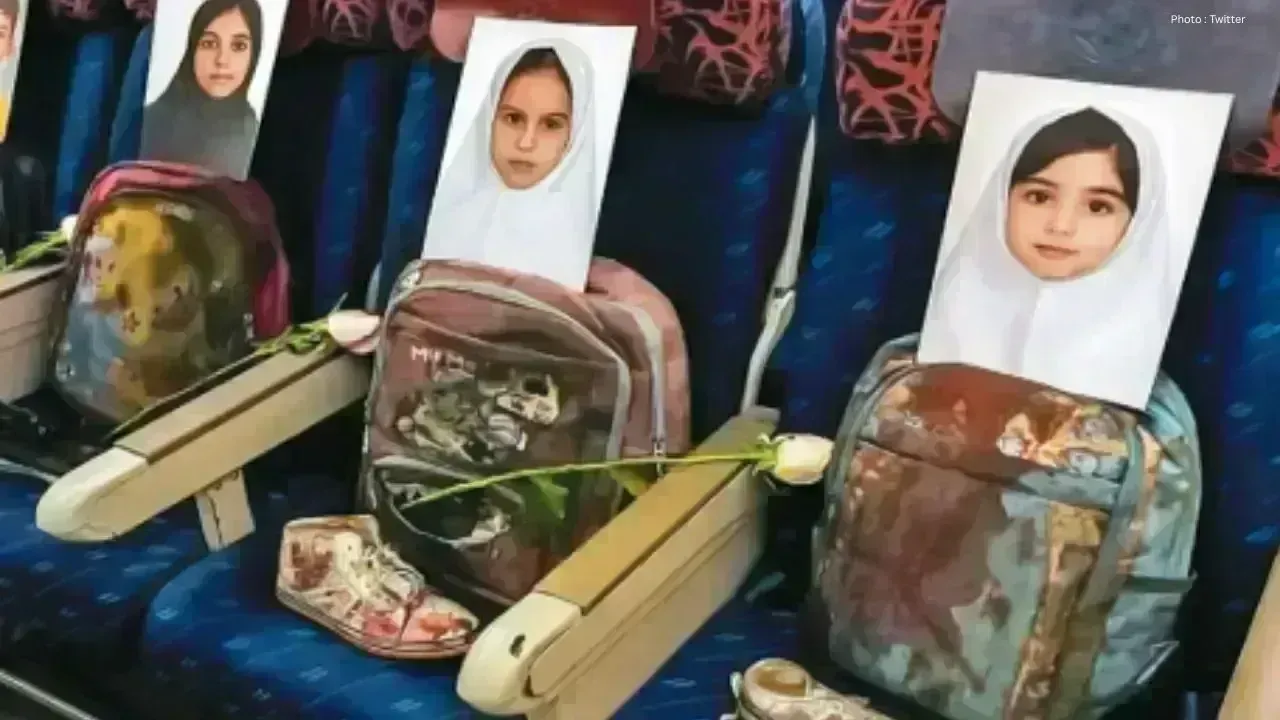
Post by : Shweta
The ongoing turmoil in West Asia has sparked significant skepticism about the potential for enduring peace in the region. Following months marked by military confrontations, ineffective diplomatic initiatives, and escalating political strains, various analysts are asserting that the area finds itself at an “unyielding stalemate,” where neither party demonstrates willingness to make the necessary compromises for resolution. The ongoing conflict involving Iran, Israel, the United States, and various regional factions has plunged the Middle East into one of its most precarious episodes in recent times. (outlookindia.com)
Tensions escalated earlier this year as U.S. and Israeli military actions targeted Iranian installations, provoking Iran to respond with missile strikes, drone maneuvers, and mounting regional pressure through allied armed groups. Diplomatic dialogues that involve international mediators, Gulf nations, and global institutions have continually failed to yield a sustainable accord. Analysts highlight that the opposing sides remain starkly divided on vital issues, including Iran’s nuclear agenda, sanctions, regional security, and military deployments in Gulf territory. (reuters.com)
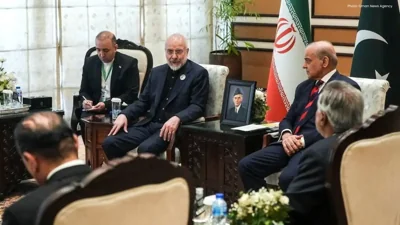
Recent peace discussions have concluded without any notable progress. Reports indicate that the United States advocated for stricter curbs on Iran's nuclear and missile initiatives, while Iran demanded the lifting of sanctions and cessation of military pressure prior to agreeing to broader terms. This impasse has induced a diplomatic deadlock that experts regard as increasingly challenging to navigate. (axios.com)
The situation has become increasingly hazardous due to an uptick in military operations across the region. Actions such as naval blockades, missile strikes, and cyber operations extend tensions beyond immediate battlegrounds. The Strait of Hormuz, a critical oil shipping lane, faces heightened security concerns as anxiety over a broader conflict continues impacting global energy markets. Oil prices have surged during this crisis, escalating inflation fears internationally. (reuters.com)
Regional nations are grappling with the fallout from this conflict. Gulf states like Saudi Arabia, Qatar, the UAE, and Bahrain are striving to maintain their security alliances with the U.S. while steering clear from direct confrontations with Iran. Concurrently, humanitarian groups warn that populations in several areas of West Asia are enduring worsening hardships due to compromised infrastructure, displacements, and economic instability. (outlookindia.com)
International agencies like the United Nations have persistently urged for moderation and renewed dialog efforts. UN Secretary-General António Guterres has cautioned that the region could veer toward a broader and more devastating conflict if diplomatic venues completely collapse. However, political trust among the primary parties remains exceedingly fragile. (un.org)
Analysts suggest that a chief obstacle is the perception that all involved view the conflict as intertwined with long-term security and political viability. Israel perceives Iran’s regional sway and nuclear ambitions as a significant danger, whereas Iran interprets Western military pressure as an effort to undermine its standing in the Middle East. Meanwhile, the United States continues to back military and economic measures while vocally endorsing negotiations. These conflicting aims complicate any potential for compromise. (foreignpolicy.com)
This war has also revealed internal divisions within major nations embroiled in the upheaval. In the United States, lawmakers are actively debating the financial implications and legal authority surrounding military actions against Iran. In both Israel and Iran, domestic political pressure has surged as citizens confront economic difficulties and security threats linked to the ongoing hostilities. (theguardian.com)
Many political analysts now express concern that the region may enter a prolonged phase of instability rather than securing a swift peace. Some experts draw parallels between the current scenario and previous extended Middle Eastern disputes where temporary ceasefires failed to address underlying political conflicts. Without substantial diplomatic breakthroughs, the present tensions could continue to influence global security, energy markets, and regional stability for extended periods. (carnegieendowment.org)
As combat, political distrust, and economic pressures perpetuate, the aspiration for lasting peace in West Asia increasingly appears uncertain. While global leaders persist in advocating for dialogue and negotiation, the region remains ensnared in a perilous cycle of conflict, where peace resembles a distant dream rather than an achievable goal. (outlookindia.com)








DAE Achieves Remarkable Growth in Q1 2026 With Record Revenue
Dubai Aerospace Enterprise announces impressive financial results for Q1 2026, reflecting a surge in

Price Increase for Sony PS5 in Southeast Asia Effective May 1
Sony announces a price increase for the PS5 across Southeast Asia starting May 1, 2026, impacting ga

Potential ‘Super El Niño’ in 2026: Understanding the Climate Risks
Could a Super El Niño emerge in 2026? Discover its implications and potential global climate impacts

Global Energy Crisis Intensifies: Markets React to Oil Supply Challenges
Markets are on edge as oil disruptions escalate, influencing prices and economic stability. Explore

Must-See Tourist Spots in London You Can't Overlook
Explore London's essential attractions, from royal landmarks to vibrant markets, ensuring an unforge

Ultimate Guide to Snagging Cheap Flights in 2026
Unlock the secrets to booking affordable flights in 2026 with insightful tips and strategies tailore




