Post by : Sami Jeet
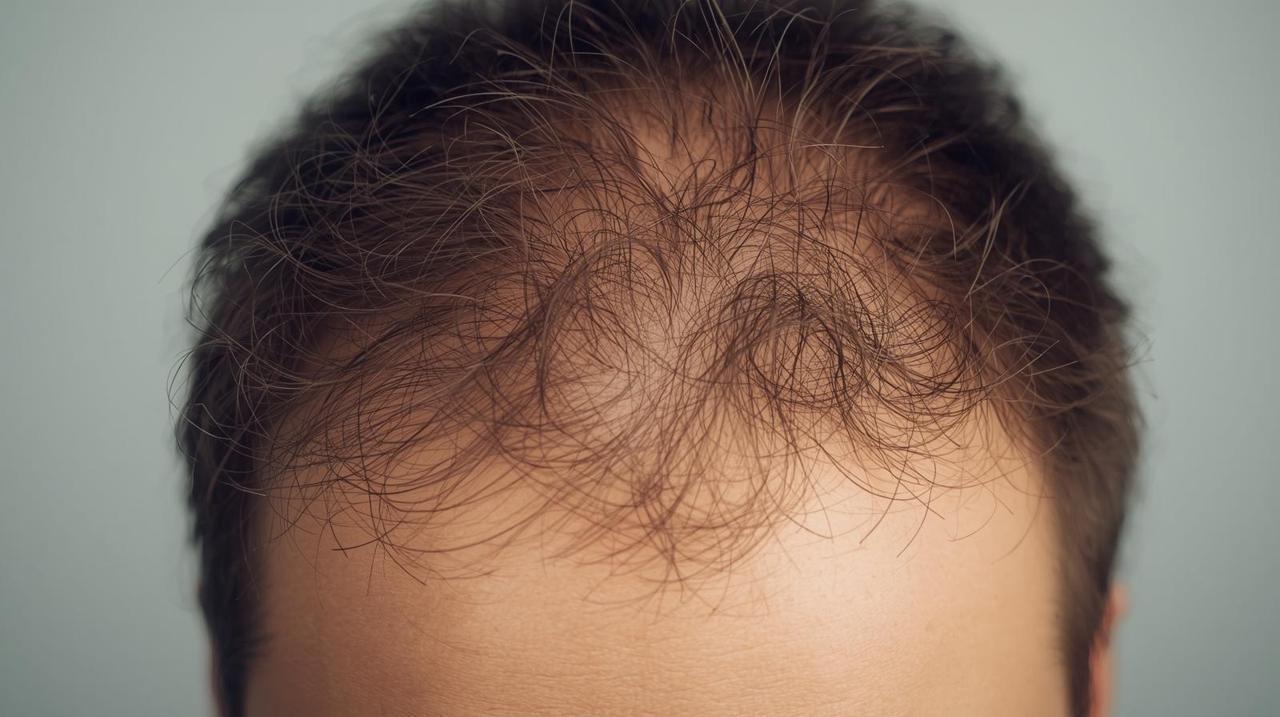
Hair loss can stem from various reasons—stress, diet, genetics, or hormonal changes—but a significant cause often goes unnoticed: hard water. If you’re experiencing persistent shedding, a dry scalp, or rough hair, the minerals in your water supply may be harming your hair daily. Hard water, rich in calcium and magnesium, attaches to your hair and scalp, weakening roots, clogging follicles, and limiting moisture absorption. This article delves into how hard water impacts hair loss, how to recognize its effects, and what steps you can take to protect your locks.
Minerals in hard water accumulate on your scalp and hair, forming a barrier that obstructs moisture and nutrient absorption.
Calcium buildup clogs hair follicles, while magnesium strips essential oils, leading to dryness. Mineral deposits can stiffen hair, causing breakage and increasing inflammation on the scalp.
An unhealthy scalp inhibits your hair's growth cycle, resulting in thinning and shedding.
People often attribute their hair troubles to shampoos or health issues, yet hard water symptoms are typically distinct.
Hair may feel dry and straw-like post-conditioning. It breaks easily during combing. An itchy or flaky scalp, poor lathering of shampoo, dull hair appearance, and rapid fading of color-treated hair are significant indicators.
If several of these apply, hard water could very well be the culprit.
The minerals in hard water cling to the hair follicles, keeping the cuticles open and rough.
Your hair becomes more porous, causing rapid moisture loss. Increased split ends and weakened hair structure occur as nutrients struggle to penetrate.
Over time, this compromises the hair strand from root to tip.
When calcium builds up in the follicles, new hair lacks the strength or thickness to grow properly.
Your natural growth cycle could slow, leading to thinner new hair. Some follicles might shrink completely, resulting in chronic shedding.
This explains why residents in hard water regions often face persistent hair thinning.
Identifying hard water in your area before seeking a solution is crucial.
Soap Test: If soap hardly lathers and leaves a film on your hands, your water is likely hard. Look for white stains on taps and tiles, and if hair remains coarse post-conditioning.
If you reside in an area known for hard water, those signs might be sufficient, though a lab test or TDS meter provides a precise analysis.
You don’t need a complete lifestyle overhaul—small tweaks can protect your hair.
A high-quality filter can effectively remove chlorine, calcium, and magnesium, softening your water and minimizing mineral accumulation.
This is the most effective long-term solution, treating water hardness at its source.
Using apple cider vinegar, lemon water, or citric acid weekly can help dissolve mineral deposits.
Select shampoos that incorporate EDTA or chelating agents for effective residue removal.
As hard water strips your hair of moisture, weekly nourishing masks will help restore softness.
Oils like argan, sweet almond, or grapeseed can provide a protective barrier against mineral exposure.
Certain ingredients are particularly effective for dealing with mineral-laden water.
Niacinamide for strengthening the scalp, EDTA for removing deposits, Vitamin E for moisture restoration, hyaluronic acid for hydration, and coconut oil for a protective coat.
These components are instrumental in rebuilding hair health and improving texture.
Consistent care is key to restoring damaged hair, and the payoff is invaluable.
Clarifying weekly helps eliminate mineral buildup. Frequent hydration masks are beneficial. It’s best to avoid heavy styling products that may complicate mineral interactions. Employing leave-in treatments can also safeguard your hair.
By maintaining a balanced routine, you can minimize breakage and promote robust regrowth.
Should hair loss continue even after addressing water quality, it might signal another issue.
Hair sheds in clumps; bald patches form; the scalp becomes painful or excessively flaky; and hair loss extends beyond three months.
A dermatologist could provide advanced care options such as serums, peptides, or PRP treatments if necessary.
Hard water is a frequently overlooked factor in chronic hair loss. It can silently undermine your scalp health, weaken your hair's roots, and dry your strands over time. By recognizing early warning signs and implementing appropriate solutions—filters, clarifying treatments, hydration routines—you can reverse damage and restore the health of your hair. With consistent effort, even those living in hard water regions can enjoy softer, more resilient hair.
This article offers general insights into the impact of hard water on hair health. It should not replace professional medical advice, diagnosis, or treatment. Results may vary based on individual hair type, water quality, and health conditions. Always consult a qualified dermatologist or healthcare provider for personalized concerns.










Anticipated Dates for UAE Eid Al Adha 2026 Unveiled by Astronomical Experts
Experts predict Eid Al Adha 2026 in the UAE to start on May 27, prompting early holiday planning amo

DAE Achieves Remarkable Growth in Q1 2026 With Record Revenue
Dubai Aerospace Enterprise announces impressive financial results for Q1 2026, reflecting a surge in

Price Increase for Sony PS5 in Southeast Asia Effective May 1
Sony announces a price increase for the PS5 across Southeast Asia starting May 1, 2026, impacting ga

Potential ‘Super El Niño’ in 2026: Understanding the Climate Risks
Could a Super El Niño emerge in 2026? Discover its implications and potential global climate impacts

Global Energy Crisis Intensifies: Markets React to Oil Supply Challenges
Markets are on edge as oil disruptions escalate, influencing prices and economic stability. Explore

Must-See Tourist Spots in London You Can't Overlook
Explore London's essential attractions, from royal landmarks to vibrant markets, ensuring an unforge




