Post by : Bianca Suleiman
The UK’s financial landscape is facing increased scrutiny after new data shows that government borrowing reached £17.4 billion in October, exceeding economists’ predictions. Although this figure is slightly lower than last year, it stands as the third-highest borrowing level recorded for the month of October.
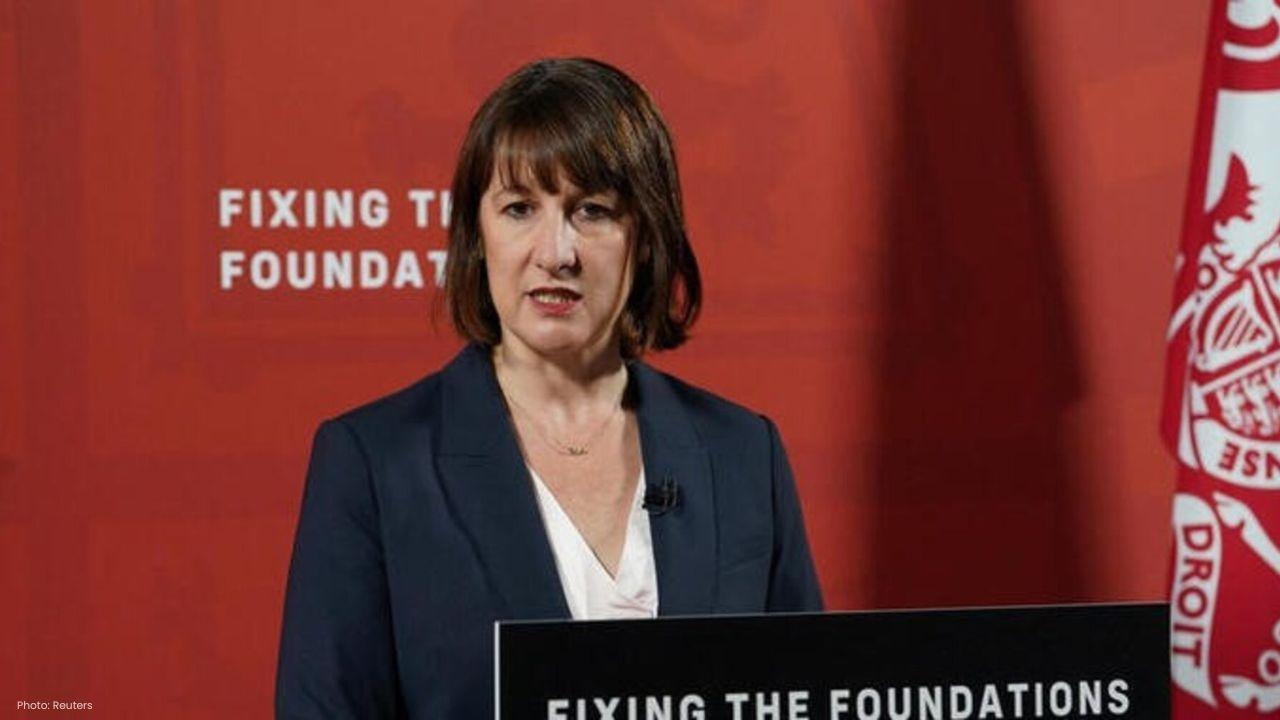
In total, borrowing over the first seven months of this financial year has reached £116.8 billion, which is approximately 3.9% of the UK’s economic activity. This amount is £9.9 billion higher than the estimates provided by the Office for Budget Responsibility (OBR) earlier in the year, indicating a mounting challenge for Chancellor Rachel Reeves as she prepares for the Budget announcement on November 26.
The rise in borrowing can be attributed to increased government spending, though this is partially balanced by a rise in tax revenues. National Insurance contributions have surged by £2.8 billion compared to last year, totaling £16.9 billion. However, public sector net debt now stands at £2.77 trillion, making up nearly 90% of the GDP—levels not seen since the early 1960s.
Interest payments on government debt slightly decreased last month to £8.4 billion, attributed to declining inflation rates; however, this still constitutes a significant burden on taxpayer funds. Treasury officials have indicated that the forthcoming Budget will concentrate on methods to curb both borrowing and the costs of debt.
Experts caution that failing to implement stricter spending controls may result in borrowing exceeding forecasts by around £10 billion this year, pushing the deficit closer to 5% of GDP. Given the limited leeway within fiscal regulations, there are suggestions that the government might consider a series of smaller tax measures instead of a broad income tax hike.
As the Budget announcement approaches, eyes are on how the government intends to tackle this financial shortfall while also maintaining a commitment to public investment and fiscal discipline.










Price Increase for Sony PS5 in Southeast Asia Effective May 1
Sony announces a price increase for the PS5 across Southeast Asia starting May 1, 2026, impacting ga

Potential ‘Super El Niño’ in 2026: Understanding the Climate Risks
Could a Super El Niño emerge in 2026? Discover its implications and potential global climate impacts

Global Energy Crisis Intensifies: Markets React to Oil Supply Challenges
Markets are on edge as oil disruptions escalate, influencing prices and economic stability. Explore

Must-See Tourist Spots in London You Can't Overlook
Explore London's essential attractions, from royal landmarks to vibrant markets, ensuring an unforge

Ultimate Guide to Snagging Cheap Flights in 2026
Unlock the secrets to booking affordable flights in 2026 with insightful tips and strategies tailore

The Impact of Consistent Small Investments on Wealth Building
Discover how investing small amounts regularly can positively transform your financial future over t