Post by : Priya
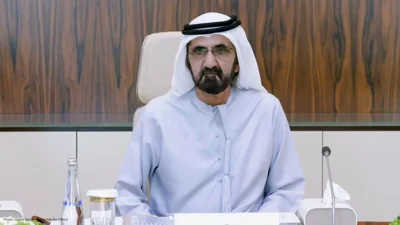
Photo:Reuters
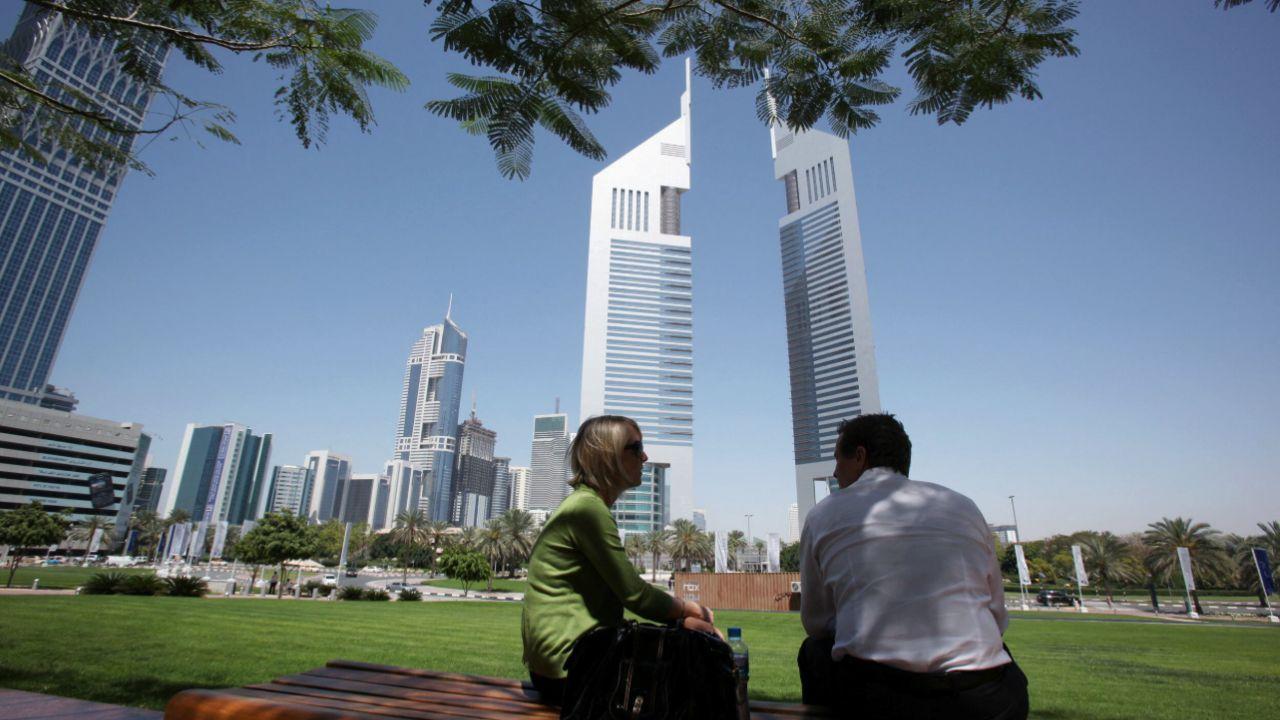
The United Arab Emirates (UAE), a global hub for architecture, innovation, and urban development, has taken a bold and necessary step to make green building codes mandatory across the country. This move marks a major turning point in the nation’s efforts to combat climate change, save energy, reduce pollution, and ensure a sustainable future for generations to come.
The new regulations, which require all new buildings to follow eco-friendly construction practices, reflect the UAE’s vision for smart growth that supports both economic progress and environmental responsibility. From skyscrapers to schools, and from villas to shopping malls, every new construction project in the UAE must now comply with strict environmental standards.
Understanding Green Building Codes
What Are Green Building Codes?
Green building codes are a set of rules and guidelines that promote environmentally responsible construction. These codes aim to reduce the negative impact of buildings on the environment and human health by encouraging the use of energy-efficient systems, sustainable materials, water-saving technologies, and proper waste management practices.
These codes focus on:
Using less electricity and water
Improving indoor air quality
Using renewable energy like solar power
Managing waste during and after construction
Building in a way that suits the climate and environment
Examples of Green Building Features
The goal is to build structures that are not just modern and beautiful but also sustainable and healthy for people and the planet.
Why the UAE Is Taking This Step
1. High Energy Consumption
Due to the extremely hot climate, buildings in the UAE use large amounts of electricity, especially for air conditioning. According to reports, around 70% of electricity in some UAE cities is used for cooling alone. This leads to high carbon emissions, increased energy bills, and pressure on the national electricity grid.
Green building codes will help reduce this energy demand by promoting better insulation, smarter design, and the use of renewable energy.
2. Climate Change and Environmental Goals
The UAE is highly vulnerable to the effects of climate change. Rising temperatures, water scarcity, and increased dust storms are already affecting everyday life. By making green building codes mandatory, the UAE is aligning with its Net Zero 2050 strategy, which aims to bring down greenhouse gas emissions to zero by the middle of the century.
This decision also supports international agreements such as the Paris Climate Accord, where countries commit to reducing global warming.
3. Hosting COP28 and Global Leadership
In 2023, the UAE hosted COP28, the United Nations Climate Change Conference. The event brought global attention to the region and strengthened the country’s role as a climate leader in the Middle East. Making green building codes mandatory now shows that the UAE is not just talking about climate action—but is taking real steps.
4. Long-Term Economic Benefits
While green construction may seem expensive at first, it saves money in the long run. Buildings that use less energy and water cost less to operate. They also have higher property values and attract tenants and buyers who care about sustainability.
What the New Rules Mean
The new law requires that:
The rules apply to:
Even government housing projects and infrastructure developments must follow these new green requirements.
Impact on Key Sectors
1. Real Estate and Construction
The construction sector is likely to see changes in how projects are planned, designed, and built. Builders will need to:
This may increase upfront costs by around 5–10%, but most developers believe it’s worth the investment.
2. Energy and Utilities
Energy companies are expected to benefit from reduced load on the power grid. As buildings use less electricity, the demand for traditional energy sources like gas and oil will decrease. At the same time, the demand for solar energy systems will increase, opening new markets.
3. Environment and Public Health
Green buildings improve air quality, reduce heat island effects, and help control indoor temperatures naturally. This leads to:
Green buildings also create less waste and use less water, which is especially important in the UAE’s dry climate.





DAE Achieves Remarkable Growth in Q1 2026 With Record Revenue
Dubai Aerospace Enterprise announces impressive financial results for Q1 2026, reflecting a surge in

Price Increase for Sony PS5 in Southeast Asia Effective May 1
Sony announces a price increase for the PS5 across Southeast Asia starting May 1, 2026, impacting ga

Potential ‘Super El Niño’ in 2026: Understanding the Climate Risks
Could a Super El Niño emerge in 2026? Discover its implications and potential global climate impacts

Global Energy Crisis Intensifies: Markets React to Oil Supply Challenges
Markets are on edge as oil disruptions escalate, influencing prices and economic stability. Explore

Must-See Tourist Spots in London You Can't Overlook
Explore London's essential attractions, from royal landmarks to vibrant markets, ensuring an unforge

Ultimate Guide to Snagging Cheap Flights in 2026
Unlock the secrets to booking affordable flights in 2026 with insightful tips and strategies tailore




