Post by : Raina Nasser
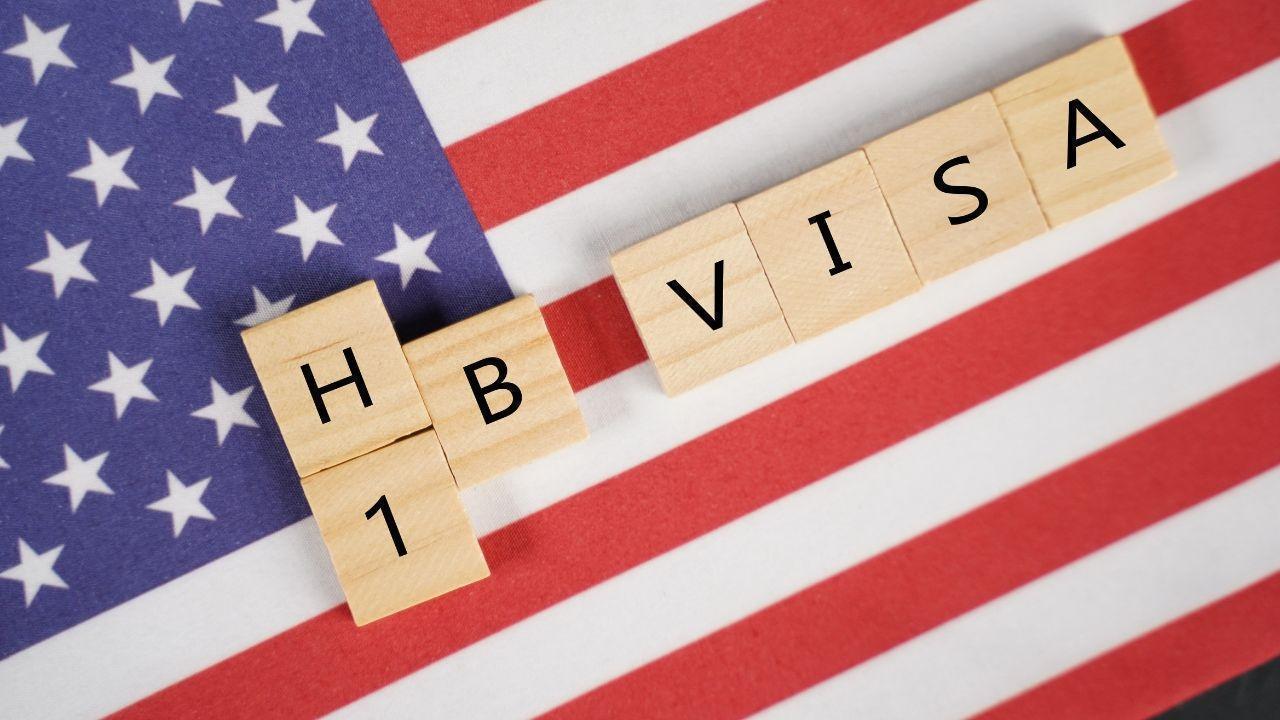
Washington, D.C. – The Trump administration has unveiled a fresh strategy for the H-1B visa program, targeting the temporary influx of skilled foreign labor to train American workers in high-demand sectors like semiconductors and precision manufacturing.
Treasury Secretary Scott Bessent articulated this initiative during a discussion with Fox News, framing it as a “knowledge transfer” initiative focused on revitalizing critical manufacturing fields that have been outsourced over recent decades. “For the last 20-30 years, we have seen a decline in precision manufacturing jobs... Re-establishing these sectors won’t happen overnight. Our goal is to rejuvenate the semiconductor industry in the U.S., with major facilities planned in Arizona,” Bessent stated.
The revamped H-1B policy permits foreign professionals to work in the U.S. for three, five, or seven years specifically for the purpose of training American employees, with an expectation that these foreign workers will return to their countries after their tenure. “Currently, the job opportunity isn't open to American workers – at least not yet,” Bessent clarified in response to concerns regarding domestic job displacement.
Bringing Home Essential Industries
This policy shift reflects President Trump’s comprehensive economic plan to repatriate essential industries and lessen dependence on imports. The administration anticipates a transfer of skills in advanced manufacturing, technology, and semiconductors from overseas specialists to American workers, thereby fostering long-term job creation and industrial advancement within the United States.
Bessent stressed that this initiative transcends merely filling employment gaps and aims at revitalizing domestic production capabilities: “We haven't produced ships or semiconductors on our soil in years. Bringing in foreign partners to educate American workers is a huge victory for us.”
New Economic Strategies and Tariff Adjustments
Alongside H-1B reforms, the Trump administration is also contemplating economic initiatives like a proposed USD 2,000 tariff rebate for families with incomes below USD 100,000, ensuring that trade policies confer real advantages to American households. Bessent dubbed this approach a part of a “Parallel Prosperity” vision, facilitating mutual growth for both Wall Street and Main Street, backed by a robust and liquid Treasury market.
The new H-1B visa strategy highlights the administration’s commitment to targeted economic growth, fostering technological independence, and strengthening workforce capabilities, marking a significant pivot from the long-standing reliance on foreign labor.






Price Increase for Sony PS5 in Southeast Asia Effective May 1
Sony announces a price increase for the PS5 across Southeast Asia starting May 1, 2026, impacting ga

Potential ‘Super El Niño’ in 2026: Understanding the Climate Risks
Could a Super El Niño emerge in 2026? Discover its implications and potential global climate impacts

Global Energy Crisis Intensifies: Markets React to Oil Supply Challenges
Markets are on edge as oil disruptions escalate, influencing prices and economic stability. Explore

Must-See Tourist Spots in London You Can't Overlook
Explore London's essential attractions, from royal landmarks to vibrant markets, ensuring an unforge

Ultimate Guide to Snagging Cheap Flights in 2026
Unlock the secrets to booking affordable flights in 2026 with insightful tips and strategies tailore

The Impact of Consistent Small Investments on Wealth Building
Discover how investing small amounts regularly can positively transform your financial future over t