Post by : Saif Nasser
The conflict between the United States, Israel, and Iran has taken a more dangerous turn after U.S. President Donald Trump rejected the idea of negotiating a settlement with Tehran. Instead of supporting peace talks or mediation, Trump suggested that the war might only end if Iran’s leadership structure is completely removed. His remarks have raised serious concerns among world leaders and analysts who fear the conflict could expand into a much wider regional war.
The fighting between the sides has already entered its second week and has caused heavy destruction across the Middle East. Missile strikes, drone attacks, and air raids have affected military bases, infrastructure, and in some cases civilian areas. The conflict has quickly moved beyond a limited confrontation and now involves multiple countries and military forces operating across the region.
President Trump made his position clear when asked about the possibility of negotiations with Iran. He rejected the idea of settling the conflict through diplomatic talks and instead emphasized continued military pressure. According to reports, Trump said the war could only truly end if Iran’s ability to lead and direct its military operations was completely eliminated. His comments were widely interpreted as a signal that the United States might be aiming to dismantle Iran’s ruling leadership rather than simply forcing it to negotiate a cease-fire.
This stance marks a significant shift away from earlier diplomatic approaches that some international leaders hoped could stop the violence. Several countries had quietly encouraged back-channel discussions to reduce tensions. However, Trump’s comments suggest that Washington is not currently interested in compromise or mediation.
The war itself has rapidly expanded across the Middle East. Iran has launched retaliatory missile and drone attacks on U.S. military bases and allied facilities in several Gulf countries, including Bahrain, Kuwait, and Saudi Arabia. Some attacks have also targeted strategic energy facilities, raising fears about disruptions to global oil supplies. In response, the United States and Israel have carried out a series of airstrikes on Iranian military sites, weapons facilities, and positions linked to Iranian-backed groups in neighboring countries.
These military operations have created an atmosphere of constant tension across the region. Air defense systems have been activated in several countries as governments attempt to protect important infrastructure and civilian populations. Airports, oil facilities, and military installations have all been placed on high alert as the risk of further attacks remains high.
The conflict has also triggered major political changes inside Iran. During the early days of the war, Iran’s long-time Supreme Leader Ayatollah Ali Khamenei was killed during airstrikes near Tehran that targeted key leadership and military command centers. His death shocked the country and created uncertainty about the future of Iran’s leadership.
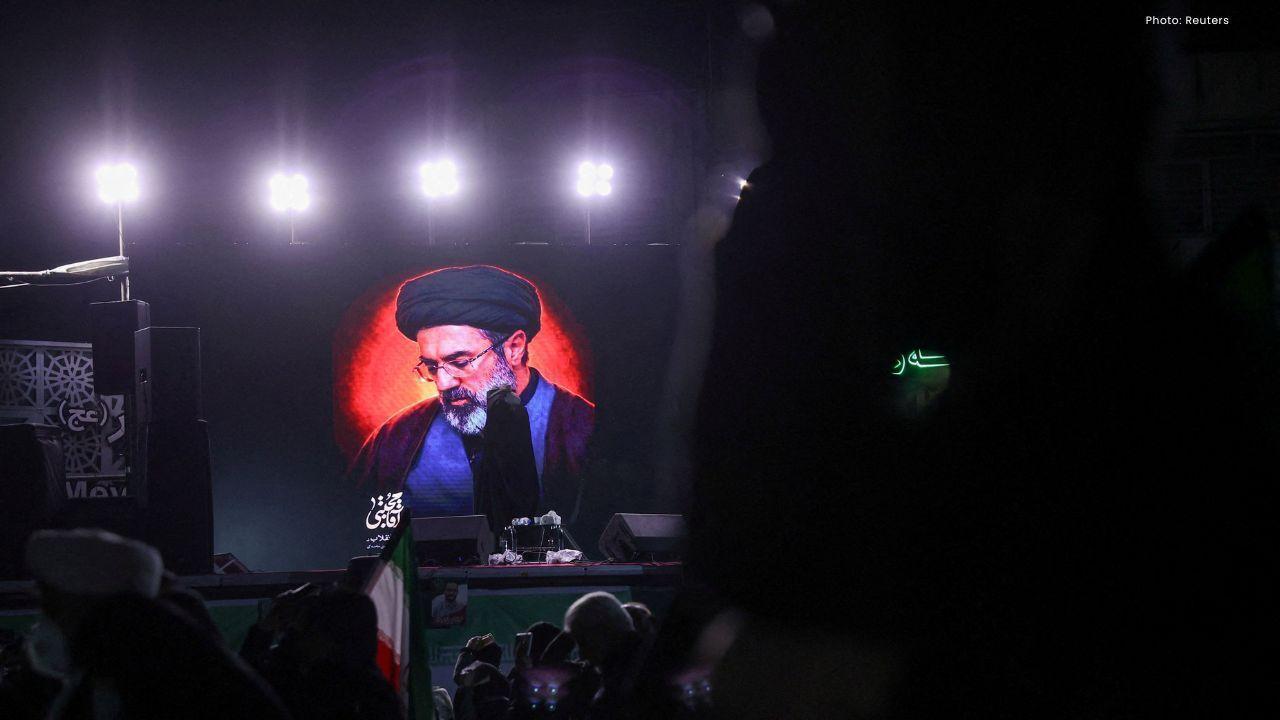
Following this event, Iran quickly moved to appoint a new Supreme Leader. Mojtaba Khamenei, the son of the late leader, was chosen to take over the position. The decision suggests that Iran’s leadership intends to maintain its current political direction and continue resisting outside pressure. Many analysts believe this move was meant to demonstrate stability and unity during a time of war.
At the same time, the conflict continues to escalate militarily. President Trump has hinted that additional steps may still be considered if the war intensifies. Among the possibilities discussed by U.S. officials is the option of deploying American ground troops in the region, although no official announcement has been made about such a move. Even the suggestion of this possibility has raised concern among international observers, who fear that sending ground forces could dramatically expand the scale of the war.
Iranian leaders have also made it clear that they are prepared for a prolonged confrontation. Officials in Tehran have rejected the idea of surrender or accepting demands from Washington. Instead, they have warned that Iran will continue defending itself and responding to attacks if the conflict continues. Some Iranian officials have even stated that the country is ready to face a full-scale invasion if it becomes necessary.
These strong positions on both sides have made the chances of a quick diplomatic solution increasingly unlikely. Without negotiations or mediation, the conflict could continue for weeks or even months. Military experts say prolonged fighting could destabilize the entire region and create new security risks far beyond the Middle East.
The international community has reacted with growing concern. Several European leaders have urged all sides to reduce tensions and return to diplomacy before the situation becomes uncontrollable. Some officials have warned that certain military strikes may violate international law and could set dangerous precedents for future conflicts.
Global economic markets are also feeling the effects of the war. Oil prices have risen sharply as investors worry about potential disruptions to energy supplies from the Middle East. The region produces a large share of the world’s oil, and any threat to major production or shipping routes can quickly affect global markets.
The human cost of the conflict is also increasing. Hundreds of civilians have reportedly been killed or injured in attacks across the region. Cities have experienced missile strikes, air raid sirens, and power outages as infrastructure has been damaged. Hospitals and emergency services are under intense pressure as they try to respond to the growing number of casualties.
Humanitarian organizations warn that if the war continues at its current pace, the number of displaced people and civilian deaths could rise dramatically. Families in affected areas are already facing shortages of food, medicine, and safe shelter.
For now, the future of the conflict remains uncertain. The United States and Israel appear determined to weaken Iran’s military and leadership capabilities, while Iran has shown no willingness to surrender or negotiate under pressure. This situation leaves little room for compromise.
Many global observers fear that without a serious diplomatic effort, the war could eventually pull more countries into the conflict and threaten global stability. As tensions continue to rise, the world is watching closely to see whether diplomacy will eventually return or whether the conflict will continue to escalate.





DAE Achieves Remarkable Growth in Q1 2026 With Record Revenue
Dubai Aerospace Enterprise announces impressive financial results for Q1 2026, reflecting a surge in

Price Increase for Sony PS5 in Southeast Asia Effective May 1
Sony announces a price increase for the PS5 across Southeast Asia starting May 1, 2026, impacting ga

Potential ‘Super El Niño’ in 2026: Understanding the Climate Risks
Could a Super El Niño emerge in 2026? Discover its implications and potential global climate impacts

Global Energy Crisis Intensifies: Markets React to Oil Supply Challenges
Markets are on edge as oil disruptions escalate, influencing prices and economic stability. Explore

Must-See Tourist Spots in London You Can't Overlook
Explore London's essential attractions, from royal landmarks to vibrant markets, ensuring an unforge

Ultimate Guide to Snagging Cheap Flights in 2026
Unlock the secrets to booking affordable flights in 2026 with insightful tips and strategies tailore




