Post by : Monika
The Trump administration is exploring the possibility of taking an ownership stake in Critical Metals Corp, the company developing the Tanbreez rare earths mine in southern Greenland. This is part of a broader U.S. strategy to secure essential minerals and reduce reliance on China, which currently controls most of the global rare earths supply.
Rare earth minerals are critical for modern technology and defense, including smartphones, electric vehicles, wind turbines, and missile systems. China dominates the rare earths market, supplying more than 80% of the world’s demand. This dependence has raised concerns about supply disruptions and national security, especially for the United States.
By investing in Tanbreez, the U.S. aims to diversify its sources of rare earths, strengthen its domestic and allied supply chains, and reduce strategic vulnerabilities.
About the Tanbreez Project
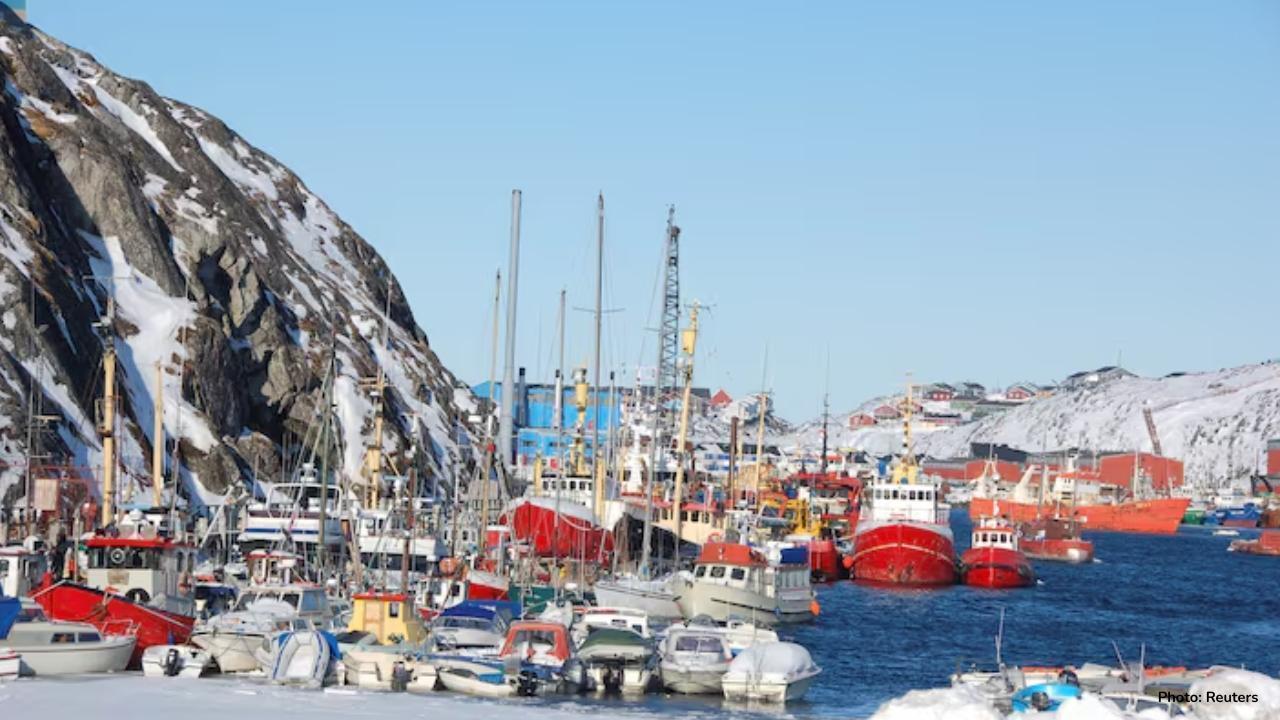
The Tanbreez mine is located in southern Greenland and is one of the largest undeveloped rare earth deposits in the world. The project covers a large area of mineral-rich land and is expected to produce high-quality rare earth concentrate once operational.
Critical Metals Corp acquired the Tanbreez project for $5 million in cash and $211 million in stock. This purchase came after lobbying efforts led by former President Joe Biden convinced Greenland to reject a higher offer from a Chinese company. The mine is projected to cost approximately $290 million to reach full production by 2026 and is expected to produce around 85,000 metric tons of rare earth concentrate annually.
These minerals include neodymium, praseodymium, dysprosium, and terbium, which are essential for high-tech applications, including magnets, batteries, and electronic devices. The project’s development is a significant step toward reducing U.S. dependence on imported rare earths.
U.S. Government Interest
The U.S. government has expressed interest in the Tanbreez project by discussing a potential equity stake in Critical Metals Corp. The goal is to ensure the United States has direct access to a stable supply of rare earths.
The U.S. Export-Import Bank is also reportedly considering a $120 million loan to support the development of the mine. This financial support would help Critical Metals Corp complete infrastructure, extraction facilities, and production operations.
Officials in the U.S. view this as a strategic investment that strengthens the country’s supply chain, reduces dependence on China, and ensures that essential minerals for defense and technology are secured.
Strategic Importance of Rare Earth Minerals
Rare earth minerals are not rare in terms of availability, but they are challenging to extract and process economically. They are essential in producing many modern technologies, including:
Currently, China dominates the production and processing of these minerals, controlling more than 80% of the global supply chain. This monopoly creates vulnerability for countries like the U.S., which rely heavily on imports for defense and technology industries.
Investing in Tanbreez would give the U.S. direct access to a new source of critical minerals, helping reduce strategic dependence on China and supporting domestic and allied technological industries.
Challenges of Developing Tanbreez Mine
Despite the strategic importance, developing the Tanbreez mine is not without challenges.
Environmental Concerns: Mining activities in Greenland must meet strict environmental regulations. Greenland’s fragile ecosystem requires careful planning to avoid negative impacts on wildlife, water, and land.
Remote Location: The mine is in a remote area of Greenland, far from ports and infrastructure. Building roads, ports, and facilities for processing rare earths is logistically challenging and costly.
Political and Regulatory Hurdles: Greenland has its own government and regulations for foreign investment and mining activities. Approvals and permits may take time, and political changes could affect the project.
Financing and Investment: While the U.S. Export-Import Bank may provide loans, the project still requires careful financial planning to ensure profitability and sustainability.
Despite these challenges, the strategic importance of the project outweighs the difficulties. Securing a domestic or allied source of rare earth minerals is seen as critical for economic and national security.
Economic and Geopolitical Benefits
Developing the Tanbreez project has several economic and geopolitical benefits for the United States:
Diversified Supply Chain: By investing in Greenland, the U.S. reduces reliance on China and creates a more secure supply chain for rare earth minerals.
Job Creation and Industry Growth: The project will create jobs in mining, engineering, transportation, and processing industries. It will also stimulate related sectors such as technology, defense, and renewable energy.
Strengthening Alliances: Investing in Greenland strengthens U.S. relations with Greenland and Denmark, supporting broader geopolitical interests in the Arctic region.
National Security: Securing a reliable supply of rare earths ensures that critical defense and technology industries are not vulnerable to supply disruptions.
Global Leadership in Clean Technology: Rare earths are essential for electric vehicles and renewable energy. By investing in Tanbreez, the U.S. supports its transition to clean energy and sustainable technology leadership.
Greenland’s Role in Global Rare Earth Supply
Greenland is emerging as a key player in the global rare earth market. Its vast reserves of high-quality rare earth minerals make it attractive to countries seeking to diversify away from China.
The U.S. investment would not only secure access to minerals but also give Greenland economic benefits through foreign investment, technology transfer, and employment opportunities.
Greenland’s government has been cautious about Chinese investment in strategic sectors, signaling openness to U.S. and allied involvement in critical projects. This provides an opportunity for long-term partnerships in mining and technology development.
International Implications
China’s dominance of rare earths has global economic and political implications. China has previously used its control over rare earths as leverage in trade disputes, highlighting the strategic risks of overdependence.
By investing in Greenland, the U.S. signals to allies and competitors that it is serious about securing supply chains for critical minerals. This move could encourage other countries to invest in alternative sources, reducing global reliance on China.
The project could also influence global pricing, supply agreements, and international trade patterns in rare earths. Countries like Japan, South Korea, and European nations may benefit from U.S. and Greenland collaboration.
Future Outlook
The Tanbreez project is expected to reach full production by 2026. Once operational, it will produce around 85,000 metric tons of rare earth concentrate annually, supplying critical materials for U.S. industries.
The Trump administration’s potential investment demonstrates long-term strategic planning. By securing a stake in Critical Metals Corp, the U.S. ensures that future technological and defense industries have access to essential raw materials.
In the coming years, the success of Tanbreez will depend on efficient mining practices, environmental compliance, geopolitical stability, and market demand for rare earths.
The Trump administration’s consideration of an investment in Greenland’s Tanbreez rare earths project is a significant step in securing U.S. access to critical minerals. This strategic move aims to reduce reliance on China, strengthen domestic supply chains, and support national security.
Despite challenges such as environmental concerns, logistical difficulties, and regulatory hurdles, the potential economic, technological, and geopolitical benefits are substantial.
By investing in the Tanbreez project, the United States is positioning itself for leadership in critical mineral production, clean energy technology, and national security. Greenland’s emerging role as a rare earth supplier creates an opportunity for collaboration, economic growth, and strategic advantage in the global market.
The development of the Tanbreez mine represents a major step toward securing the materials needed for a technologically advanced and economically secure future. It highlights the importance of strategic investments in critical minerals and the growing role of Greenland in the global supply chain.









DAE Achieves Remarkable Growth in Q1 2026 With Record Revenue
Dubai Aerospace Enterprise announces impressive financial results for Q1 2026, reflecting a surge in

Price Increase for Sony PS5 in Southeast Asia Effective May 1
Sony announces a price increase for the PS5 across Southeast Asia starting May 1, 2026, impacting ga

Potential ‘Super El Niño’ in 2026: Understanding the Climate Risks
Could a Super El Niño emerge in 2026? Discover its implications and potential global climate impacts

Global Energy Crisis Intensifies: Markets React to Oil Supply Challenges
Markets are on edge as oil disruptions escalate, influencing prices and economic stability. Explore

Must-See Tourist Spots in London You Can't Overlook
Explore London's essential attractions, from royal landmarks to vibrant markets, ensuring an unforge

Ultimate Guide to Snagging Cheap Flights in 2026
Unlock the secrets to booking affordable flights in 2026 with insightful tips and strategies tailore




