Post by : Saif Nasser
Ukraine’s recent drone strikes on Russian oil facilities have added a new dimension to the ongoing war, bringing both environmental risks and economic uncertainty into focus. These attacks are no longer limited to military targets but are now aimed at key energy infrastructure, showing a clear shift in strategy.
In recent weeks, several oil refineries and storage sites inside Russia have been targeted by long-range drones. These facilities play a major role in the country’s economy, as oil exports are one of its main sources of income. By attacking these locations, Ukraine is trying to weaken Russia’s financial strength and reduce its ability to support military operations.
Despite the damage caused by these strikes, the overall economic impact remains unclear. Russia continues to export oil in large quantities, and global price increases have helped maintain its revenue. This has reduced the immediate financial pressure that Ukraine hoped to create through these attacks.
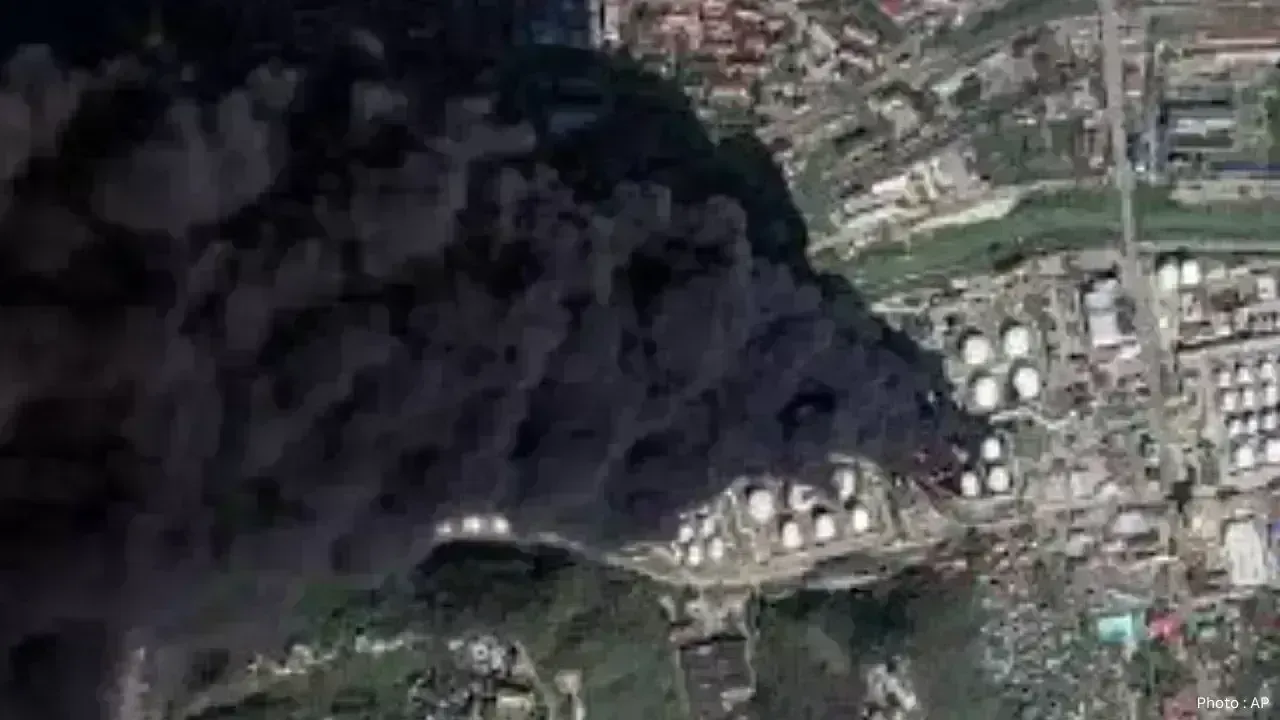
The environmental impact, however, is becoming a serious concern. Fires at oil sites have released heavy smoke into the air, affecting nearby towns and villages. In some areas, oil leaks have polluted land and water sources, creating long-term risks for both people and wildlife. These effects may take years to fully recover.
Local reports suggest that repeated strikes have made conditions worse in certain regions. Air quality has dropped, and pollution levels have increased. Farmers and fishermen are also facing difficulties due to damage to soil and water resources. This shows how the effects of war can go far beyond the battlefield.
The growing use of drones highlights how modern warfare is evolving. These devices can travel long distances and strike targets deep inside enemy territory. This has forced Russia to strengthen its defence systems across a wider area, increasing pressure on its military resources.
At the same time, Russia continues to respond with its own attacks on Ukrainian cities and infrastructure. This ongoing exchange has increased tensions and made the situation more dangerous for civilians on both sides.
The impact of these attacks is also being felt in global energy markets. Any disruption to oil production or transport can affect supply levels, leading to price changes. This creates uncertainty for countries that depend on stable energy supplies.
Another major concern is the long-term environmental damage. Oil spills, toxic smoke, and damaged ecosystems can affect entire regions for many years. Even after the conflict ends, these problems may continue to affect public health and the natural environment.
The situation reflects a broader change in how wars are being fought. Instead of focusing only on military positions, both sides are now targeting economic resources. This strategy may bring short-term gains, but it also increases long-term risks for both countries and the world.
The drone strikes on oil infrastructure show that the conflict is becoming more complex and far-reaching. As the situation develops, its impact will be felt not only in the region but across global markets and environmental systems.









DAE Achieves Remarkable Growth in Q1 2026 With Record Revenue
Dubai Aerospace Enterprise announces impressive financial results for Q1 2026, reflecting a surge in

Price Increase for Sony PS5 in Southeast Asia Effective May 1
Sony announces a price increase for the PS5 across Southeast Asia starting May 1, 2026, impacting ga

Potential ‘Super El Niño’ in 2026: Understanding the Climate Risks
Could a Super El Niño emerge in 2026? Discover its implications and potential global climate impacts

Global Energy Crisis Intensifies: Markets React to Oil Supply Challenges
Markets are on edge as oil disruptions escalate, influencing prices and economic stability. Explore

Must-See Tourist Spots in London You Can't Overlook
Explore London's essential attractions, from royal landmarks to vibrant markets, ensuring an unforge

Ultimate Guide to Snagging Cheap Flights in 2026
Unlock the secrets to booking affordable flights in 2026 with insightful tips and strategies tailore




