Post by : Anees Nasser
Recently, a health advisory prompted travellers to reconsider their preparation routines. It wasn't meant to deter travel but rather to equip individuals with the knowledge and resources to handle both foreseeable and unforeseen circumstances. With the rise of seasonal illnesses, unpredictable weather, and shifts in health guidelines, the advisory stressed the importance of safety, hygiene, and readiness for upcoming travels.
Following the advisory's issuance, travel communities and groups began buzzing with queries:
“Should we wear masks again?”
“What documents are necessary?”
“Are there high-risk regions?”
“How about travel insurance?”
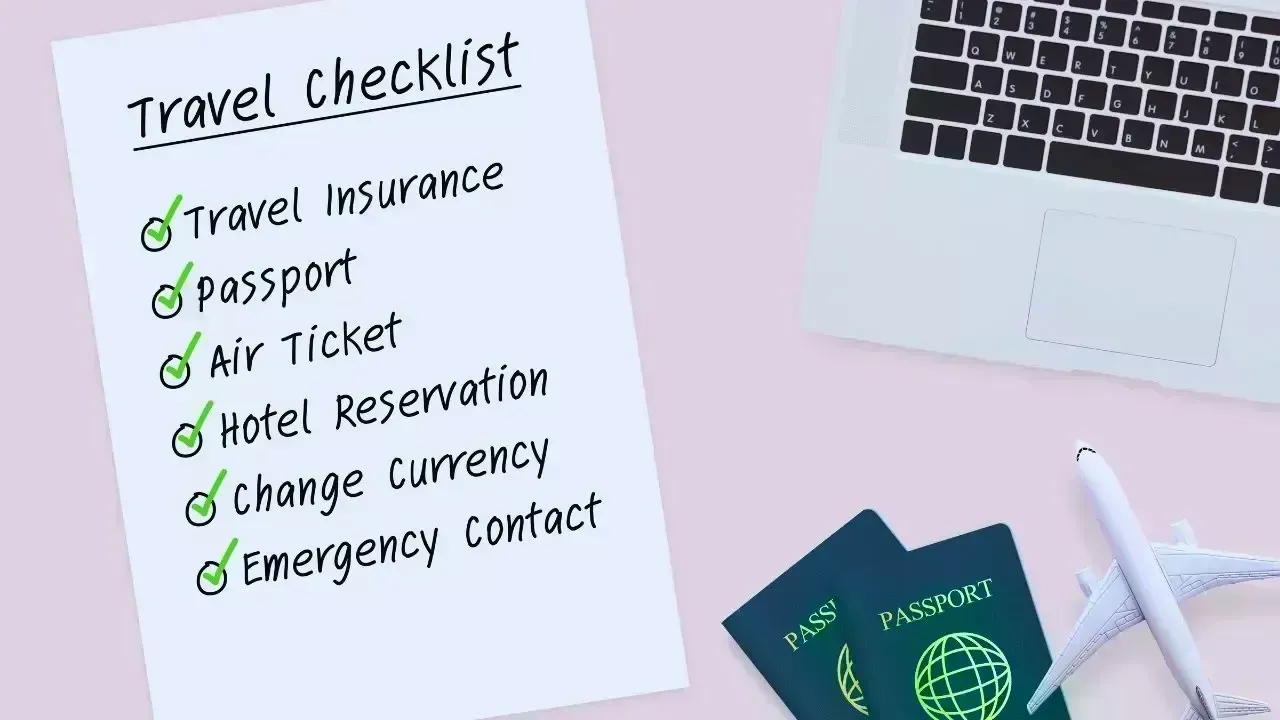
In response, many travellers revamped their pre-travel processes, adopting a focused checklist that aligns with the recent advisory. This article outlines the fundamental steps to help anyone travelling in the coming days stay organized, well-informed, and secure.
The advisory highlighted three main concerns:
There has been an uptick in respiratory and viral infections, prompting travellers to adopt simple yet significant precautions.
Certain areas reported heightened case numbers, resulting in travel guidance recommending vigilance in select locations.
Public areas like airports, transit stations, markets, and attractions were advised to follow updated hygiene standards.
The aim was not to induce fear, but to encourage preparedness.
Travellers began to carry a compact health kit containing items as recommended by the advisory:
Basic over-the-counter drugs
Fever-reducers
Electrolyte packets
Cough candies
Hand sanitizers
Disinfecting wipes
Reusable masks for crowded environments
A small first-aid kit
This ensured travellers could manage minor ailments without the need to search for pharmacies in unfamiliar locales.
The advisory urged travellers to have key health and identity documents prepared, including:
Government-issued ID
Recent prescriptions (if applicable)
Emergency contacts
Digital copies of medical records
Travel insurance details
Any advisory-specific declarations anytime required
Having these documents ready safely reduced check-in times and ensured smoother transitions through various checkpoints.
A commonly embraced step involved conducting a self-check before travelling:
Any fever in the last 48 hours
Current cough or cold symptoms
Unusual fatigue levels
Recent exposure to any unwell individuals
Recent healthcare visits
If feeling ready for travel physically
This was not about limiting travel, but about being responsible and avoiding unnecessary strain.
Travellers checked:
Mask regulations in the area
Capacity limits in public places
Restrictions on events
Local hours of operation
Region-specific safety practices
This foresight helped to avert last-minute surprises and provided a smoother travel experience.
Travellers added personal comfort and hygiene items to their packs this week:
Extra tissues
Travel-sized soaps
Pocket oils for dry environments
Compact towels
Additional masks (optional)
Surface wipes for seating and tray tables
These small comforts made a significant impact in shared spaces and during travels.
Prior to booking or checking in, travellers confirmed:
Rooms are adequately ventilated
High cleanliness ratings
Hygiene practices were being upheld by housekeeping
Drinking water was safe for consumption
Many travellers reached out to their accommodations to clarify these safety measures.
Numerous travelers adjusted their plans to focus on:
Outdoor versus indoor locations
Early morning travel options
Hygienic dining locations
Avoidance of crowded events
This week, individuals prioritized thoughtfulness over impulsiveness.
The advisory underscored the importance of hydration and healthy eating to boost immunity. Travellers adapted by:
Carrying refillable water bottles
Choosing lighter meals
Avoiding raw foods in risk-prone regions
Keeping healthy snacks on hand
Monitoring hydration levels throughout
This approach helped in avoiding fatigue and illness during travels.
The advisory prompted many to review or secure temporary travel insurance, especially beneficial in the context of health advisories. This insurance brought peace of mind for:
Unexpected cancellations
Emergency medical needs
Lost personal belongings
Travel delays
This trend saw a noticeable increase this week.
Travellers didn’t focus solely on physical preparations—they also embraced a flexible mindset. This included:
Anticipating minor changes
Practicing patience with queues and checks
Following guidelines closely
Remaining calm in the face of abrupt changes
Mental preparedness became an invaluable aspect of travel planning.
They prioritized packing:
Additional sanitizers
Thermometers
Children’s medication
Snacks to minimize food-related stops
They highlighted:
Digital records of all necessary documentation
Light, efficient packing
Ensuring safe transport schedules
They underscored the importance of:
Consulting healthcare professionals prior to travel
Bringing all necessary medications
Opting for low-crowd pathways
They focused on:
Essential documentation
Hygiene kits for quick access
Adaptable scheduling
Such tailored approaches ensured that each group maintained safety while enjoying their travels.
Several factors contributed to its widespread adoption:
It addressed genuine concerns
Simplicity in following
Reduced uncertainty
Affordable for all
Aligned perfectly with the advisory
Empowered travellers instead of alarming them
Many recognized that minor adjustments could significantly enhance their travel safety and enjoyment.
This week marked a meaningful transition towards more accountable travel habits. Travellers became:
More vigilant of their environment
More empathetic to others’ needs
More methodical in their plans
More independent in their travels
More health-conscious overall
This trend is expected to continue, as individuals realize the importance of being prepared.
The recent regional health advisory served as a catalyst for improved travel habits. Rather than disrupting plans, it empowered individuals through knowledge and preparation. This essential travel checklist has proven to be an invaluable tool for maintaining safety and assurance while navigating journeys.
In a rapidly changing world, even minor preparations can make a substantial impact. Whether traveling for leisure, work, or emergencies, this guide will ensure your upcoming trip is safe, streamlined, and stress-free.
DISCLAIMER:
This article provides general information based on recent advisories. Travellers should adhere to official health recommendations and seek personalized advice when necessary.








Price Increase for Sony PS5 in Southeast Asia Effective May 1
Sony announces a price increase for the PS5 across Southeast Asia starting May 1, 2026, impacting ga

Potential ‘Super El Niño’ in 2026: Understanding the Climate Risks
Could a Super El Niño emerge in 2026? Discover its implications and potential global climate impacts

Global Energy Crisis Intensifies: Markets React to Oil Supply Challenges
Markets are on edge as oil disruptions escalate, influencing prices and economic stability. Explore

Must-See Tourist Spots in London You Can't Overlook
Explore London's essential attractions, from royal landmarks to vibrant markets, ensuring an unforge

Ultimate Guide to Snagging Cheap Flights in 2026
Unlock the secrets to booking affordable flights in 2026 with insightful tips and strategies tailore

The Impact of Consistent Small Investments on Wealth Building
Discover how investing small amounts regularly can positively transform your financial future over t




