Post by : Sami Jeet
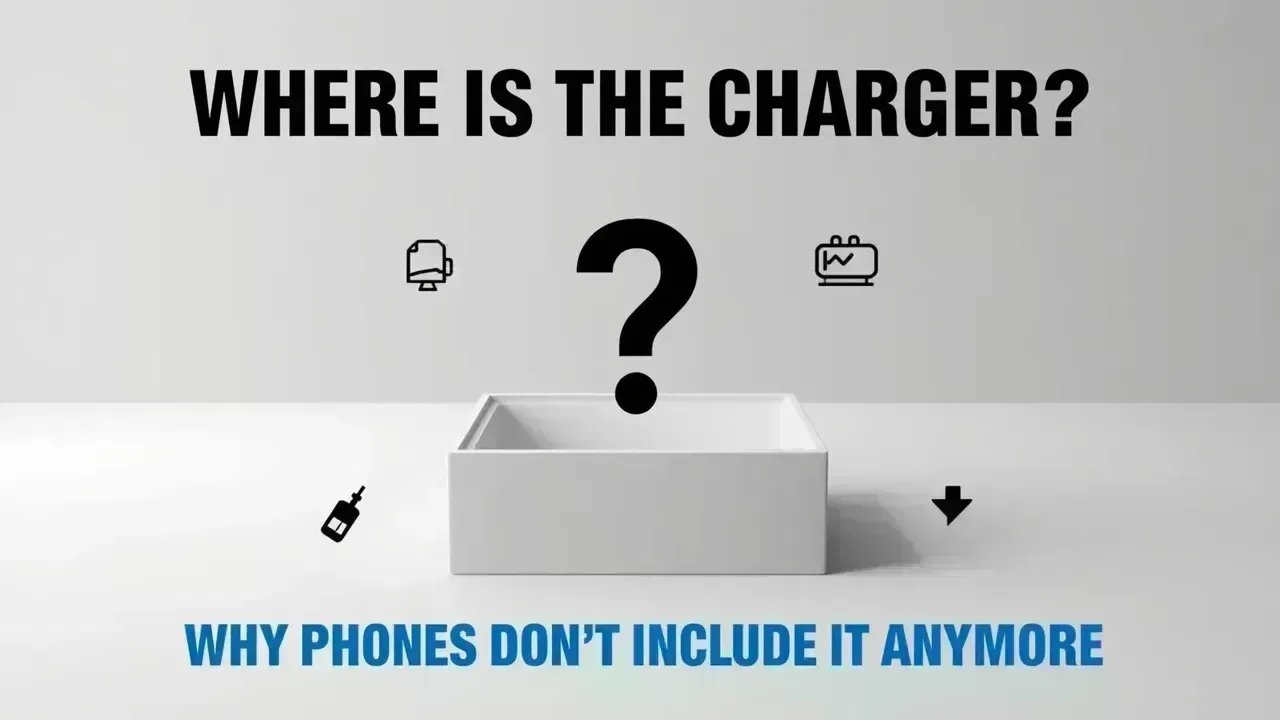
If you've recently upgraded your smartphone, you might have noticed that the box is missing something essential—a charger. This absence of a once-standard accessory has left many users puzzled.
The trend began with Apple when they launched the iPhone 12 without chargers, prompting Samsung and Xiaomi to adopt similar policies. What could have led to such a significant change? Is it truly a stance for the environment, or are there other motivations at play?
The explanation encompasses a blend of business motives, environmental assertions, and shifts in consumer behavior.
The primary reason cited by manufacturers is environmental responsibility. Each year, millions of chargers are produced, distributed, and often go unused as many consumers already possess numerous chargers.
By not including chargers, companies aim to:
Smaller packages can also lead to more efficient shipping, lowering transportation emissions. At first glance, this appears to be a commendable effort for sustainability.
While the environmental rationale sounds appealing, a strong financial incentive also prompts this decision.
By omitting chargers, brands can:
Many consumers will purchase chargers independently, allowing companies to generate additional revenue. In summary, brands save on packaging while increasing earnings from accessories.
Today's smartphones are equipped with advanced fast charging features often necessitating specific chargers.
Legacy chargers may:
By excluding chargers, companies shift the onus onto users to find the appropriate one. This also permits them to market premium fast chargers separately at higher prices.
Another justification is that many consumers already possess multiple chargers.
Consider the following:
As a result, brands argue that adding another charger to each order is unnecessary.
A less apparent reason relates to packaging efficiency.
Without chargers, companies achieve:
This leads to lower costs and enhances the overall supply chain process.
Though companies promote this change as a green initiative, some critics disagree.
Concerns include:
Thus, while the change may aim to mitigate waste on paper, its practical effect relies on consumer actions.
The consumer experience can be polarizing.
Conversely, others find the absence inconvenient:
This shift has transformed convenience from consumers to manufacturers.
Once a major brand initiated this trend, it quickly became an industry norm for many leading smartphones.
This change echoes a broader industry trend:
As you shop for your next smartphone, consider the following:
Staying informed about this trend can help you avoid unforeseen expenses.
Discontinuing charger inclusions reflects a larger transformation in marketing tech products.
Companies are transitioning towards:
This pattern is anticipated to extend to other tech products in the future.
The absence of chargers from smartphone packaging isn't purely about conserving space or environmental concerns—it's a complex interplay of cost efficiency, technological evolution, and consumer trends.
Although it may seem inconvenient initially, it underscores a significant shift in how companies develop, package, and market their products.
This article serves informational purposes and reflects general trends in the industry. Offerings may differ by brand and locale.










Anticipated Dates for UAE Eid Al Adha 2026 Unveiled by Astronomical Experts
Experts predict Eid Al Adha 2026 in the UAE to start on May 27, prompting early holiday planning amo

DAE Achieves Remarkable Growth in Q1 2026 With Record Revenue
Dubai Aerospace Enterprise announces impressive financial results for Q1 2026, reflecting a surge in

Price Increase for Sony PS5 in Southeast Asia Effective May 1
Sony announces a price increase for the PS5 across Southeast Asia starting May 1, 2026, impacting ga

Potential ‘Super El Niño’ in 2026: Understanding the Climate Risks
Could a Super El Niño emerge in 2026? Discover its implications and potential global climate impacts

Global Energy Crisis Intensifies: Markets React to Oil Supply Challenges
Markets are on edge as oil disruptions escalate, influencing prices and economic stability. Explore

Must-See Tourist Spots in London You Can't Overlook
Explore London's essential attractions, from royal landmarks to vibrant markets, ensuring an unforge




