Post by : Sami Jeet
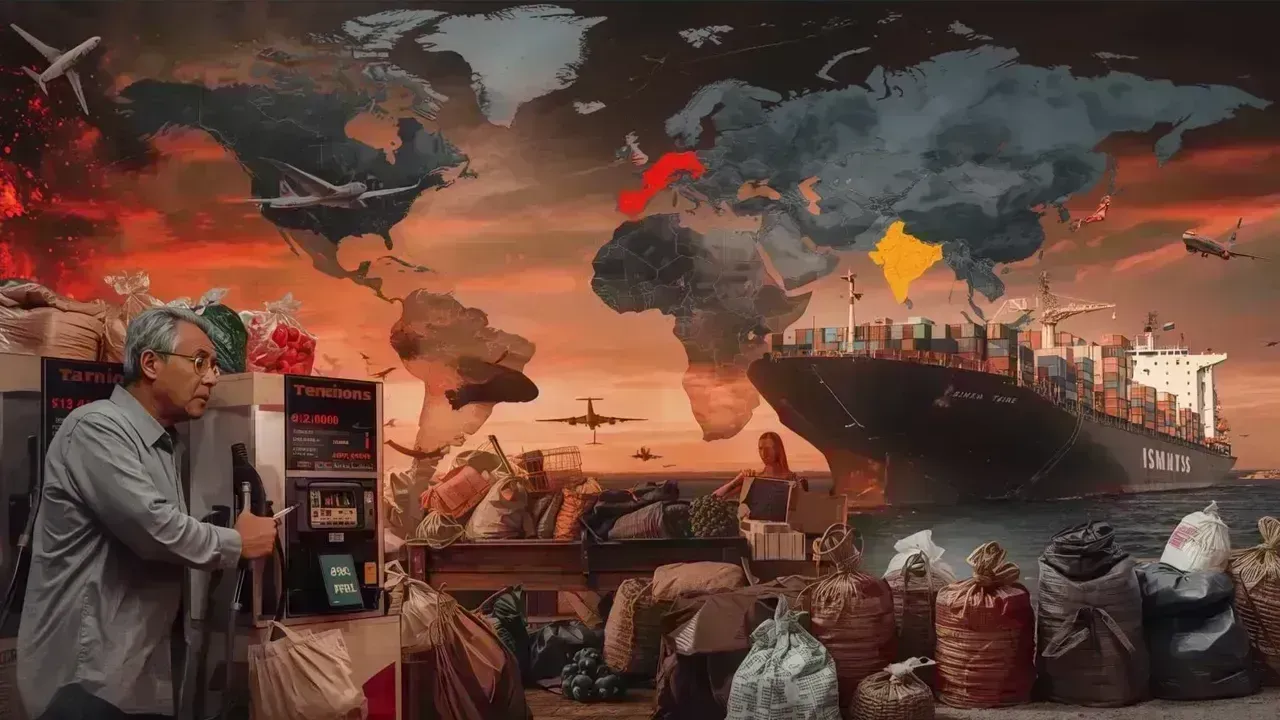
A surge in global conflict isn't just a concern for those involved; it reverberates through economies worldwide. The repercussions of military tensions, even those occurring far from home, can swiftly touch ordinary lives, resulting in increased fuel rates, expensive travel fares, and higher grocery bills.
In recent years, geopolitical instability in vital regions like the Middle East and Eastern Europe has cultivated uncertainty across global markets. As uncertainty climbs, so too do prices.
The core issue lies in the interdependence of modern economies on stable global supply chains. Essential commodities such as oil, gas, food grains, and consumer goods are constantly transported across borders via shipping routes and air cargo systems. Disruptions caused by conflicts compromise these systems, leading to widespread economic strain.
This interconnectedness highlights the far-reaching consequences of ongoing global tensions—they not only dominate headlines but also significantly impact fuel expenses, inflation, and travel costs, along with essential goods pricing.
Among the most immediate signs of escalating military conflicts is the spike in fuel prices.
When unrest occurs in energy-producing regions, markets react with urgency. Major crude oil suppliers like those in the Middle East can see prices fluctuate dramatically, especially with worries about the security of transport routes such as the Strait of Hormuz.
Fear alone can drive oil prices higher.
With rising crude oil rates:
This economic pressure permeates nearly every sector, as transportation is pivotal for the sale and delivery of products.
Nations reliant on imported fuel often bear the brunt of these increases, resulting in escalated energy import costs.
The rise in food prices during conflicts can come as a surprise to many, yet the link is robust.
Modern agricultural systems are entrenched in fuel use, logistics, fertilizers, and trade. Farming machinery runs on fuel, food transport relies on refrigeration, and fertilizers often hinge on natural gas inputs.
As fuel rates rise, so do the costs associated with farming, transporting, and storing food.
Moreover, conflicts can directly affect agricultural exports. Disruptions in key grain-producing areas lead to tighter global food supplies, which increases prices for staples like wheat, rice, and cooking oil.
This inflationary trend often surfaces during political unrest, putting undue strain on families already grappling with rising fuel costs and grocery bills.
Rising tensions also bear significant implications for travel.
Airlines, which are heavily reliant on fuel, face higher operational costs as jet fuel prices escalate. This often results in:
Airlines may also adjust routes to avoid potentially dangerous areas, which can extend travel distances and costs.
Shipping companies experience similar dilemmas. Cargo vessels navigating politically sensitive waters may endure delays and increased security or insurance costs, which are ultimately passed on to consumers.
This rising cost structure impacts not only travel but also the pricing of imported goods and online purchases.
Prolonged conflicts typically drive inflation as they influence various cost sectors.
Inflation indicates a general increase in goods and services pricing over time. During times of conflict, inflation rises due to:
The surge in business expenses is ultimately transferred to consumers, leading to raised prices on essentials, thereby reducing disposable income for other spending.
This creates a ripple effect throughout the economy: households spend more on necessities and governments face heightened pressures, potentially hindering economic growth.
The vigilance of financial markets often stems from these geopolitical dynamics, transcending borders and distancing from direct conflict zones.
Developing nations are especially susceptible to the repercussions of global crises, often relying heavily on imports for essential goods and fuel.
With weaker currencies, local economies face steeper burdens as imports surge in price with geopolitical tensions.
For many families in developing areas:
Middle-income and low-income households frequently feel the impact the most, as a significant portion of their income is allocated to essential costs.
As living costs escalate, individuals begin to alter their day-to-day practices.
Across the globe, families are:
Businesses are also making adjustments, whether it's cutting costs, increasing prices, or altering supply chains to evade instability.
Such transformations exemplify how global tensions reshape lives, even for those distanced from the frontlines.
While there is potential for stabilization regarding fuel and inflation, the specter of prolonged conflicts may hinder improvements in the global economy for the foreseeable future.
Even once conflicts abate, restoring trust in trade and re-establishing stable systems can take substantial time.
This underlines why markets are attuned not only to current conflicts but also to the uncertainties that follow.
The increasing prevalence of war tensions transcends political issues; they directly influence everyday life around the globe.
From fuel and food pricing to inflation and travel costs, the ramifications are compellingly intertwined with efforts across economies. Even those distanced from areas of conflict experience the pressure of rising expenses and financial ambiguity.
The present landscape elucidates the interconnected nature of today’s world, where disturbances in one area ripple through transport systems, commerce, and household budgets, affecting many.
Grasping these connections is crucial to understanding the broader implications of global tensions, encapsulating political, economic, and personal aspects.
This article is intended solely for informational purposes. Economic conditions, fuel pricing, and geopolitical events may evolve swiftly depending on international circumstances and governmental actions.










Anticipated Dates for UAE Eid Al Adha 2026 Unveiled by Astronomical Experts
Experts predict Eid Al Adha 2026 in the UAE to start on May 27, prompting early holiday planning amo

DAE Achieves Remarkable Growth in Q1 2026 With Record Revenue
Dubai Aerospace Enterprise announces impressive financial results for Q1 2026, reflecting a surge in

Price Increase for Sony PS5 in Southeast Asia Effective May 1
Sony announces a price increase for the PS5 across Southeast Asia starting May 1, 2026, impacting ga

Potential ‘Super El Niño’ in 2026: Understanding the Climate Risks
Could a Super El Niño emerge in 2026? Discover its implications and potential global climate impacts

Global Energy Crisis Intensifies: Markets React to Oil Supply Challenges
Markets are on edge as oil disruptions escalate, influencing prices and economic stability. Explore

Must-See Tourist Spots in London You Can't Overlook
Explore London's essential attractions, from royal landmarks to vibrant markets, ensuring an unforge




