Post by : Priya
Photo:AP
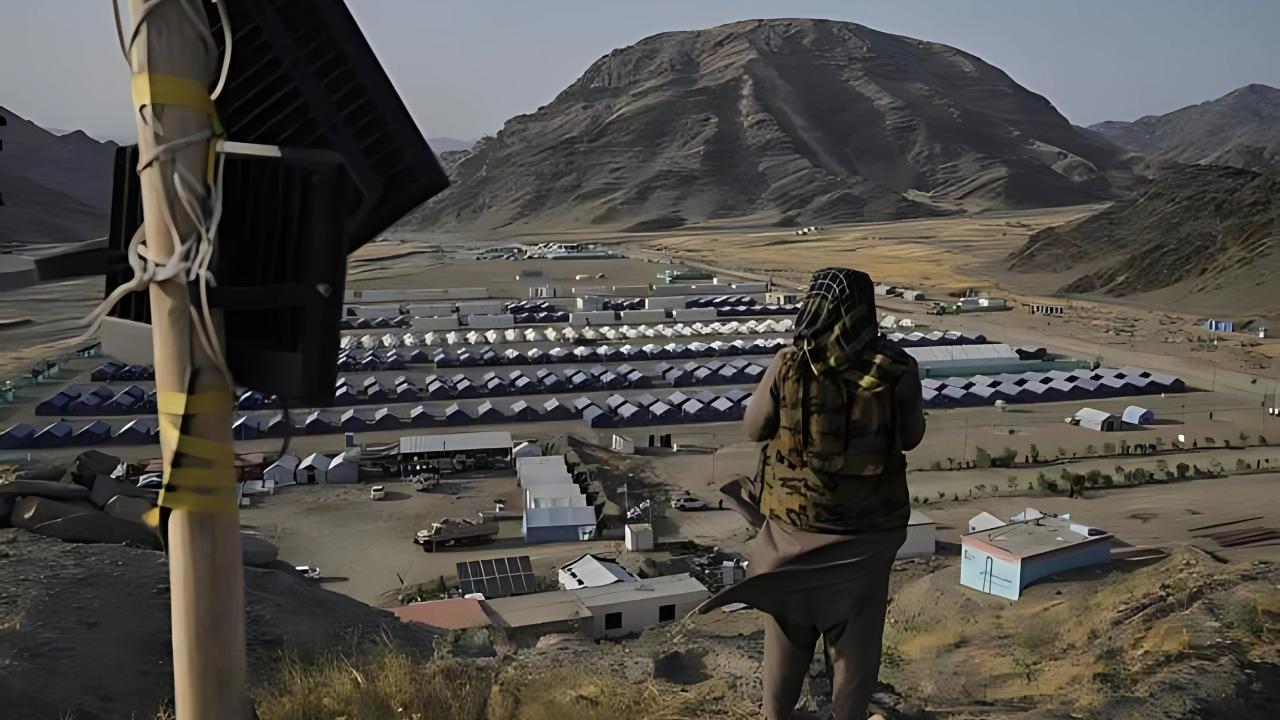
In 2025, a wave of forced returns of Afghan nationals from neighboring countries has become one of the most urgent humanitarian crises in South Asia. Countries such as Iran and Pakistan, home to millions of Afghan refugees and migrants for decades, have escalated mass expulsions that have pushed more than 1.8 million Afghans back across borders this year alone. This upheaval has drawn sharp criticism from the Taliban, whose administration now controls Afghanistan, as well as condemnation from multiple international human rights and refugee agencies. The consequences of these mass deportations underscore profound challenges of human dignity, international responsibility, and regional stability.
The Scale and Nature of Expulsions
After decades of conflict and instability, millions of Afghans sought refuge in Iran and Pakistan, building lives in those countries. However, since early 2025, these countries have intensified their efforts to expel Afghans living either undocumented or with expired legal status. Iran alone has deported nearly 1.5 million Afghans, and Pakistan around 300,000, leading to daily flows of returnees sometimes reaching tens of thousands.
These expulsions are often sudden and harsh. Reports indicate that many Afghans are rounded up in raids without warning or opportunity to gather their basic belongings. Families are torn apart; children frequently arrive unaccompanied. Many deportees leave behind homes, jobs, and belongings, forced to start over in a homeland still struggling with poverty, lack of services, and ongoing insecurity.
Taliban’s Response: Criticism and Calls for Cooperation
The Taliban government has openly criticized the expulsions, labeling them unjust and harmful to Afghan families and the country’s fragile stability. They argue that sudden mass returns overwhelm Afghanistan’s limited resources, infrastructure, and social services. The Taliban have urged neighboring countries to halt forced deportations and instead adopt a measured and cooperative approach, facilitating safe, gradual returns backed by logistical support.
While the Taliban claims readiness to assist returnees — offering land, jobs, and reintegration aid — the reality on the ground remains difficult. Afghanistan continues to face a humanitarian crisis, intensified by drought, economic collapse, and ongoing conflict. The international community’s limited engagement with the Taliban regime restricts aid delivery, constraining what help can reach returnees.
Human Rights Concerns and International Reactions
Despite the Taliban’s criticism of deportations, the international community remains deeply concerned about human rights conditions inside Afghanistan, particularly for women, girls, minorities, former government affiliates, journalists, and activists. UN reports describe a harsh environment marked by arbitrary arrests, torture, restrictions on women’s education and employment, and persecution based on political or social identity.
The mass returns often force vulnerable Afghans into a country where their safety is not guaranteed. UN human rights experts emphasize the principle of non-refoulement, which forbids sending refugees or migrants back to places where they face serious harm. They warn that many deportees have genuine fears for their lives and liberty, with women and former government employees at particular risk of retaliation.
Countries implementing deportations have faced criticism for failing to provide adequate legal protections or assess individual cases properly. In some cases, escalations in anti-Afghan sentiment, driven by regional security issues such as the Iran-Israel conflict, have led to discriminatory policies and rhetoric that worsen conditions for Afghan refugees abroad.
Impact on Afghan Society and Regional Stability
Afghanistan returns need to be understood in the broader context of the country’s humanitarian and socio-political crisis. Over 23 million Afghans currently require humanitarian assistance. The forced influx of millions of returnees places additional strain on scarce resources in health, education, shelter, and food security.
Women, comprising a significant portion of returnees, face severe restrictions under the Taliban’s gender policies, including bans on work and schooling for most women outside the home, compounding their vulnerability. Many returnees find themselves trapped without livelihoods or social support, increasing poverty and desperation.
The regional implications are also significant. The mass deportations risk destabilizing Afghanistan further—fueling cycles of poverty and displacement—and creating tensions between Afghanistan and its neighbors. Diplomatic pressure is mounting on Iran, Pakistan, and others to adopt more humane policies and increase cooperation with international bodies for safe, orderly refugee management.
The Path Forward: Calls for International Solidarity and Justice
The crisis demands urgent action on multiple fronts. First, states hosting Afghan refugees must uphold international refugee laws, including non-refoulement, and ensure that Afghan migrants have fair access to legal protections. Abrupt mass expulsions only deepen suffering and heighten risks of human rights abuses.
Second, the international community, including the United Nations and donor countries, must increase humanitarian aid and reintegration support within Afghanistan. This includes funding for health, education, shelter, and job programs designed specifically to meet the needs of returnees, especially women and vulnerable groups.
Third, regional cooperation mechanisms should be strengthened to manage migration humanely and support Afghanistan’s long-term stability. Transparent, planned, and voluntary repatriation programs with monitoring can ensure safer outcomes for displaced populations.
Finally, broader political and diplomatic engagement with the Taliban is crucial, balancing human rights concerns with pragmatic humanitarian considerations. Without dialogue, restrictions on aid and dialogue will worsen the plight of millions.







DAE Achieves Remarkable Growth in Q1 2026 With Record Revenue
Dubai Aerospace Enterprise announces impressive financial results for Q1 2026, reflecting a surge in

Price Increase for Sony PS5 in Southeast Asia Effective May 1
Sony announces a price increase for the PS5 across Southeast Asia starting May 1, 2026, impacting ga

Potential ‘Super El Niño’ in 2026: Understanding the Climate Risks
Could a Super El Niño emerge in 2026? Discover its implications and potential global climate impacts

Global Energy Crisis Intensifies: Markets React to Oil Supply Challenges
Markets are on edge as oil disruptions escalate, influencing prices and economic stability. Explore

Must-See Tourist Spots in London You Can't Overlook
Explore London's essential attractions, from royal landmarks to vibrant markets, ensuring an unforge

Ultimate Guide to Snagging Cheap Flights in 2026
Unlock the secrets to booking affordable flights in 2026 with insightful tips and strategies tailore




