Post by : Monika
Photo: Reuters
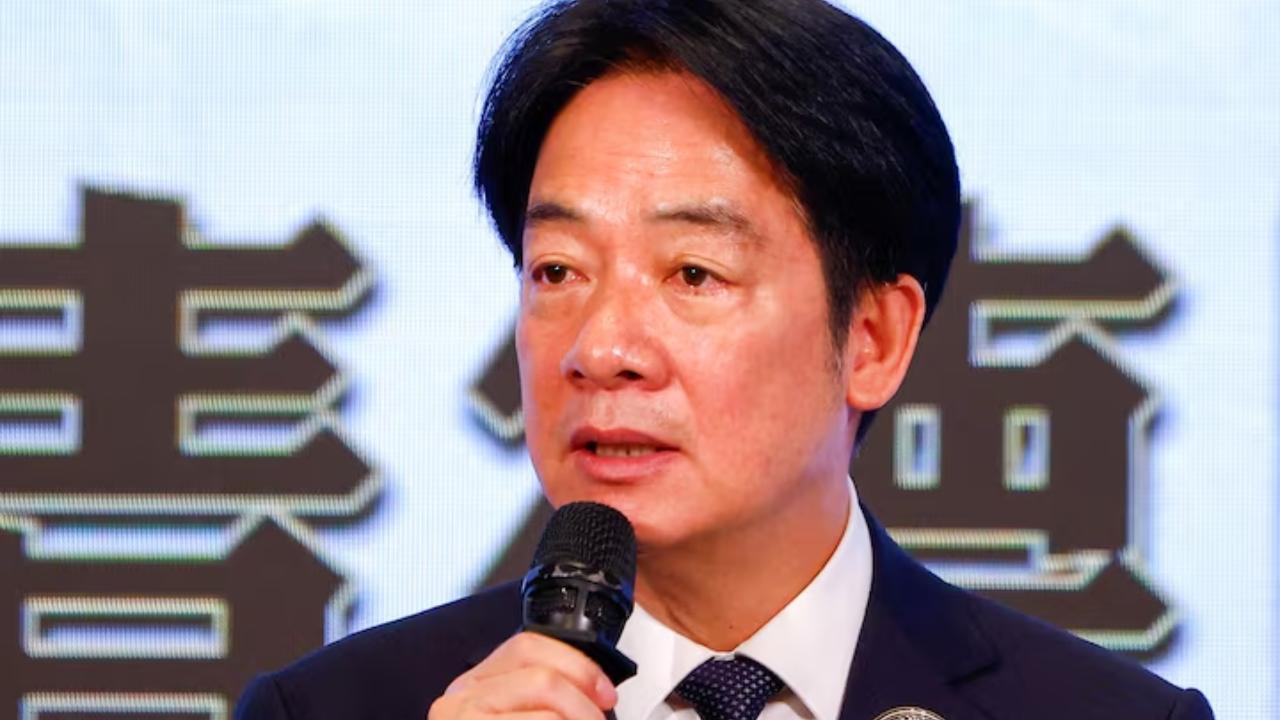
On July 22, 2025, Taiwan’s President, Lai Ching‑te, met with lawmakers from the European Parliament in Taipei. These lawmakers are part of a group called the European Democracy Shield,
which focuses on protecting democratic values across Europe. During their meeting, President Lai spoke openly about how both Taiwan and the European Union (EU) are facing serious challenges from other countries that are trying to weaken their democracies.
He warned that countries like China and Russia are using false information, online tricks, and sneaky tactics to confuse people, spread lies, and create doubt about how governments work. According to Lai, these attacks are not just simple online rumors—they are planned actions meant to harm democracy and divide people.
What Brings Taiwan and the EU Together?
Taiwan and the EU may be far apart geographically, but they share many important values. Both believe in:
These values are the heart of any strong democracy. But over the past few years, both Taiwan and Europe have seen more attacks on these values from outside their borders.
In Taiwan, the government says that China spreads stories online that are made to look real—but are actually fake. These stories are designed to make voters doubt their leaders or lose trust in their system. China denies these claims.
In Europe, many countries say Russia uses similar methods to trick people—by sharing false news stories or stirring up anger during elections. Russia also denies doing this. But many leaders across the EU believe these tricks are meant to cause chaos, divide communities, and reduce faith in government.
What Is “External Infiltration”?
President Lai used two key terms: “external infiltration” and “information interference.” These phrases mean that outsiders are trying to sneak into people’s minds by spreading false or misleading information.
Here are some ways that happens:
Taiwan’s Challenges with China
Taiwan is a self-governed island, but China claims it as part of its territory. Taiwan strongly disagrees with this claim. The situation has caused tensions for many years.
President Lai said China often tries to interfere with Taiwan’s elections by spreading fake news about politicians or the government’s success. These efforts aim to confuse voters or make them lose faith in democracy.
Lai also said that Taiwan takes these threats seriously. He wants to work with other democratic countries—like those in Europe—to learn how to protect elections and keep their systems strong.
What Is Happening in Europe?
Many European countries have experienced the same kind of digital interference. They believe Russia is behind much of it. These attacks are often done through social media, using fake accounts to spread lies or stir up arguments between citizens.
European leaders are worried that these actions are damaging trust, increasing hate, and making it harder for governments to work properly. Just like in Taiwan, these outside attacks are aimed at breaking down democracy from within.
Standing Strong Together
President Lai said that countries with similar values should work together to stay safe. He believes that democracies should support one another, not compete.
Even though Taiwan and the EU don’t have official diplomatic ties, they still share the same ideas about freedom, fairness, and honesty. Lai said Taiwan wants to share its experience in fighting digital lies and election tricks, and he hopes Europe will do the same.
He also wants Taiwan to be included in important talks—especially as the EU prepares for a major meeting with China in Beijing this week. Lai hopes that while the EU discusses trade and policies with China, they will also think about protecting democracy and digital safety.
A Lesson for Everyone—Even Students
Think about this: Imagine you’re in a classroom, and someone spreads a rumor about one of your friends. If the rumor isn’t true, but many people believe it, your group of friends might start fighting. You might even stop trusting each other.
That’s exactly what these digital attacks are doing—just on a much larger scale. They break trust between people and governments. They make it harder for voters to know what’s true. And when trust disappears, democracy begins to fall apart.
What Are the Next Steps?
During the meeting, President Lai and the European lawmakers discussed several things they could do next:
1. Sharing Tools and Ideas
Taiwan wants to share how it spots false news quickly. Europe can explain how it’s making rules to keep digital spaces safer.
2. Training Leaders and Workers
People like teachers, journalists, and election workers can be trained to recognize fake news and protect others from it.
3. Creating New Rules
Taiwan hopes to follow Europe’s lead by making new laws that prevent lies from spreading during elections or public debates.
4. Working Together
Both Taiwan and Europe want to build a network that can track digital threats, warn each other, and take quick action.
A Warning from History
Earlier this year, President Lai gave a speech to mark 80 years since World War II ended. In his speech, he said the world learned a hard lesson: when democratic countries allow small attacks on their values, those attacks can grow into much bigger dangers.
He believes this lesson still matters today. If democracies let outside interference go unchecked, their whole system could fall apart.
That’s why Taiwan is ready to join with other democratic nations to fight digital threats, protect free elections, and stand against pressure from powerful nations like China and Russia.
This meeting between Taiwan and European lawmakers was more than just a friendly visit. It was a call to action.
It reminded the world that democracy is not something we can take for granted. It’s something we must protect, day by day, choice by choice.
President Lai’s message was clear: Even though Taiwan and the EU are far apart, they are facing the same risks—and they must face them together.
Just like students helping each other with tough homework, countries that believe in fairness, freedom, and truth must support each other too. By working side by side, they can make sure that democracy stays strong—not just today, but for future generations.








Price Increase for Sony PS5 in Southeast Asia Effective May 1
Sony announces a price increase for the PS5 across Southeast Asia starting May 1, 2026, impacting ga

Potential ‘Super El Niño’ in 2026: Understanding the Climate Risks
Could a Super El Niño emerge in 2026? Discover its implications and potential global climate impacts

Global Energy Crisis Intensifies: Markets React to Oil Supply Challenges
Markets are on edge as oil disruptions escalate, influencing prices and economic stability. Explore

Must-See Tourist Spots in London You Can't Overlook
Explore London's essential attractions, from royal landmarks to vibrant markets, ensuring an unforge

Ultimate Guide to Snagging Cheap Flights in 2026
Unlock the secrets to booking affordable flights in 2026 with insightful tips and strategies tailore

The Impact of Consistent Small Investments on Wealth Building
Discover how investing small amounts regularly can positively transform your financial future over t