Post by : Bianca Suleiman
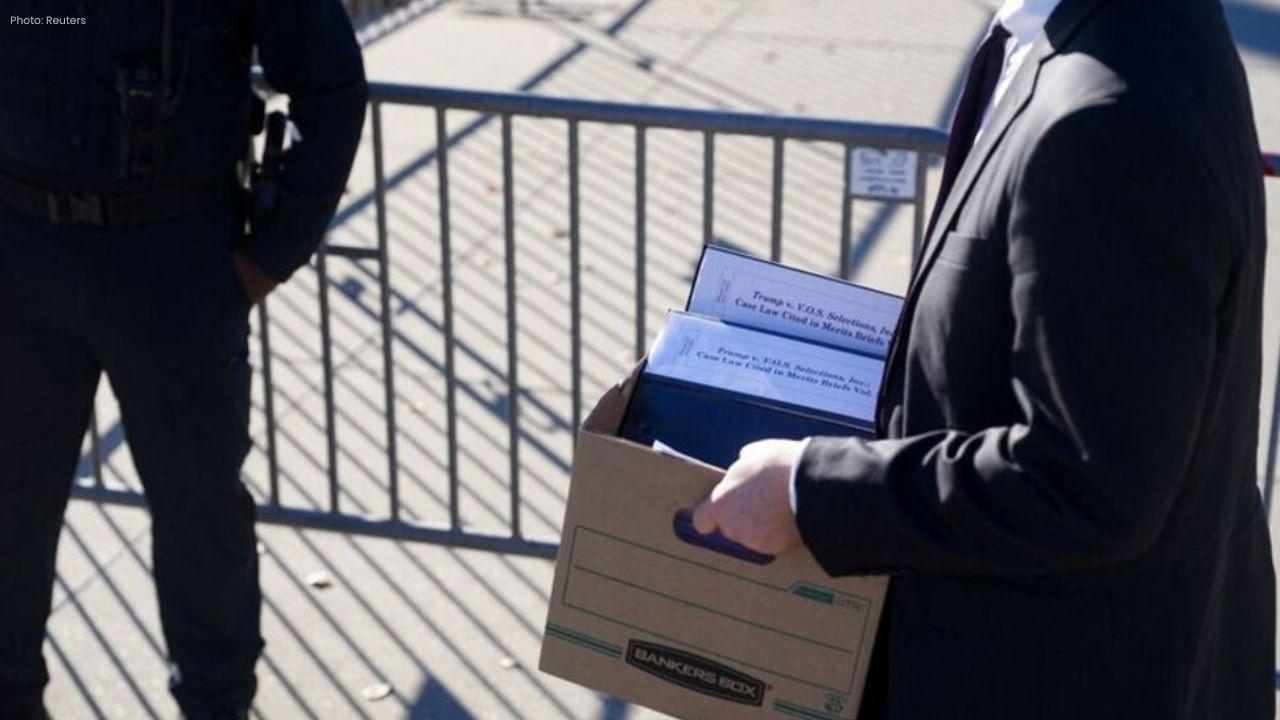
During Wednesday's hearing, the U.S. Supreme Court probed whether a president may rely on the 1977 International Emergency Economic Powers Act (IEEPA) to impose broad, global tariffs. Justices questioned whether IEEPA—designed to let the executive regulate trade in declared emergencies—actually permits tariffs, a point that could reshape the legal foundation for recent trade actions.
Only Justices Samuel Alito and Clarence Thomas signaled openness to the Trump administration's reading of the law; several other justices voiced deep reservations. Legal observers say the tenor of questioning increased the odds the court could rule the tariffs unlawful. The levies have already generated more than $100 billion in revenue from U.S. importers.
Experts caution that even a ruling against the IEEPA-based tariffs would not necessarily eliminate unilateral trade measures. The administration could pivot to other statutory routes, such as Section 232 of the Trade Expansion Act, which cites national security, or Section 122 of the Trade Act, which allows temporary duties in certain circumstances.
For companies, the issue is immediate and practical: planning and capital allocation are being disrupted as businesses wait to learn whether duties will remain, be replaced, or refunded. The uncertainty complicates investment timetables and supply-chain decisions across multiple sectors.
The prospect of refunds adds further complexity. While some small enterprises might receive automatic restitution, the majority of importers would likely need to pursue administrative protests, a process customs attorneys warn could take many months. Even with clear Supreme Court direction, officials estimate the refund process might extend up to a year.
A decision is expected in early 2026, introducing another variable into global trade dynamics that have already been affected by a recent U.S.-China détente and selective agreements with Southeast Asian partners. Economists warn that prolonged legal uncertainty could dampen investment and weigh on industries reliant on cross-border commerce.
As stakeholders await the court's verdict, both business leaders and policymakers are preparing for continued volatility. The outcome will not only affect tariffs and trade flows but could also redraw the boundaries of presidential authority over international economic policy.







Price Increase for Sony PS5 in Southeast Asia Effective May 1
Sony announces a price increase for the PS5 across Southeast Asia starting May 1, 2026, impacting ga

Potential ‘Super El Niño’ in 2026: Understanding the Climate Risks
Could a Super El Niño emerge in 2026? Discover its implications and potential global climate impacts

Global Energy Crisis Intensifies: Markets React to Oil Supply Challenges
Markets are on edge as oil disruptions escalate, influencing prices and economic stability. Explore

Must-See Tourist Spots in London You Can't Overlook
Explore London's essential attractions, from royal landmarks to vibrant markets, ensuring an unforge

Ultimate Guide to Snagging Cheap Flights in 2026
Unlock the secrets to booking affordable flights in 2026 with insightful tips and strategies tailore

The Impact of Consistent Small Investments on Wealth Building
Discover how investing small amounts regularly can positively transform your financial future over t




