Post by : Raina Nasser
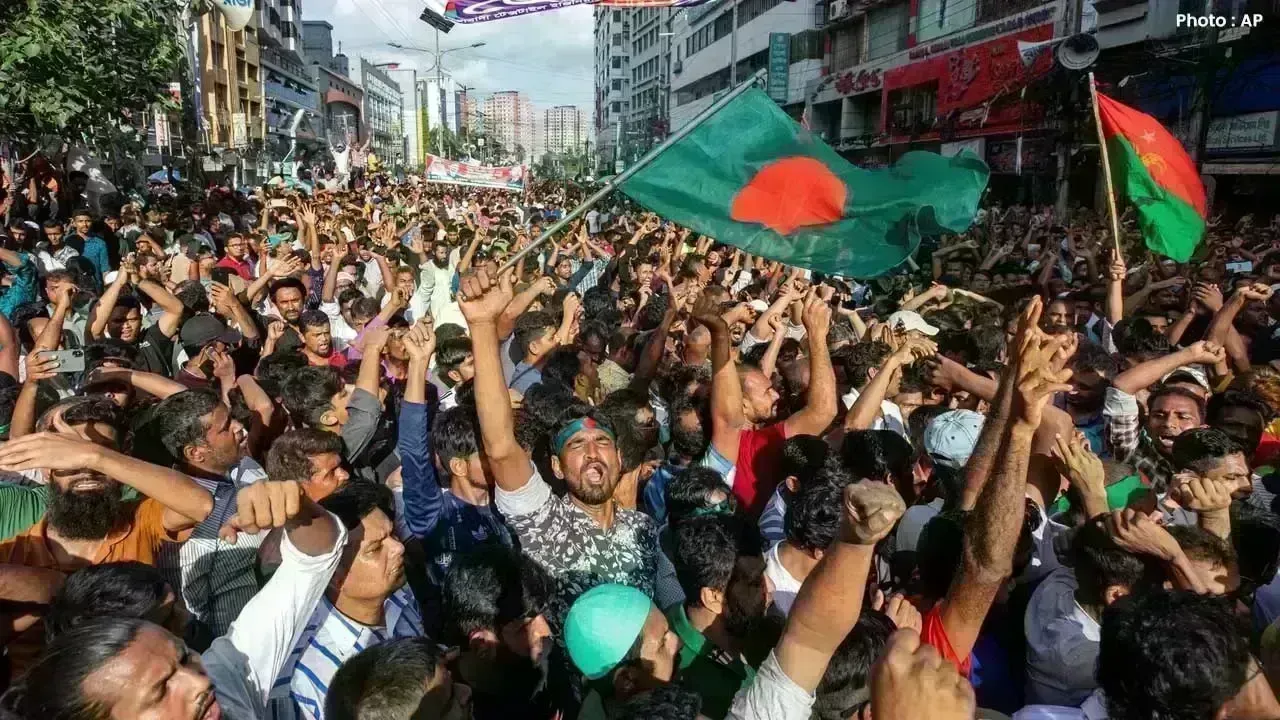
In Bangladesh, the National Citizen Party (NCP), emerging from student-led protests that ousted Sheikh Hasina, is experiencing difficulties in transforming its grassroots appeal into electoral success as the parliamentary elections loom in February. Founded by youth activists who mobilized against Hasina’s regime, the NCP aims to eradicate longstanding nepotism and challenge the country's entrenched political elites. However, current opinion polls indicate the NCP trails in third place with a mere six percent support, significantly behind the leading Bangladesh Nationalist Party (BNP) at thirty percent and Jamaat-e-Islami, which stands at twenty-six percent.
Leaders of the NCP recognize the challenges posed by their nascent organizational structure, limited resources, and the need to form a comprehensive network to compete in all 300 parliamentary seats. Nahid Islam, 27, the party’s chief and a key figure in past anti-government demonstrations, highlighted the NCP's commitment to long-term reforms instead of merely focusing on electoral victories. From their graffiti-embellished headquarters in Dhaka, he stated that their movement aims for profound structural changes.
Despite initial optimism from their supporters, some early advocates have voiced disillusionment. Feminist activist Prapti Taposhi expressed concerns about the party's hesitance to adopt definitive positions on pressing topics such as minority rights and women’s issues. The failure to secure any seats in the recent Dhaka University student elections serves as a stark reminder of the difficulty in shifting activism into tangible political power. The Awami League, still barred from participation, has signaled that prolonged restrictions could lead to unrest, which may jeopardize Bangladesh's textile industry, the second-largest garment exporter globally.
In a bid to fortify its electoral standing, NCP is reportedly considering alliances with historical rivals like the BNP and Jamaat-e-Islami. While such partnerships could enhance their prospects, analysts caution that this may dilute the party's revolutionary identity and distinguish it from beyond entrenched political frameworks. Many of the original student advocates have reverted to previous affiliations, leaving only a fraction to sustain the NCP. The challenge remains to vie against deeply rooted political networks and machinery extending into rural regions.
The NCP's operations are also hampered by financial limitations. Party members rely chiefly on personal incomes, minor donations, and crowdfunding efforts for their campaign initiatives. Leaders like 28-year-old Hasnat Abdullah are reaching out directly to villagers, prioritizing transparency and judicious allocation of government resources over monetary incentives. Allegations of corruption against certain members—denied by the NCP—have further complicated public perception.
Nonetheless, the NCP continues to capture the attention of young voters who view it as a promising catalyst for change in a political arena long dominated by wealth and dynastic rule. University student Manzila Rahman expressed optimism that the NCP’s youth-led initiative might usher in a more equitable political culture. The party's unconventional search for candidates in November, which included over 1,000 ordinary individuals—from rickshaw pullers to injured student protesters—embodies its desire to enhance political engagement and empower everyday people.
Recognizing the importance of connecting with youth, established figures from the BNP and Jamaat have also acknowledged this demographic's significance. BNP leader Mirza Fakhrul Islam Alamgir emphasized the necessity of integrating youth perspectives into legislative discussions. NCP leaders maintain that their vision transcends the upcoming elections, focused on instituting enduring institutional reforms. Abdullah affirmed, “Whether we win or lose, participating in this election allows us to introduce something novel,” signifying the party's commitment to reshaping Bangladesh's political dialogue.









Price Increase for Sony PS5 in Southeast Asia Effective May 1
Sony announces a price increase for the PS5 across Southeast Asia starting May 1, 2026, impacting ga

Potential ‘Super El Niño’ in 2026: Understanding the Climate Risks
Could a Super El Niño emerge in 2026? Discover its implications and potential global climate impacts

Global Energy Crisis Intensifies: Markets React to Oil Supply Challenges
Markets are on edge as oil disruptions escalate, influencing prices and economic stability. Explore

Must-See Tourist Spots in London You Can't Overlook
Explore London's essential attractions, from royal landmarks to vibrant markets, ensuring an unforge

Ultimate Guide to Snagging Cheap Flights in 2026
Unlock the secrets to booking affordable flights in 2026 with insightful tips and strategies tailore

The Impact of Consistent Small Investments on Wealth Building
Discover how investing small amounts regularly can positively transform your financial future over t




