Post by : Anees Nasser
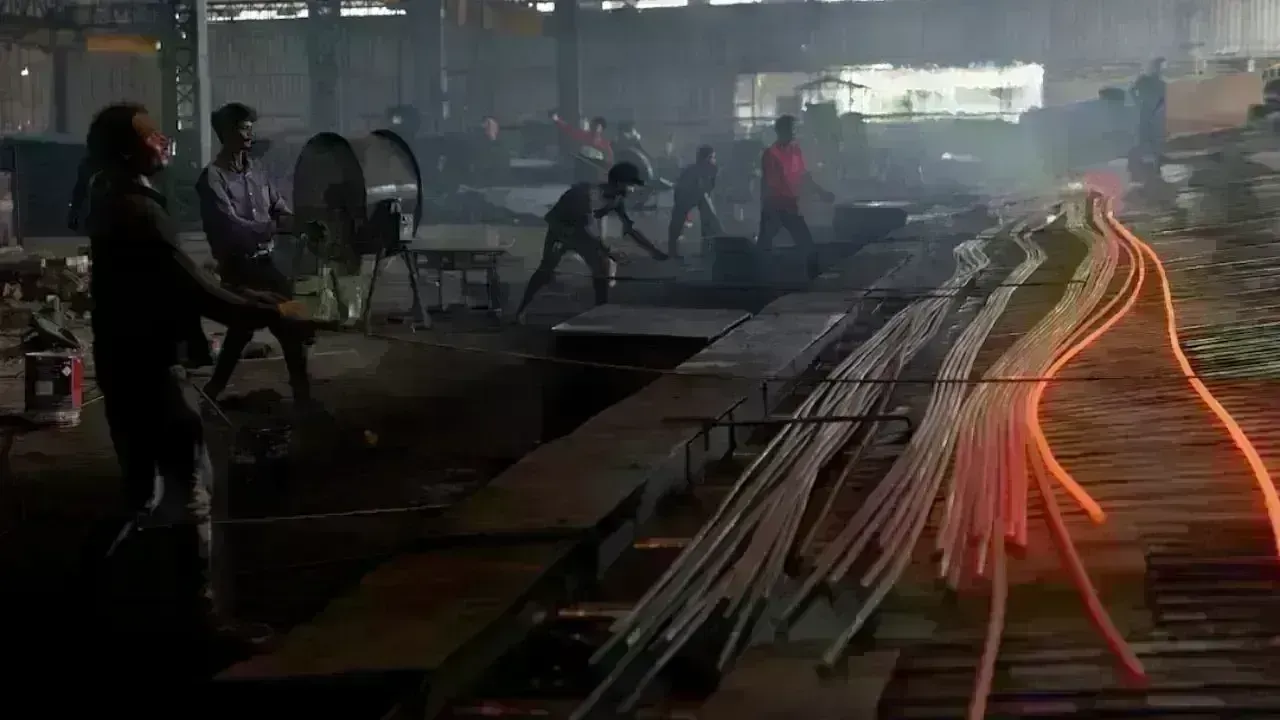
Trade rules often seem detached from everyday life. Terms like tariffs, import duties, and supply chains typically cater to economists or industry insiders. However, when it comes to steel, these policies quietly infiltrate homes, garages, and various construction projects.
Steel is integral to our economy, lurking behind walls, inside electrical appliances, and under vehicle hoods. Consequently, government discussions on hiking steel import tariffs never remain confined to factories; they gradually seep into showroom costs and influence family budgets.
While consumers seldom purchase steel directly, the vast majority of their purchases contain it. This omnipresence makes tariffs particularly impactful, as they subtly shape consumer behavior without drawing immediate attention.
Steel is crucial to the car you commute in, the refrigerator that stores your food, and a multitude of appliances. From washing machines to elevators, steel remains foundational in our daily lives.
Elevated steel costs force manufacturers to incur higher production expenses. These added costs seldom remain within factory walls and, instead, find their way to consumers.
When steel prices increase, the consequences ripple across various industries. Automotive brands adjust vehicle pricing structures; appliance manufacturers rethink their financial plans; construction contractors revise bids accordingly.
The consumer ultimately feels these weighty decisions long after policies have been enacted.
An import tariff serves as a tax imposed on foreign goods. When tariffs raise the cost of steel imports, domestic producers find themselves at a competitive advantage. They are free to increase prices without losing clientele, as cheaper alternatives become scarce.
Governments leverage tariffs to bolster local economies and promote domestic manufacturing, though this tactic can stifle competition. With fewer suppliers in the market, prices invariably rise.
The ramifications of heightened tariffs include:
Imported steel costs soar.
Domestic steel prices gain leverage.
Manufacturers contend with pricier raw materials.
Consumer goods become increasingly expensive.
Every household feels the impact.
The auto industry stands as a prominent steel consumer, with vehicle frames, bodies, and crucial components relying heavily on this material. Thus, any rise in steel prices quickly reflects on manufacturing expenses.
Car manufacturers have limited avenues, either absorbing these costs or passing them onto consumers. Over time, passing along costs becomes the norm.
New vehicle models will see price hikes, especially larger SUVs compared to compact cars, alongside increasing spare parts costs.
When steel prices fluctuate, car prices adjust swiftly in response.
For those looking to build or renovate, the reliance on steel for structural elements, pipelines, and frameworks is undeniable.
With steel tariffs raising prices, contractors are compelled to increase estimates, pushing budgets higher.
The cascading effects result in:
Higher demand for cement.
Rising hardware costs.
Escalating labor fees.
Extended timelines for projects.
Home buyers endure double jeopardy—higher costs and delays due to material shortages.
Significant steel content exists in most household appliances, including refrigerators and washing machines.
Manufacturers may not advertise steel features, yet they determine:
Durability.
Weight allocation.
Structural integrity.
Longevity.
As raw material prices increase, appliance makers face a dilemma to either bargain with features or increase retail prices.
Most firms opt for the latter.
Consumers will notice the rising costs when upgrading appliances compared to previous years.
Steel tariffs contribute to inflation beyond the immediate costs of steel.
With rising manufacturing expenses come increased costs in transportation, storage, packaging, and adjustments to retail margins.
These changes create an environment of invisible inflation.
Consumers feel it through:
Higher EMIs.
Costly repairs.
Increased upgrade expenses.
Heightened affordability challenges.
Inflation enters gradually, rather than all at once, influencing daily expenditures.
Tariffs are carefully considered actions aimed at protecting local industries from competition posed by cheaper imports.
Steel production generates essential employment, tax revenue, and infrastructure stability. A decline in domestic steel capacity could increase reliance on imports, jeopardizing national security in times of need.
While tariffs may inconvenience consumers, policymakers weigh factors such as:
Industrial development.
National security considerations.
Job protection.
Economic independence.
Striking a balance remains a tough challenge.
Domestic steel manufacturers reap immediate rewards from higher tariffs, enhancing their profit margins and market share.
However, smaller companies relying on imported steel and various partners in the construction and automotive sectors may find themselves under pressure.
Consequently, households will also eventually experience the strain.
Tariffs may support one sector while burdening many others.
While temporary price spikes can be managed, long-lasting cost pressures can alter consumer behavior.
Households might delay major purchases, such as homes or new vehicles, leading to a decline in economic activity and consumer confidence.
Tariffs warrant careful examination not only for their industrial implications but also for their effects on household finances.
While tariff discussions may seem far-off, families should take proactive steps:
Avoid needless delays in essential purchases.
Monitor raw material trends prior to major expenses.
Diligently compare brands.
Prepare for potential price shifts.
Steer clear of unnecessary upgrades during uncertain times.
Being economically informed has become vital in personal finance.
Tariffs often persist once established, reshaping national supply chains and investment routes, making reversal politically challenging.
Much hinges on:
Global steel availability.
Domestic manufacturing capabilities.
Trade negotiations.
Economic strategy.
While temporary surges may stabilize, structural alterations generally do not.
Is prioritizing self-sufficiency worth the financial burden it imposes on living standards?
Nations will vary in their answers.
Nevertheless, the reality for households remains clear:
When steel prices escalate, everyday life becomes costlier.
Not just in emotional terms, but in financial terms too.
While steel import tariffs may seem like mere technicalities, they profoundly influence family budgets.
From car purchases to home construction, steel underpins every financial decision.
And when this essential commodity experiences price increases…
Daily life becomes unaffordable.
Grasping this connection enables families to brace themselves instead of succumbing to panic.
DISCLAIMER
This article serves solely as informative content and should not be interpreted as financial or investment advice. Readers should consult official government sources and financial advisors for tailored guidance.









Anticipated Dates for UAE Eid Al Adha 2026 Unveiled by Astronomical Experts
Experts predict Eid Al Adha 2026 in the UAE to start on May 27, prompting early holiday planning amo

DAE Achieves Remarkable Growth in Q1 2026 With Record Revenue
Dubai Aerospace Enterprise announces impressive financial results for Q1 2026, reflecting a surge in

Price Increase for Sony PS5 in Southeast Asia Effective May 1
Sony announces a price increase for the PS5 across Southeast Asia starting May 1, 2026, impacting ga

Potential ‘Super El Niño’ in 2026: Understanding the Climate Risks
Could a Super El Niño emerge in 2026? Discover its implications and potential global climate impacts

Global Energy Crisis Intensifies: Markets React to Oil Supply Challenges
Markets are on edge as oil disruptions escalate, influencing prices and economic stability. Explore

Must-See Tourist Spots in London You Can't Overlook
Explore London's essential attractions, from royal landmarks to vibrant markets, ensuring an unforge




