Post by : Raina Nasser
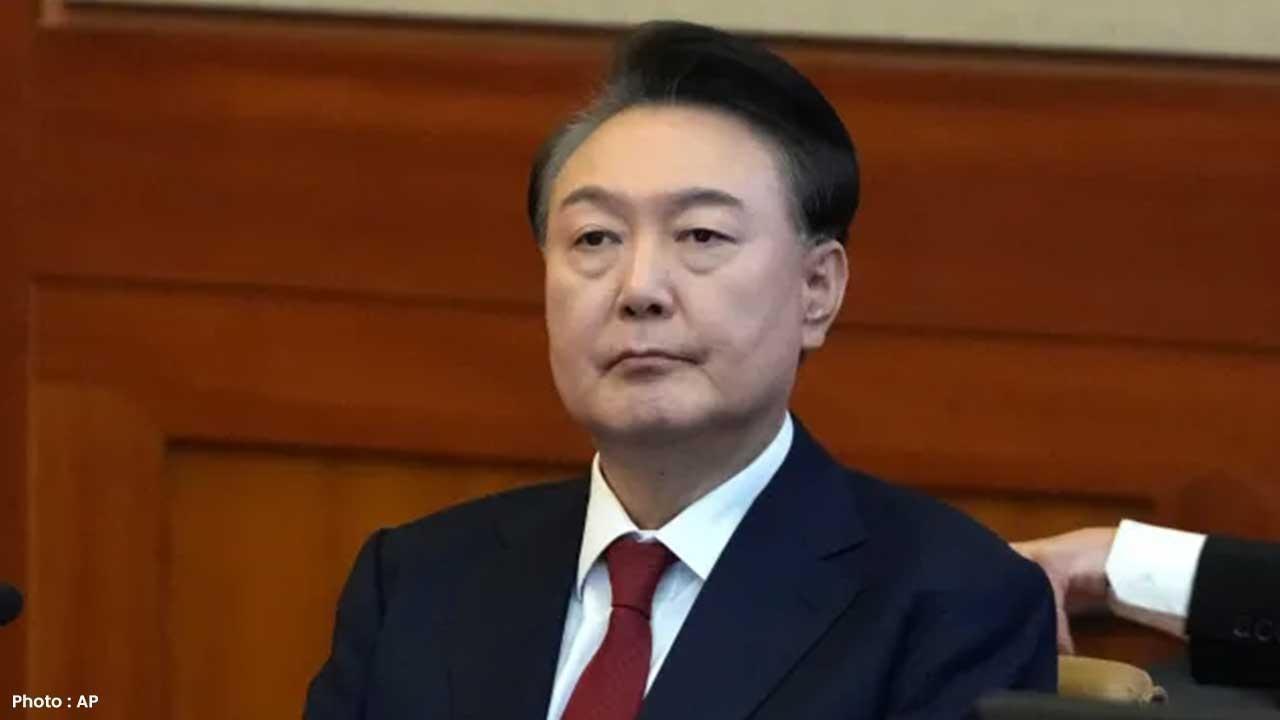
As South Korea faces a severe workplace safety crisis, President Lee Jae Myung is addressing the issue head-on. Drawing from his own traumatic experiences as a child laborer, he is committed to combating what he deems the nation’s “death trap” workplaces. His initiative emerges during a period when South Korea endures one of the highest industrial fatality rates among developed nations.
Data from the International Labour Organization (ILO) in 2023 paints a stark picture: South Korea reports 3.9 deaths per 100,000 workers, significantly higher than the OECD average of 2.6. The construction sector faces dire statistics as well, with a fatality rate of 15.9 per 100,000, the second-highest in the OECD. These figures reveal a troubling history of negligence and a prevailing spirit where swift development often trumps worker safety.
The human cost of these numbers is tragic. Kim Yong-ho, a worker who nearly lost his life in a severe accident in 2019 at a Hyundai Steel plant, serves as a poignant example. Believing the machinery was safely turned off, Kim was horrified when a 200-kilogram press activated unexpectedly, crushing him. With a colleague's quick intervention saving him, the emotional scars linger long after.
Fueled by his painful past, President Lee is determined to prioritize workplace safety. Once a factory worker himself, where he suffered significant injuries, he has since made safety reforms a cornerstone of his presidency. His administration has boosted funding for accident prevention, expanded protections for subcontracted workers, and heightened enforcement actions against companies violating safety regulations. He has also visited hazardous sites to urge corporate leaders towards safer practices.
The proposed budget for 2026 allocates substantial funds towards safety initiatives. New regulations will allow the government to impose fines of up to 5% of a company’s operational profit if they report three or more workplace fatalities within a year. Additionally, a specialized task force has been set up to probe serious industrial incidents, indicating a shift from a historical tolerance of workplace deaths amid economic gains.
Several companies are already feeling the impact. POSCO E&C halted work on numerous construction sites and dismissed its CEO following two fatalities. Hanwha Ocean suspended operations at its shipyard, offering apologies after a supervisor died in an accident. At DL Construction, around 80 executives resigned following another workplace incident. Although these companies claim to have implemented stricter safety measures, skepticism remains.
Tragedies continue to occur. Recently, a significant decommissioned heating structure collapsed in Ulsan, resulting in nine workers trapped under debris. Two managed to escape, but rescuers took over a week to recover the others' bodies. This event reignited anger and scrutiny towards the outsourcing of risky tasks, a practice labor unions argue allows companies to evade accountability while compromising safety oversight.
Despite the government’s initiatives, some critics contend that President Lee focuses more on bold proclamations than substantial reforms. They argue that while companies face repercussions, the measures are misdirected, potentially leading firms to merely feign compliance rather than enact genuine safety enhancements. Experts also highlight that since the Serious Accidents Punishment Act was enforced in 2024, fatalities have risen by 4.1%, reaching 2,098, with many employers receiving probation rather than strict penalties.
Labour Minister Kim Young-ho affirms the government’s commitment to achieving real change rather than political grandstanding. He underscores the need for subsidies for safety apparatus, a shift in workplace risk perceptions, and rigorous oversight of subcontractors as essential to tackling the roots of industrial accidents. Nonetheless, workers express concerns that tangible changes remain elusive.
For survivors like Kim Yong-ho, the future looks grim. After enduring two years of trauma post-accident, he returned to the same hazardous role out of necessity. Despite ongoing discussions and impending regulations, he observes unchanged safety conditions at his workplace. “Nothing has changed since my return,” he laments, echoing the frustrations of many.
South Korea stands at a critical juncture. The president’s campaign has ignited public discourse regarding the true costs of economic progression and the significance of human life within industrial settings. The success or failure of these reforms could define the nation’s trajectory in the coming years.





DAE Achieves Remarkable Growth in Q1 2026 With Record Revenue
Dubai Aerospace Enterprise announces impressive financial results for Q1 2026, reflecting a surge in

Price Increase for Sony PS5 in Southeast Asia Effective May 1
Sony announces a price increase for the PS5 across Southeast Asia starting May 1, 2026, impacting ga

Potential ‘Super El Niño’ in 2026: Understanding the Climate Risks
Could a Super El Niño emerge in 2026? Discover its implications and potential global climate impacts

Global Energy Crisis Intensifies: Markets React to Oil Supply Challenges
Markets are on edge as oil disruptions escalate, influencing prices and economic stability. Explore

Must-See Tourist Spots in London You Can't Overlook
Explore London's essential attractions, from royal landmarks to vibrant markets, ensuring an unforge

Ultimate Guide to Snagging Cheap Flights in 2026
Unlock the secrets to booking affordable flights in 2026 with insightful tips and strategies tailore




