Post by : Saif Nasser
Winter can be harsh, unpredictable, and exhausting. One moment the cold feels manageable, and the next it cuts straight through your clothes. Many people respond by piling on sweaters and jackets until they feel heavy and uncomfortable. Fashion experts say this is not the best way to stay warm. The real secret to surviving winter is smart layering.
Layering is not about wearing more clothes. It is about wearing the right clothes in the right order. When done properly, layering keeps your body warm, allows you to move freely, and still lets you look neat and stylish.
The first and most important step is choosing a good base layer. This is the clothing that touches your skin. A proper base layer helps keep body heat in and sweat out. Lightweight thermals or wool blends work best. Cotton should be avoided because it absorbs moisture and can make you feel cold. People who spend most of their day indoors should choose thinner thermals, while those outdoors in strong winds should go for slightly thicker ones.
The next layer is the middle layer, which traps warmth and adds comfort. This is where personal style comes in. Sweaters, cardigans, hoodies, fleece tops, or even a light padded vest work well. Thick knitted sweaters give extra warmth, while fitted pullovers offer a cleaner look. Since this layer is often removed indoors, it should look good on its own.
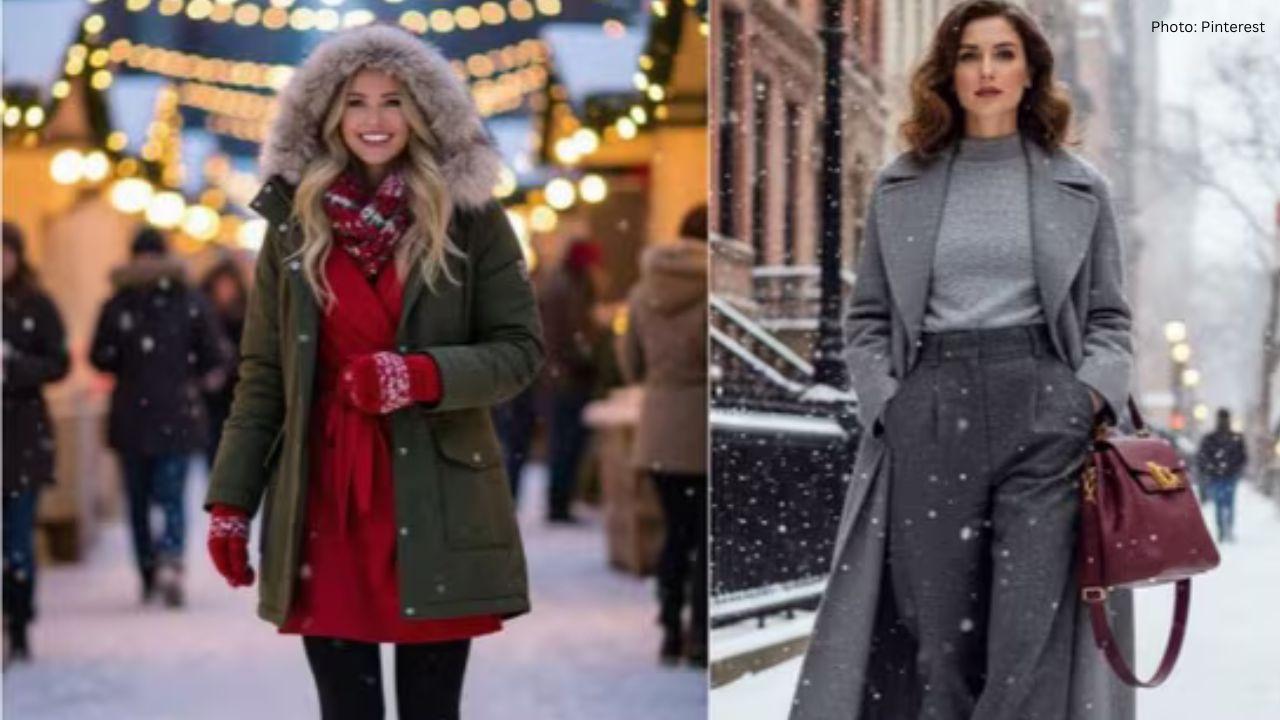
The outer layer is your main protection from winter weather. It shields you from cold winds, rain, and frost. Wool coats are ideal for dry cold, while padded jackets and parkas are better for extreme temperatures. A well-fitted coat keeps cold air from entering, and longer coats help cover more of the body, keeping you warmer.
Many people forget that legs also need protection in winter. Wearing thermal leggings or tights under jeans or trousers can make a big difference. Woollen trousers or fleece-lined pants provide extra warmth. For those who prefer skirts or dresses, thermal stockings help maintain both warmth and style.
Accessories play a bigger role than most people realise. Scarves, gloves, socks, and caps help stop heat from escaping the body. A thick scarf around the neck can instantly make you feel warmer. Wearing a thin pair of socks under a thicker woollen pair keeps feet warm without feeling tight.
Footwear also matters. Shoes with insulated soles protect feet from cold ground. Boots, lined sneakers, or winter shoes with space for thick socks are best. Thin soles should be avoided, as they allow cold to pass through easily.
The goal of layering is balance. You should feel warm but still able to move comfortably. If you feel stiff or sweaty, it means your layers need adjustment. Winter dressing works best when it adapts to your day, indoors and outdoors.
With the right approach, winter does not have to feel like a struggle. Smart layering helps you stay warm, comfortable, and confident without turning into a walking blanket. When done right, winter fashion becomes simple, practical, and stylish at the same time.










Price Increase for Sony PS5 in Southeast Asia Effective May 1
Sony announces a price increase for the PS5 across Southeast Asia starting May 1, 2026, impacting ga

Potential ‘Super El Niño’ in 2026: Understanding the Climate Risks
Could a Super El Niño emerge in 2026? Discover its implications and potential global climate impacts

Global Energy Crisis Intensifies: Markets React to Oil Supply Challenges
Markets are on edge as oil disruptions escalate, influencing prices and economic stability. Explore

Must-See Tourist Spots in London You Can't Overlook
Explore London's essential attractions, from royal landmarks to vibrant markets, ensuring an unforge

Ultimate Guide to Snagging Cheap Flights in 2026
Unlock the secrets to booking affordable flights in 2026 with insightful tips and strategies tailore

The Impact of Consistent Small Investments on Wealth Building
Discover how investing small amounts regularly can positively transform your financial future over t