Post by : Monika
Photo: Reuters
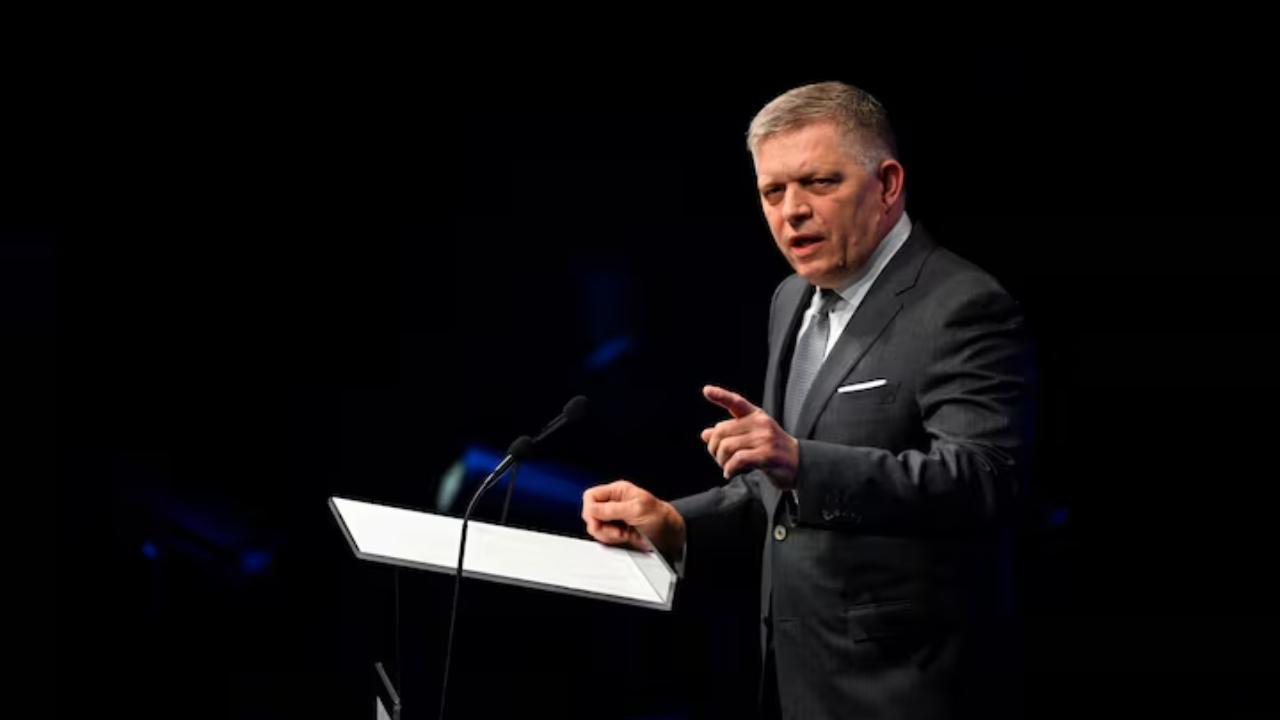
Slovakia’s Prime Minister, Robert Fico, announced that his country will allow the approval of new European Union (EU) sanctions on Russia by this Friday. This decision comes after some uncertainty about whether Slovakia would support the fresh package of sanctions, which aims to pressure Russia over its ongoing war in Ukraine.
What Are These Sanctions About?
The European Union has been working to respond strongly to Russia’s invasion of Ukraine, which began in early 2022. Over time, the EU and its member countries have put in place many sanctions against Russia. These sanctions target different parts of the Russian economy, individuals linked to the war, and key industries like oil and technology.
The new sanctions package is part of the EU’s 14th round of sanctions. It focuses on limiting Russia’s income, especially from oil sales, which are very important for Russia’s government to fund its military actions.
Why Was Slovakia’s Approval Important?
Every EU country must agree to new sanctions before they can be put into action. Slovakia had delayed its decision. Prime Minister Fico had previously expressed concerns about how the sanctions might affect his country’s energy supplies and economy. Slovakia relies on oil and gas supplies, and there were worries that stricter rules could make energy more expensive or harder to get.
However, after discussions and careful consideration, Fico’s government has now agreed to support the new sanctions. This means the EU can move forward and officially approve the package soon.
What Did Prime Minister Fico Say?
In a recent statement, Fico said that Slovakia understands the importance of standing with its European partners. He emphasized that the country will approve the sanctions by Friday, allowing the EU to keep a united front in responding to Russia’s actions in Ukraine.
Fico also highlighted that while Slovakia supports the sanctions, the country will continue to watch carefully how these measures affect its energy security. The government wants to ensure that Slovak citizens and businesses do not face unfair difficulties during this time.
What Do the New Sanctions Include?
The 14th sanctions package from the EU includes several key points:
Lower Oil Price Cap: The EU is setting a lower limit on the price that Russian oil can be sold for in international markets. This is designed to reduce the money Russia makes from oil sales.
Technology Export Controls: The sanctions also aim to stop Russia from getting important technology, especially for its military and energy sectors.
Blacklisting More People: The EU is adding more Russian officials and individuals who support the war to its sanctions blacklist. These people face travel bans and frozen assets in Europe.
Limits on Services: Restrictions are also placed on certain services that Russia might use to support its war efforts.
The goal of these sanctions is to pressure Russia to stop the war and encourage peace talks. The EU hopes that by cutting Russia’s access to money and technology, it can reduce the country's ability to fight in Ukraine.
Why Are Sanctions Important?
Sanctions are a tool used by countries and groups like the EU to influence the actions of other nations without using military force. Instead of fighting with weapons, countries try to hurt the target country’s economy and financial interests so it changes its behavior.
In this case, the EU and other western countries want Russia to stop its invasion of Ukraine. By limiting Russia’s money and resources, they hope to push Russia’s government to end the conflict.
How Does This Affect Slovakia?
Slovakia is a member of the EU and NATO, and it shares a border with Ukraine. The war has affected Slovakia in many ways. Thousands of refugees have come to Slovakia from Ukraine, and the country has had to adjust its economy and security measures.
Because of this close connection, Slovakia has a strong interest in supporting Ukraine and the EU’s efforts to help. But Slovakia is also cautious about its own energy needs. Like many European countries, Slovakia imports oil and gas, and it worries about higher costs or shortages caused by sanctions on Russia.
By agreeing to the new sanctions, Slovakia shows it wants to be part of the united EU response. At the same time, its leaders want to balance this with protecting their own people’s interests.
What Happens Next?
With Slovakia’s approval, the EU can now finalize the sanctions package. This means the new rules and restrictions will be put into place soon. Member countries will begin enforcing the limits on Russian oil prices, technology exports, and travel bans.
The sanctions will also send a strong message to Russia and the world that the EU is serious about supporting Ukraine and trying to end the war.
Broader Context of EU-Russia Relations
The EU has steadily increased its sanctions on Russia since the war began. These actions have caused economic problems for Russia but have also affected some EU countries because of their close trade ties with Russia.
Countries like Germany, Italy, and Slovakia have been careful to balance their energy needs with political goals. Some countries have tried to find ways to reduce their reliance on Russian energy by finding other suppliers or using renewable energy sources.
The situation is complicated, but the EU’s goal remains clear: to maintain unity and keep pressure on Russia to stop its war in Ukraine.
What Does This Mean for the Future?
The decision by Slovakia to approve the sanctions shows that most EU countries want to stay united, even when there are challenges. A united Europe is stronger when dealing with crises like the war in Ukraine.
For Russia, these sanctions could mean less money and fewer resources to continue fighting. For Ukraine, it means the EU continues to support the country’s fight for freedom.
For ordinary people in Slovakia and Europe, it could mean some changes in energy prices or availability. But it also means their governments are working to keep peace and security in the region.






DAE Achieves Remarkable Growth in Q1 2026 With Record Revenue
Dubai Aerospace Enterprise announces impressive financial results for Q1 2026, reflecting a surge in

Price Increase for Sony PS5 in Southeast Asia Effective May 1
Sony announces a price increase for the PS5 across Southeast Asia starting May 1, 2026, impacting ga

Potential ‘Super El Niño’ in 2026: Understanding the Climate Risks
Could a Super El Niño emerge in 2026? Discover its implications and potential global climate impacts

Global Energy Crisis Intensifies: Markets React to Oil Supply Challenges
Markets are on edge as oil disruptions escalate, influencing prices and economic stability. Explore

Must-See Tourist Spots in London You Can't Overlook
Explore London's essential attractions, from royal landmarks to vibrant markets, ensuring an unforge

Ultimate Guide to Snagging Cheap Flights in 2026
Unlock the secrets to booking affordable flights in 2026 with insightful tips and strategies tailore




