Post by : Shweta
Dattatreya Hosabale, General Secretary of the Rashtriya Swayamsevak Sangh (RSS), has categorically dismissed any comparisons of the RSS to the Ku Klux Klan, describing such assertions as misleading and rooted in historical misunderstandings. His remarks were delivered during a session at the New India Conference organized by the Hudson Institute in the U.S.
He expressed that the RSS has often been misrepresented both in India and abroad, with narratives framing the organization as a “Hindu supremacist” group or portraying it as anti-minority, anti-Christian, and anti-modern being inaccurate. According to Hosabale, these perceptions have arisen from selective reporting and a misunderstanding of the organization's core philosophy and activities.
During the discussion, he reiterated that the RSS does not advocate any form of supremacy, emphasizing that Hindu philosophy is grounded in the concepts of universal unity and harmony, viewing the world as a single family. This principle, he noted, is incompatible with any notion of supremacy and contrary to the foundational values of the RSS. Additionally, he pointed out that India’s historical context does not support expansionist ideologies, further disputing any such labels.
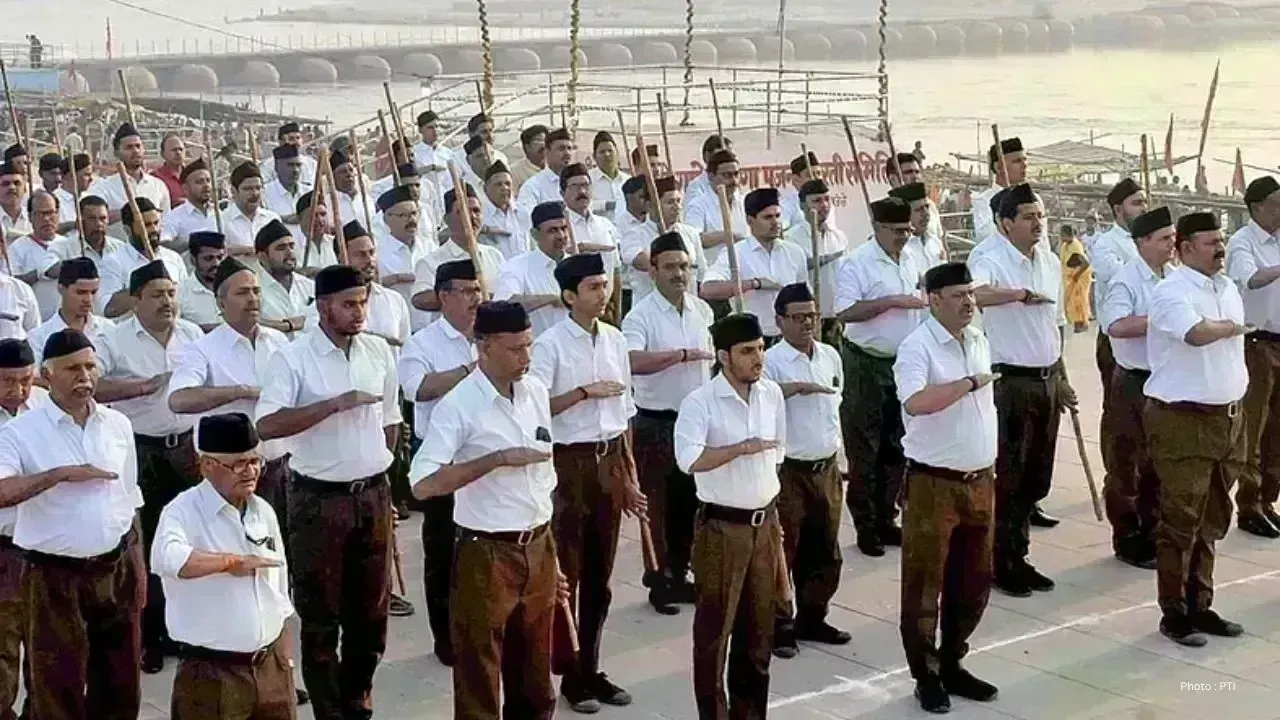
Hosabale characterizes the RSS as a volunteer organization dedicated to character-building, discipline, and social service. He explained that activities, such as daily and weekly gatherings known as shakhas, serve to instill values like self-confidence, community service, and accountability in citizens, contributing positively to society.
He elaborated that the RSS perceives the concept of “Hindu” identity as civilizational, reflecting shared historical and cultural values rather than religious exclusivity. According to him, conflicts among communities are frequently politically driven and misinterpreted through historical lenses, not reflective of the RSS’s core principles.
Discussing global perceptions, Hosabale remarked that the misconceptions surrounding the RSS echo misunderstandings about India itself in various international contexts. He underscored the need for engagement and dialogue to clarify the organization’s missions and contributions.
The RSS leader highlighted the extensive network of the organization, noting that it operates thousands of shakhas nationwide. He emphasized that RSS volunteers participate in numerous social initiatives, including disaster relief, education, healthcare, rural development, and environmentalism, showcasing the organization’s commitment to service and nation-building.
On modernization, Hosabale illustrated that cultural values and modern development can coexist. He referenced countries that maintain their traditions while achieving technological advancements, proposing that India, too, can embrace this path.
In summary, Hosabale’s address aimed to clarify the RSS's identity as a cultural and social organization focused on unity and service, while adequately addressing prevailing critiques on global platforms.








Price Increase for Sony PS5 in Southeast Asia Effective May 1
Sony announces a price increase for the PS5 across Southeast Asia starting May 1, 2026, impacting ga

Potential ‘Super El Niño’ in 2026: Understanding the Climate Risks
Could a Super El Niño emerge in 2026? Discover its implications and potential global climate impacts

Global Energy Crisis Intensifies: Markets React to Oil Supply Challenges
Markets are on edge as oil disruptions escalate, influencing prices and economic stability. Explore

Must-See Tourist Spots in London You Can't Overlook
Explore London's essential attractions, from royal landmarks to vibrant markets, ensuring an unforge

Ultimate Guide to Snagging Cheap Flights in 2026
Unlock the secrets to booking affordable flights in 2026 with insightful tips and strategies tailore

The Impact of Consistent Small Investments on Wealth Building
Discover how investing small amounts regularly can positively transform your financial future over t