Post by : Saif Nasser
Dr. Jayesh Sharma, a prominent cancer surgeon in Raipur, has raised an urgent alarm regarding a common cooking practice many families in India often overlook. With over two decades of experience, he identifies the reuse of cooking oil after deep-frying as a particularly hazardous habit prevalent in Indian kitchens. Despite the intention to economize, he cautions that this practice can lead to severe health consequences that are not immediately apparent. His core message emphasizes the value of health over the economically tempting practice of saving leftover oil.
Sharing his concerns through social media, Dr. Sharma elaborated on the dangers associated with reheating used cooking oil. He explained that multiple uses of oil can generate harmful compounds, including aldehydes, free radicals, and trans fats. These toxic elements can infiltrate food, subsequently entering the body and gradually damaging cells, even impacting DNA. This escalation in toxicity can significantly heighten the risk of developing cancer, cardiovascular diseases, and other chronic health issues. Notably, even oil that appears pristine can contain unseen dangers.
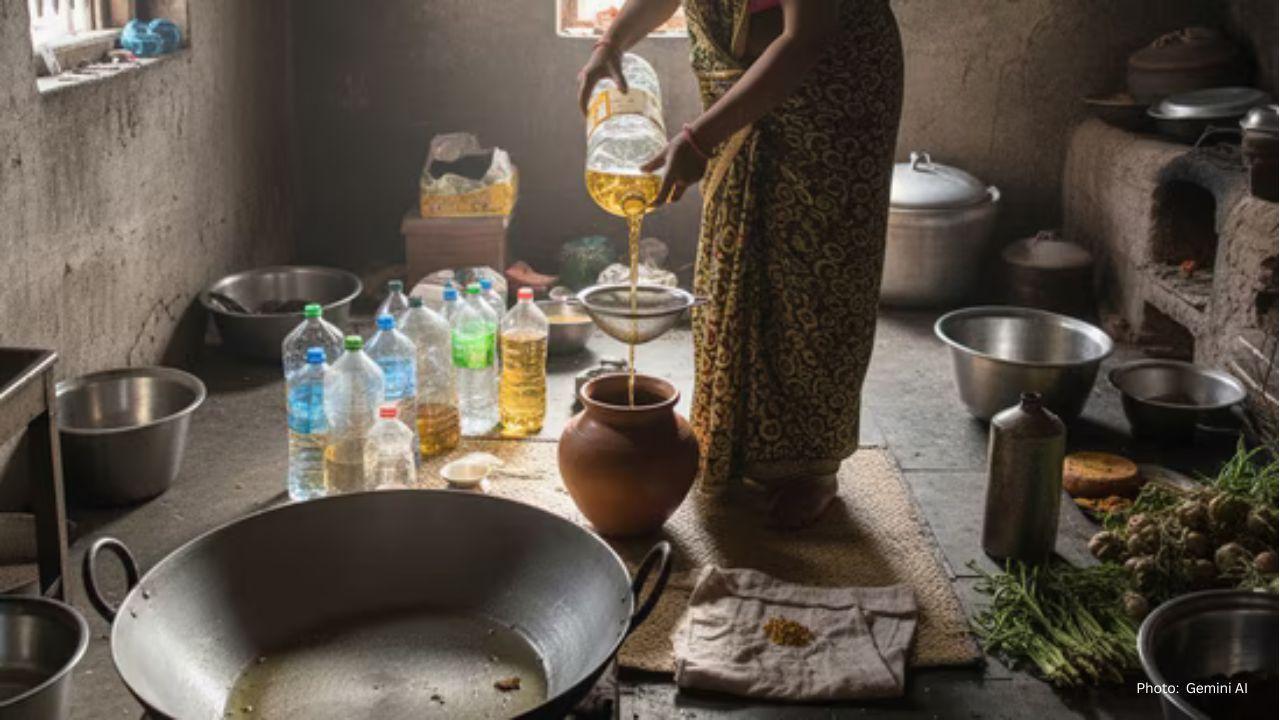
Dr. Sharma pointed out that many Indian households treat their leftover cooking oil as a valuable resource. It commonly gets stored after frying puris, pakoras, and snacks, but each reheating makes it more dangerous. Indicators such as a darkened appearance, thickening, and an unusual smell signal toxicity, but the true danger lies within changes occurring at a chemical level, potentially causing inflammation, blocked arteries, elevated cholesterol, and increased cancer risk. Individuals who seem healthy might be secretly affected by the detrimental effects of reused oil.
If one must reuse oil, Dr. Sharma notes that mustard oil and groundnut oil may pose slightly less risk compared to other oils. Nonetheless, he strictly recommends against reuse after deep frying. Regardless of the type, oil that has undergone significant reheating is detrimental. He advocates for using smaller amounts of fresh oil and encourages healthier cooking methods like steaming, grilling, or baking, steering clear of deep frying.
The oncologist highlights that reusing oil does not equate to savings; rather, it can lead to hefty medical bills in the long run. Diseases associated with reused oil often creep in quietly, with many unaware of the cause until severe symptoms surface. He urged families to implement small changes now to safeguard their health in the future. Avoiding reused oil, opting for safer cooking practices, and being mindful of dietary choices can stave off many health complications.
In conclusion, Dr. Sharma poignantly reminds everyone that health should always take precedence over financial savings. Discarding used oil may seem wasteful, but protecting one's health is far more critical. The real cost of reusing oil is embodied in one’s health and wellbeing. His warning is a call to action for households to reconsider this commonplace habit and choose health over cost.










Price Increase for Sony PS5 in Southeast Asia Effective May 1
Sony announces a price increase for the PS5 across Southeast Asia starting May 1, 2026, impacting ga

Potential ‘Super El Niño’ in 2026: Understanding the Climate Risks
Could a Super El Niño emerge in 2026? Discover its implications and potential global climate impacts

Global Energy Crisis Intensifies: Markets React to Oil Supply Challenges
Markets are on edge as oil disruptions escalate, influencing prices and economic stability. Explore

Must-See Tourist Spots in London You Can't Overlook
Explore London's essential attractions, from royal landmarks to vibrant markets, ensuring an unforge

Ultimate Guide to Snagging Cheap Flights in 2026
Unlock the secrets to booking affordable flights in 2026 with insightful tips and strategies tailore

The Impact of Consistent Small Investments on Wealth Building
Discover how investing small amounts regularly can positively transform your financial future over t