Post by : Shakul
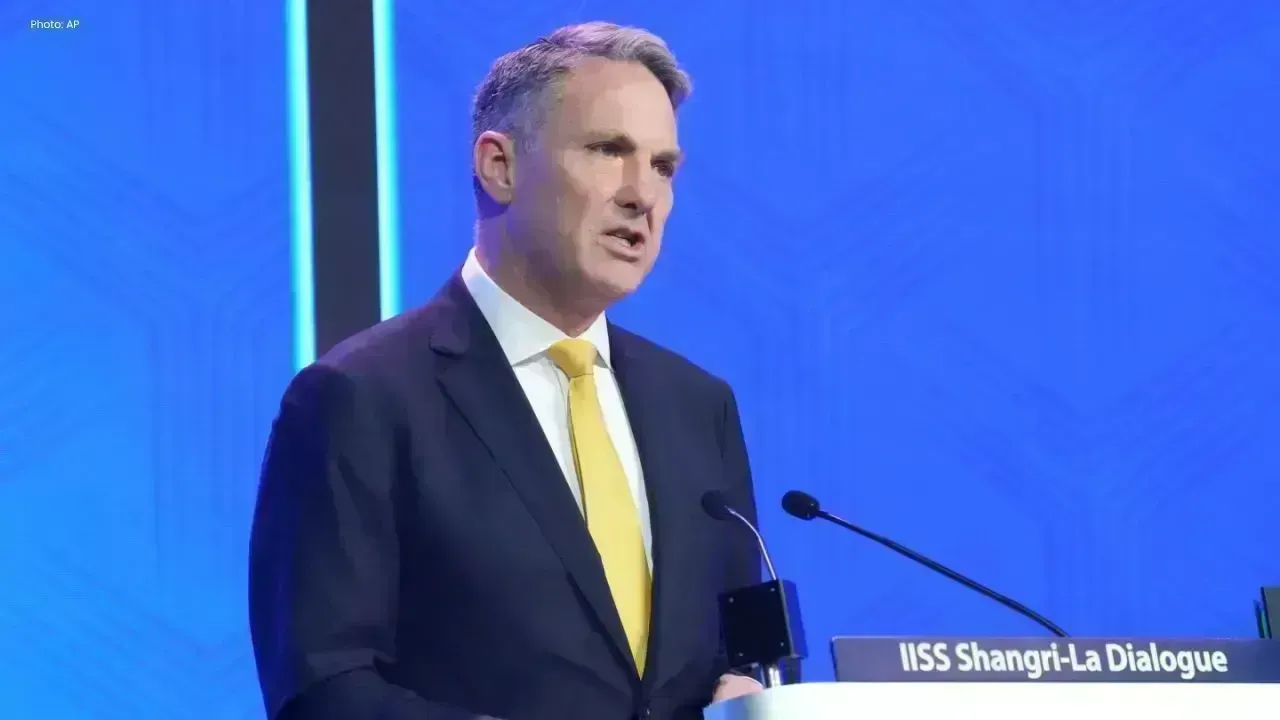
The United States has reiterated its dedication to ensuring security and stability in the Indo-Pacific region, with Defense Secretary Pete Hegseth highlighting the country’s long-term strategic engagement at the Shangri-La Dialogue held in Singapore. Speaking to international leaders, diplomats, and security officials, Hegseth underscored the Pacific's crucial role in sustaining American security and economic welfare.
While his comments reflected a more tempered approach toward China than in earlier addresses, Hegseth made it clear that the U.S. aims to maintain a favorable balance of power in the region. He pointed out that Washington is pursuing a constructive relationship with Beijing while also protecting U.S. national interests and strengthening regional alliances.
This statement followed a significant meeting between U.S. President Donald Trump and Chinese President Xi Jinping in Beijing. Hegseth stated that both leaders recognized the importance of promoting strategic stability, fairness, and reciprocity in their relations, indicating areas where cooperation could be feasible.
Despite the more diplomatic tone, Hegseth expressed apprehensions about China's growing military strength and its expanding influence in the region. He cautioned that the dominance of any single power in the Indo-Pacific could jeopardize regional stability and threaten the delicate balance that many neighboring nations seek to uphold.
The U.S. defense secretary also touched on the delicate issue of Taiwan, while refraining from discussing a proposed arms package. He affirmed that there has been no change in the U.S. stance toward Taiwan, noting that future military assistance decisions would ultimately be made by President Trump.
Another key point in Hegseth's address was the importance of burden-sharing among allies. He commended several Asian countries for their increased defense budgets and more proactive roles in ensuring regional security, arguing that robust partnerships should rely on shared interests and mutual obligations rather than dependency.
His remarks elicited varying responses from regional leaders and U.S. lawmakers present at the dialogue. Some expressed concern over the U.S. evolving policy concerning China, while others reinforced the necessity of a rules-based international system. Australian Defense Minister Richard Marles emphasized that global regulations are vital for safeguarding the sovereignty of smaller nations and for ensuring regional stability.
As the geopolitical landscape continues to evolve in the Indo-Pacific, Hegseth’s address highlighted the U.S. intent to remain a crucial security ally while striving for a balance between competition and cooperation in its relationship with China.




Meta Unveils Subscription Plans for Instagram, Facebook, and WhatsApp
Meta introduces new subscription plans for users of Instagram, Facebook, and WhatsApp, featuring enh
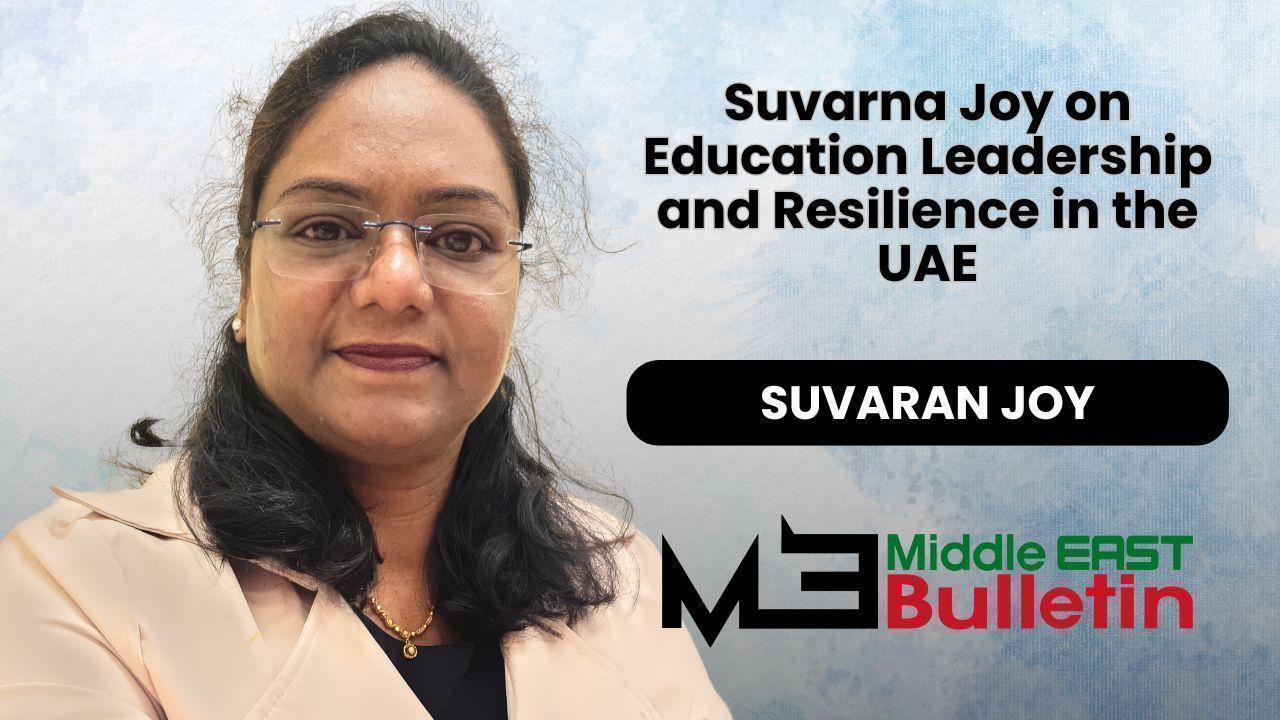
Suvarna Joy on Education Leadership, Resilience, and Building Purpose Through Adversity in the UAE
Suvarna Joy shares her journey of education leadership, motherhood, faith, and resilience within the

Anticipated Dates for UAE Eid Al Adha 2026 Unveiled by Astronomical Experts
Experts predict Eid Al Adha 2026 in the UAE to start on May 27, prompting early holiday planning amo

DAE Achieves Remarkable Growth in Q1 2026 With Record Revenue
Dubai Aerospace Enterprise announces impressive financial results for Q1 2026, reflecting a surge in

Price Increase for Sony PS5 in Southeast Asia Effective May 1
Sony announces a price increase for the PS5 across Southeast Asia starting May 1, 2026, impacting ga

Potential ‘Super El Niño’ in 2026: Understanding the Climate Risks
Could a Super El Niño emerge in 2026? Discover its implications and potential global climate impacts




