Post by : Saif Nasser
Myopia, commonly referred to as near-sightedness, is increasingly prevalent among children, sparking concerns among health professionals globally. The World Health Organization has projected that by 2050, nearly half of the world's youth could be affected. This alarming trend underscores the need for early detection and appropriate eye care.
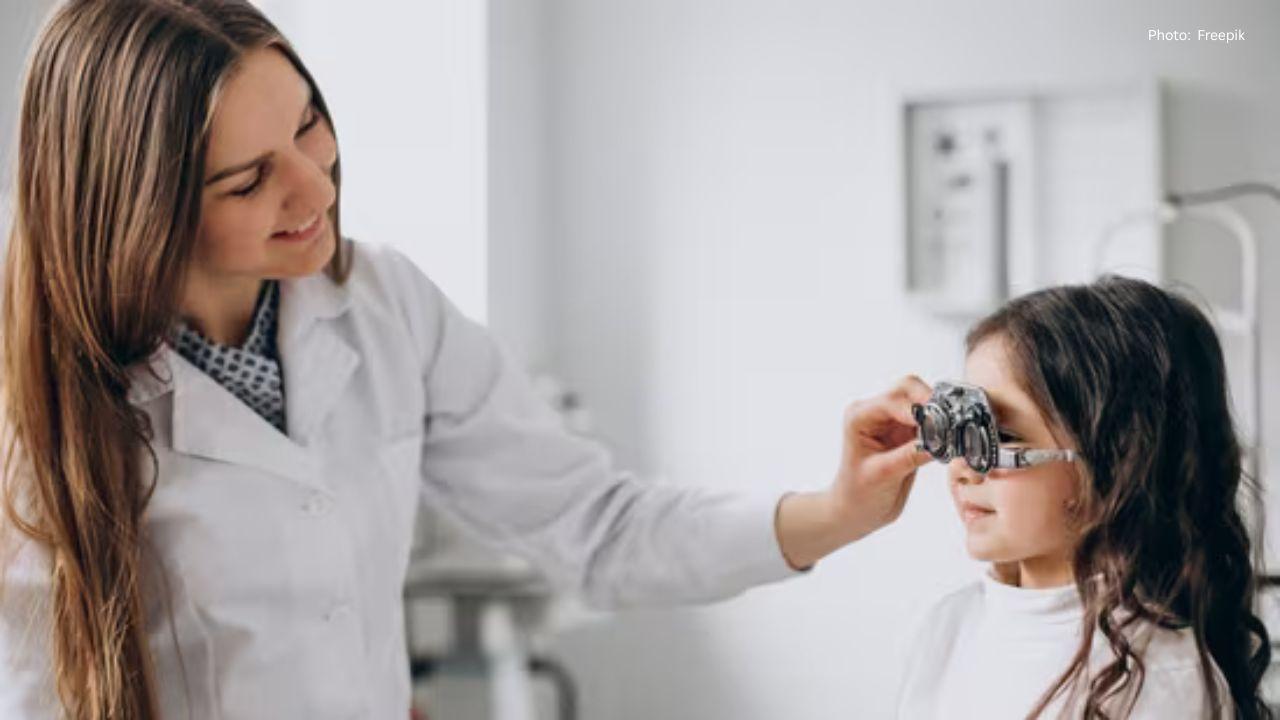
To shed light on this pressing issue, HT Lifestyle consulted with Dr. Divya B, a pediatric ophthalmologist. She notes that while children with myopia can see nearby objects clearly, distant views become blurry. This can complicate everyday activities such as attending school, viewing television, or engaging in outdoor play.
Dr. Divya forecasts a staggering rise in myopia rates, estimating that about 32 percent of children may be affected by 2030, with potential peaks of 40 percent by 2040 and nearly 48 percent by 2050. She cautions that untreated cases of myopia pose significant long-term health risks, including glaucoma, cataracts, and retinal detachment.
One pressing concern is the rapid progression of myopia during childhood and adolescence. If it escalates swiftly, it can lead to high myopia, which entails increased lifelong health risks. However, early identification can help mitigate these effects, making routine eye check-ups essential for all children, especially those with a parental history of myopia.
Dr. Divya advises parents to be vigilant for these warning signs:
1. Squinting or narrowing the eyes
A child may squint to clarify distance vision, particularly in academic or outdoor settings.
2. Sitting too close to screens
Children suffering from myopia frequently position themselves near TVs or hold books and digital devices close to their faces.
3. Closing one eye for better clarity
If a child shuts one eye when focusing on distant objects, it may indicate blurred vision.
4. Regular headaches or eye strain
Difficulty in focusing on distant objects can lead to fatigue and headaches.
5. Complaints of blurred distance vision
Children might express issues with reading from the blackboard or recognizing people from afar.
Dr. Divya emphasizes that overlooking these symptoms can exacerbate the situation. Parents should avoid dismissing their child's concerns as trivial or fleeting.
Additionally, cultivating simple protective habits can aid in preserving children's vision. More time spent outdoors, taking regular breaks from screens, and maintaining proper reading distances can yield significant benefits. Importantly, yearly eye examinations are essential—more frequent visits may be warranted if myopia runs in the family.
Myopia doesn't have to dictate a child's future. By recognizing these indicators early and acting accordingly, parents can significantly contribute to safeguarding their child’s eyesight.








Price Increase for Sony PS5 in Southeast Asia Effective May 1
Sony announces a price increase for the PS5 across Southeast Asia starting May 1, 2026, impacting ga

Potential ‘Super El Niño’ in 2026: Understanding the Climate Risks
Could a Super El Niño emerge in 2026? Discover its implications and potential global climate impacts

Global Energy Crisis Intensifies: Markets React to Oil Supply Challenges
Markets are on edge as oil disruptions escalate, influencing prices and economic stability. Explore

Must-See Tourist Spots in London You Can't Overlook
Explore London's essential attractions, from royal landmarks to vibrant markets, ensuring an unforge

Ultimate Guide to Snagging Cheap Flights in 2026
Unlock the secrets to booking affordable flights in 2026 with insightful tips and strategies tailore

The Impact of Consistent Small Investments on Wealth Building
Discover how investing small amounts regularly can positively transform your financial future over t




