Post by : Monika
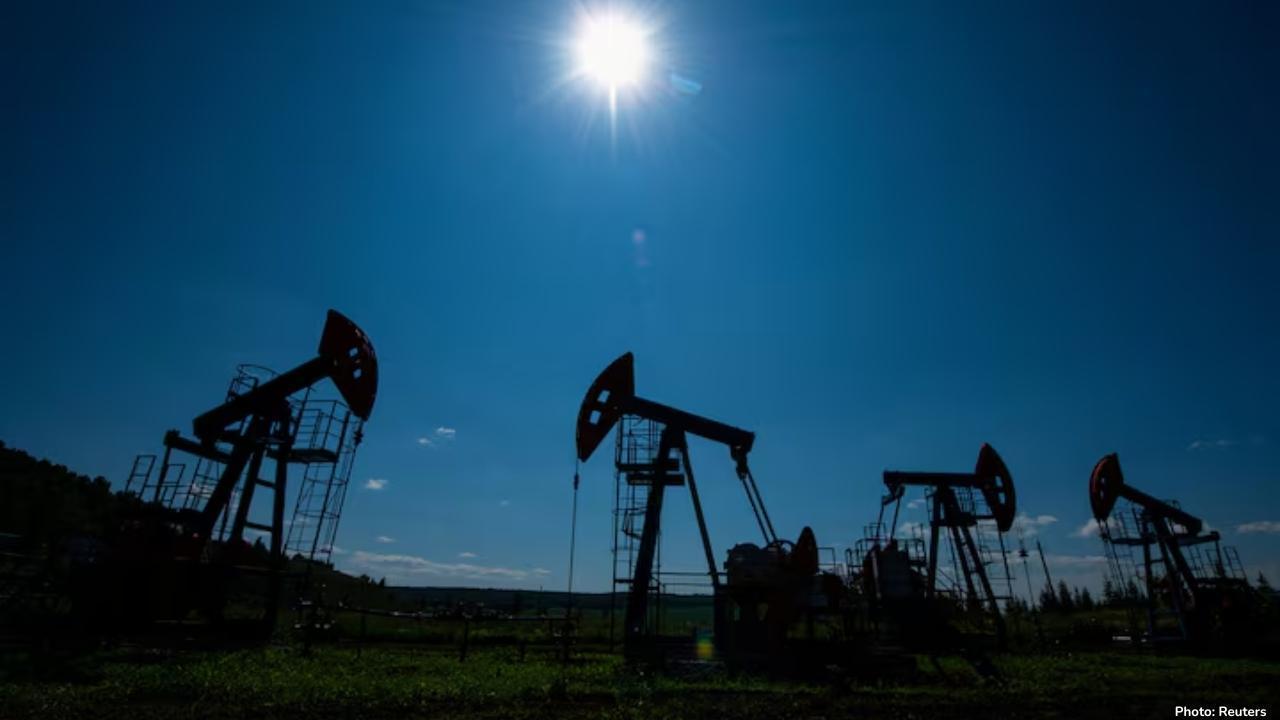
On October 2, 2025, oil prices rose after having fallen to their lowest levels in 16 weeks. This increase came as investors reacted to the possibility of stricter sanctions on Russian crude oil and started buying oil near key support levels. The rebound was modest but significant because it followed a period of three straight days of losses.
Oil Price Movements
Brent crude oil, which is the international benchmark, increased by 0.57% to reach $65.72 per barrel. At the same time, U.S. West Texas Intermediate (WTI) crude oil, the benchmark in the United States, rose by 0.55% to $62.12 per barrel.
This price recovery followed a three-day slide during which Brent and WTI both lost about 1% of their value. Brent had closed at its lowest since June 5, while WTI had fallen to its lowest level since May 30.
The recent decline in oil prices was influenced by fears of weaker demand and rising inventories in the United States, but the rebound suggests that the market is reacting to geopolitical factors and technical buying. Analysts noted that when WTI prices approached the $60 support level, buyers stepped in to prevent further losses.
Factors Influencing Oil Prices
Several key factors are currently influencing oil prices, including geopolitical developments, supply decisions by oil-producing countries, and demand from major consumers.
Russian Crude Sanctions
One of the main drivers of the recent price rebound is the possibility of tighter sanctions on Russian crude oil. The Group of Seven (G7) finance ministers announced plans to put more pressure on Russia. These plans are aimed at stopping companies and countries from buying Russian crude oil or helping Russia get around existing sanctions.
In addition, the United States has committed to assisting Ukraine with intelligence for long-range strikes on Russian energy infrastructure. The goal is to limit revenue for the Kremlin by reducing Russia’s ability to export oil and gas. These measures create uncertainty in global oil markets, as Russia is one of the world’s largest oil producers. Any restriction on its exports can lead to higher oil prices worldwide.
Chinese Stockpiling
Another factor supporting oil prices is China’s increased demand for crude oil. Reports indicate that China has been buying crude to build up its reserves. This trend adds to global demand and helps prevent prices from falling further. China’s role as a major oil importer means that any increase in its stockpiling or industrial use can have a strong influence on international prices.
Technical Rebound
In addition to geopolitical factors, analysts have identified a technical rebound as a reason for the price increase. Oil traders often watch key support levels closely, and when prices reach these levels, they start buying. In this case, WTI approaching $60 acted as a support point that encouraged buying, leading to the modest price rebound observed on October 2.
OPEC+ Production Plans
While oil prices rebounded, concerns about oversupply continue to limit how high they can rise. The Organization of the Petroleum Exporting Countries and its allies, known as OPEC+, are considering increasing oil production by up to 500,000 barrels per day in November. This potential increase in supply could put downward pressure on prices if demand does not grow correspondingly.
OPEC+ decisions are closely monitored by global markets because these countries control a significant portion of the world’s oil supply. Any increase in production can affect prices, while a cut in output can support them. Market analysts are watching upcoming OPEC+ meetings to assess how production decisions may influence prices in the coming months.
U.S. Oil Inventory Data
Data from the U.S. Energy Information Administration (EIA) has also influenced oil prices. Recent reports show that crude oil, gasoline, and distillate inventories in the United States have increased. This suggests that demand may be weaker than expected and that refineries are producing more than the market is consuming.
Higher inventories usually put downward pressure on prices because they indicate that supply is exceeding demand. Despite the rebound on October 2, analysts caution that underlying demand remains a concern. Traders are balancing the effects of geopolitical tension with the practical realities of supply and inventory levels.
Global Market Context
The oil market is influenced by many factors, including political developments, natural disasters, economic trends, and supply-demand balances. In recent months, oil prices have experienced fluctuations due to uncertainties related to Russia, OPEC+ production decisions, and the global economic recovery.
For example, ongoing conflicts in Eastern Europe, particularly involving Russia and Ukraine, affect oil exports and create fears of supply disruption. Countries dependent on Russian crude are seeking alternatives, which can also drive prices higher. At the same time, economic slowdowns in major markets could reduce demand for oil, putting downward pressure on prices.
Impact of Geopolitical Tensions
Geopolitical tensions have a direct impact on oil prices because oil is a globally traded commodity. Any event that threatens supply, such as sanctions, conflicts, or transportation blockages, tends to increase prices due to uncertainty.
The recent G7 discussions about tighter sanctions on Russian oil are a clear example of this dynamic. Traders and investors anticipate that restrictions could reduce the amount of Russian oil available on the global market. Since Russia is one of the top oil exporters, any reduction in supply can have significant effects on prices worldwide.
Market Reactions and Investor Behavior
Investors often respond quickly to news of sanctions, production changes, and supply disruptions. In this case, the possibility of tighter sanctions on Russian crude and the intelligence support for strikes on Russian energy infrastructure created a sense of urgency among traders. This prompted them to buy oil, leading to the price rebound seen on October 2.
At the same time, traders remain cautious due to the potential oversupply from OPEC+ and high inventory levels in the United States. Many investors are waiting for more concrete data on supply, demand, and geopolitical developments before committing to large trades.
Analyst Perspectives
Energy analysts have pointed out that oil prices are balancing between two opposing forces. On one side, geopolitical concerns and increased Chinese demand are supporting prices. On the other side, oversupply and rising U.S. inventories are limiting gains.
Analysts also emphasize the importance of monitoring OPEC+ decisions. If OPEC+ decides to increase production significantly, prices may fall despite geopolitical tensions. Conversely, if production cuts are maintained or extended, prices could rise further.
Short-Term Outlook
In the short term, oil prices are expected to remain volatile. Traders will continue to react to news about sanctions, OPEC+ production decisions, and inventory reports. Prices may fluctuate daily based on new information from markets, governments, and industry reports.
Investors and market observers are particularly focused on the situation in Russia and Ukraine. Any unexpected developments, such as new sanctions, disruptions in oil exports, or changes in energy policy, could lead to sharp price movements.
Long-Term Considerations
Over the longer term, oil markets are influenced by global economic trends, energy transition policies, and changes in supply and demand. Many countries are investing in renewable energy sources and reducing dependence on fossil fuels. However, oil remains a critical energy source for transportation, industry, and electricity generation, ensuring continued demand for decades.
Geopolitical events, including conflicts, sanctions, and trade agreements, will continue to shape oil markets. Investors and policymakers need to consider both short-term fluctuations and long-term trends when making decisions related to oil.
On October 2, 2025, oil prices rebounded after falling to 16-week lows. Brent crude rose to $65.72 per barrel, and WTI reached $62.12 per barrel. This rebound was supported by the threat of tighter sanctions on Russian crude oil, Chinese stockpiling, and technical buying near support levels.
However, concerns about oversupply from OPEC+ and rising inventories in the United States limited the upside. The market remains cautious, balancing geopolitical tensions with supply and demand realities.
The coming weeks will be important as OPEC+ meets to discuss production, and as international developments in Russia, Ukraine, and other regions continue to influence oil trade. Traders and investors will watch closely, making decisions based on geopolitical events, inventory data, and global demand trends.
Oil markets are complex and sensitive to multiple factors. Prices are not determined by a single event but by a combination of supply, demand, political events, and economic conditions. The rebound on October 2 highlights how quickly markets can respond to geopolitical news and potential policy changes.
As the situation develops, analysts and traders will continue to monitor events in Russia, OPEC+ decisions, U.S. inventory reports, and global economic conditions. These factors will collectively determine whether oil prices continue to rise, stabilize, or fall in the coming months.









Anticipated Dates for UAE Eid Al Adha 2026 Unveiled by Astronomical Experts
Experts predict Eid Al Adha 2026 in the UAE to start on May 27, prompting early holiday planning amo

DAE Achieves Remarkable Growth in Q1 2026 With Record Revenue
Dubai Aerospace Enterprise announces impressive financial results for Q1 2026, reflecting a surge in

Price Increase for Sony PS5 in Southeast Asia Effective May 1
Sony announces a price increase for the PS5 across Southeast Asia starting May 1, 2026, impacting ga

Potential ‘Super El Niño’ in 2026: Understanding the Climate Risks
Could a Super El Niño emerge in 2026? Discover its implications and potential global climate impacts

Global Energy Crisis Intensifies: Markets React to Oil Supply Challenges
Markets are on edge as oil disruptions escalate, influencing prices and economic stability. Explore

Must-See Tourist Spots in London You Can't Overlook
Explore London's essential attractions, from royal landmarks to vibrant markets, ensuring an unforge




