Post by : Raina Nasser
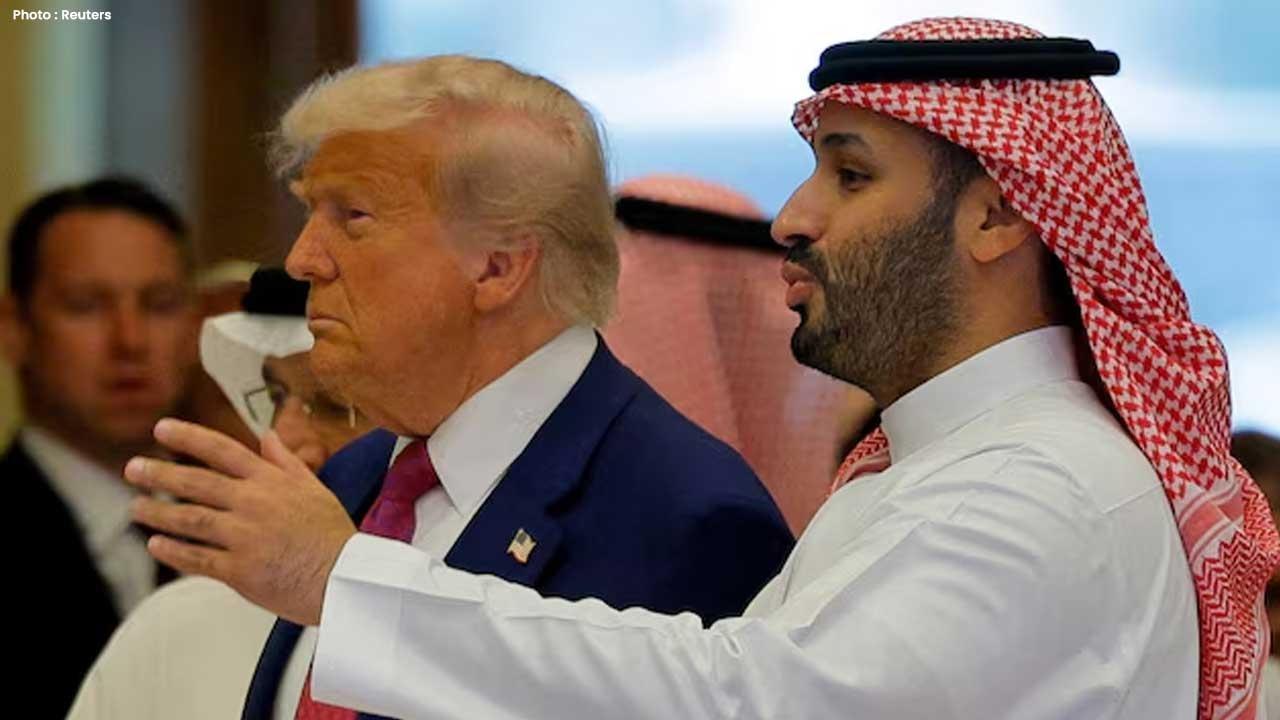
Crown Prince Mohammed bin Salman of Saudi Arabia, the kingdom's de facto leader, will be warmly welcomed in Washington next Tuesday, highlighting a significant turnaround in US-Saudi relations after years of strain. The red-carpet arrival, hosted by President Donald Trump, marks MBS's first trip to the US since the controversial assassination of journalist Jamal Khashoggi in 2018, which severely impacted bilateral ties. Today, however, both nations appear eager to reinforce military partnerships, enhance economic collaboration, and envision a cooperative future for the Middle East.
On this important agenda, discussions will focus on advanced weaponry, substantial investment agreements, innovative technology partnerships, and possibly a breakthrough in regional diplomacy. A principal topic will be the proposed sale of 48 F-35 fighter jets to Saudi Arabia. Trump confirmed in advance of the visit that "we'll be selling" the aircraft, indicating a willingness to approve a deal that could drastically alter the military landscape in the region. The longstanding US policy has restricted the F-35 to ensure Israel remains the sole Middle Eastern nation equipped with these advanced jets, thus permitting Saudi acquisition would indicate a critical policy adjustment, potentially requiring assurances to Israel.
Moreover, this visit carries substantial economic implications. Saudi Arabia is anticipated to reiterate its commitment of $600 billion for future investments in various US industries, spanning defense, energy, manufacturing, and artificial intelligence. Trump has often emphasized the importance of fostering economic ties with Riyadh, aiming to expedite these pledges during MBS's visit. Senior officials in the White House have suggested that several agreements are on the horizon, aimed at deepening enduring cooperation and solidifying strategic dependencies.
Additionally, an ongoing theme will be the increasing Chinese influence in the Gulf region. The US sees Saudi Arabia as a vital ally in countering China's growing presence in energy, technology, and defense sectors. Experts assert that the US aims to ensure that Riyadh remains aligned with its security and economic frameworks. Former US negotiator Dennis Ross points out that the Biden administration views robust ties with Saudi Arabia as crucial for maintaining the kingdom's connections to the US in security, finance, artificial intelligence, and energy—rather than China.
During this visit, Trump is also expected to encourage MBS to join the Abraham Accords, which were initially signed by Israel, Bahrain, the UAE, Morocco, and Sudan, marking a significant achievement from Trump’s previous administration. Saudi participation would represent a monumental step forward since the accords' inception. However, Riyadh maintains that full normalization with Israel hinges on tangible progress towards Palestinian statehood. With the ongoing Gaza conflict amplifying regional tensions, the potential for immediate developments is low. Nevertheless, even minimal achievements during this visit could set the stage for a broader US-Saudi security arrangement.
Experts predict that a new security pact between the nations is increasingly possible, even without immediate normalization with Israel. Such an agreement could encompass defense assurances, heightened military collaboration, and US backing for Saudi Arabia's civilian nuclear aspirations. Jonathan Panikoff, a former US intelligence official, notes that the kingdom's substantial investment promises could pave the way for closer strategic relations as Trump aims to regain US sway in a rapidly evolving Middle East.
The significance of this visit transcends the agreements on the agenda. Following the outrage and condemnation spurred by Khashoggi’s murder, relations appeared irreparable. Yet the forthcoming red-carpet reception represents a pragmatic shift: both countries recognize their mutual importance. The US seeks stability, investment, and a trustworthy regional ally, while Saudi Arabia looks for advanced weaponry, modern technologies, global investment channels, and robust security guarantees.
As MBS arrives at the White House for a day packed with distinguished meetings, elegant dinners, and confidential discussions, one thing is clear—the trajectory of US-Saudi relations is in the process of transformation. The outcomes of this visit have the potential to redefine the Middle Eastern power balance for years ahead.







DAE Achieves Remarkable Growth in Q1 2026 With Record Revenue
Dubai Aerospace Enterprise announces impressive financial results for Q1 2026, reflecting a surge in

Price Increase for Sony PS5 in Southeast Asia Effective May 1
Sony announces a price increase for the PS5 across Southeast Asia starting May 1, 2026, impacting ga

Potential ‘Super El Niño’ in 2026: Understanding the Climate Risks
Could a Super El Niño emerge in 2026? Discover its implications and potential global climate impacts

Global Energy Crisis Intensifies: Markets React to Oil Supply Challenges
Markets are on edge as oil disruptions escalate, influencing prices and economic stability. Explore

Must-See Tourist Spots in London You Can't Overlook
Explore London's essential attractions, from royal landmarks to vibrant markets, ensuring an unforge

Ultimate Guide to Snagging Cheap Flights in 2026
Unlock the secrets to booking affordable flights in 2026 with insightful tips and strategies tailore




