Post by : Saif Nasser
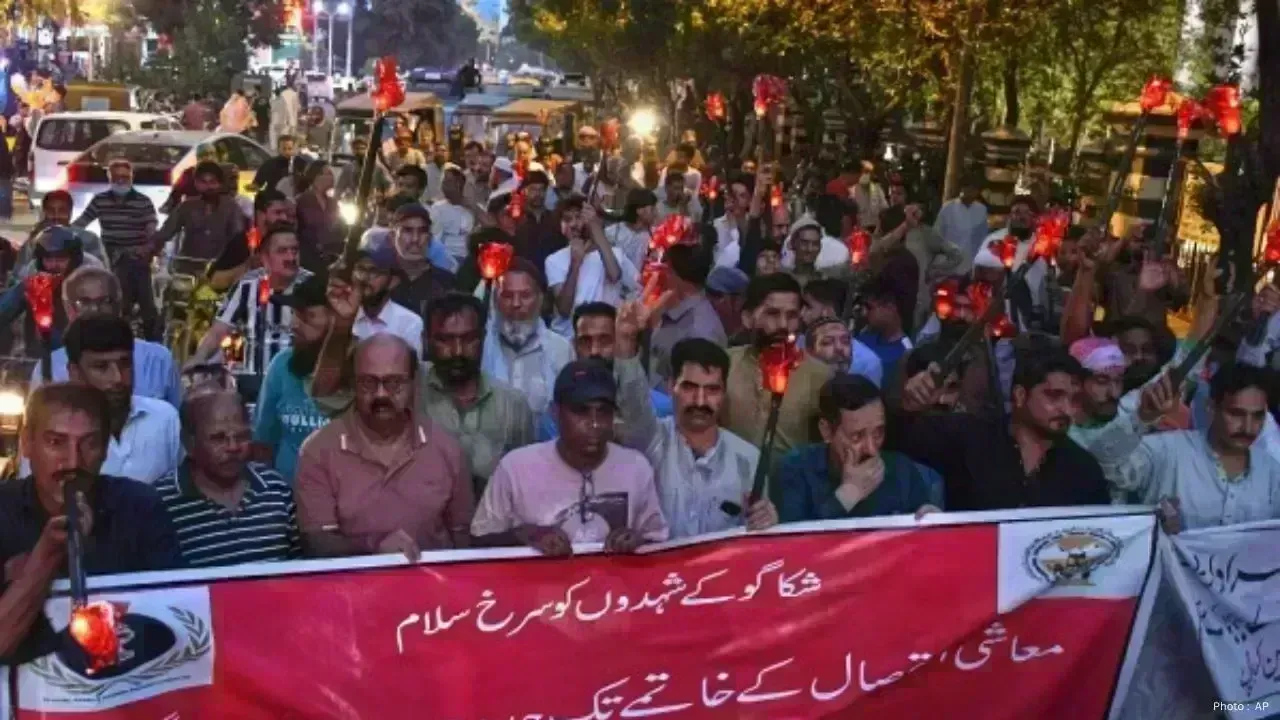
Across the world, large crowds of workers, trade unions, students, and civil society groups came together to mark International Workers’ Day 2026. The day was filled with rallies, marches, and public gatherings in many countries, where people raised their voices on key issues affecting daily life.
From major cities in Europe and Asia to regions in Africa and the Americas, thousands of people joined peaceful demonstrations. They carried banners, shouted slogans, and listened to speeches by labor leaders. The overall message was clear: workers are demanding fair treatment, better pay, safer workplaces, and a more stable future.
One of the most important concerns this year was the rising cost of living. In many parts of the world, prices of food, fuel, housing, and basic needs have increased sharply. Even working families are finding it difficult to manage monthly expenses.
Labor unions pointed out that wages have not kept pace with inflation. This growing gap is putting pressure on households and reducing financial stability. Many workers demanded fair salary increases, stronger labor protection, and more secure job opportunities. They also raised concerns about the increasing number of temporary and contract jobs that offer little long-term security.
Job security and workplace safety were also major issues during the rallies. Workers from industries such as healthcare, transport, education, and manufacturing participated in large numbers. They highlighted problems like long working hours, low wages, and unsafe working conditions that still exist in many workplaces.
Union leaders called on governments and employers to improve labor laws and ensure fair treatment of workers. They also demanded protection against sudden layoffs and unfair job losses without proper compensation.
Another strong theme of the demonstrations was peace. Protesters in several countries expressed concern about ongoing conflicts and rising global tensions. They said that wars and political disputes have a direct impact on ordinary people.
Rising fuel costs, food shortages, and disrupted trade were linked to global instability. Because of this, many rallies included calls for peace, dialogue, and international cooperation. Protesters stressed that solving problems through discussion is better than conflict, which only increases suffering for working families.
Economic inequality was also widely discussed. Many participants said that the gap between rich and poor continues to grow in different parts of the world. While large corporations and wealthy individuals see rising profits, many workers struggle to meet basic needs.
Young people and students also joined the demonstrations. Many of them expressed worry about their future, especially about finding stable jobs and achieving financial security in an uncertain global economy.
In most places, the events were peaceful and well-organized. Families, workers, and community groups took part in marches that included speeches, music, and cultural programs. These gatherings showed unity and solidarity among people from different backgrounds.
However, in some regions, small tensions were reported due to political differences and public frustration. Still, the main focus remained on workers’ rights, fairness, and social justice.
International Workers’ Day has a long history that goes back more than a hundred years. It began as a movement demanding better working hours and safer conditions for laborers. Over time, it has become a global symbol of workers’ rights and unity.
Today, it reminds governments and societies that workers are the backbone of every economy. Without fair wages, safe conditions, and job security, long-term progress cannot be achieved.
The global observance this year clearly showed that many challenges remain the same—rising costs, job insecurity, and inequality. At the same time, it also showed strong unity among workers across the world.
The message coming from these demonstrations is simple and clear: workers want fairness, dignity, and peace. As global challenges continue to grow, listening to these voices is more important than ever.



DAE Achieves Remarkable Growth in Q1 2026 With Record Revenue
Dubai Aerospace Enterprise announces impressive financial results for Q1 2026, reflecting a surge in

Price Increase for Sony PS5 in Southeast Asia Effective May 1
Sony announces a price increase for the PS5 across Southeast Asia starting May 1, 2026, impacting ga

Potential ‘Super El Niño’ in 2026: Understanding the Climate Risks
Could a Super El Niño emerge in 2026? Discover its implications and potential global climate impacts

Global Energy Crisis Intensifies: Markets React to Oil Supply Challenges
Markets are on edge as oil disruptions escalate, influencing prices and economic stability. Explore

Must-See Tourist Spots in London You Can't Overlook
Explore London's essential attractions, from royal landmarks to vibrant markets, ensuring an unforge

Ultimate Guide to Snagging Cheap Flights in 2026
Unlock the secrets to booking affordable flights in 2026 with insightful tips and strategies tailore




