Post by : Sami Jeet
Disclaimer: This article serves general travel information purposes only. Public transport systems vary widely across cities and countries. Always consult official transit websites or apps for the latest schedule, route details, and fare information before embarking on your journey.
Exploring a new city can be exhilarating, yet navigating unfamiliar public transport systems can be daunting. Fear not! Even locals weren't born with this knowledge; it’s simply a matter of picking up a few helpful tips along the way. With the right guidance, you can become adept at any city’s public transportation, eliminating the need for taxis!
Before you head out, make sure to download dependable apps such as Google Maps, Citymapper, or pertinent local transit apps (like Moovit or Transit). These resources provide real-time updates on schedules, platform allocations, and even crowd density. Offline maps are useful as backups if you lose internet connectivity.
Many cities feature rechargeable transit cards — think Oyster in London, MetroCard in New York, or Octopus in Hong Kong. Securing one can save you time, money, and the hassle of purchasing individual tickets. If you’re visiting for a short duration, investigate day or week passes for unlimited journeys.
Steer clear of rush hours (typically 7–9 AM and 5–7 PM) when public transport is at its fullest. If you must travel during these times, plan ahead and board from the less crowded sections of the platform.
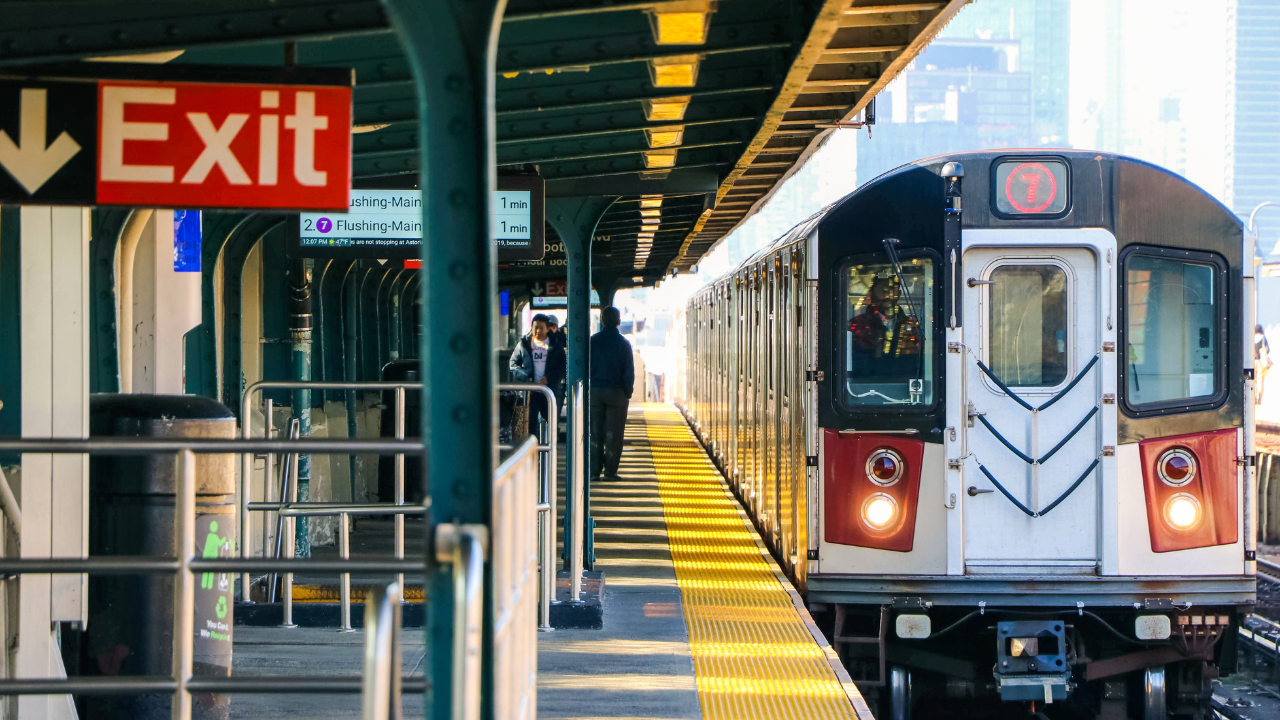
Each city has its unspoken rules when it comes to public transport. In Japan, travelers often keep quiet on trains; in New York, the pace is fast, and blocking doors is frowned upon. Pay attention to local behaviors — whether it’s offering seats to the elderly or maintaining organized queues — and emulate them.
Transit signage can be perplexing initially, but most cities use color-coded routes and clear directional arrows. Identifying the terminus station name (the final stop on the line) will guide your travels.
If you’re uncertain when to disembark, keep an eye on your location using your phone’s GPS or pay attention to notable landmarks. In cities such as Paris or Delhi, metro stations often bear names of renowned sites — like “Louvre-Rivoli” or “Rajiv Chowk.”
Smaller bus networks may not accept cashless payment methods. Ensure you have some local currency in coins or small bills, particularly in developing countries or rural locales.
Keep your belongings secure, try not to display expensive items, and be vigilant about announcements. Crowded buses and trains can attract pickpockets. A small crossbody bag or anti-theft backpack serves as a good investment.
If you find yourself lost, don’t hesitate to seek help. Most locals are willing to assist if asked courteously. Utilize basic English or translation apps for easier communication.
India’s urban transit networks — such as the Delhi Metro, Bangalore’s Namma Metro, and Mumbai Local Trains — rank among the most efficient and cost-effective in Asia. They blend modern amenities with local culture, offering superb options for travelers eager to explore authentically.
Consider public transport an adventure in itself. It’s a prime means to appreciate a city’s own tempo, connect with daily inhabitants, and discover hidden gems often overlooked by tourists.









Anticipated Dates for UAE Eid Al Adha 2026 Unveiled by Astronomical Experts
Experts predict Eid Al Adha 2026 in the UAE to start on May 27, prompting early holiday planning amo

DAE Achieves Remarkable Growth in Q1 2026 With Record Revenue
Dubai Aerospace Enterprise announces impressive financial results for Q1 2026, reflecting a surge in

Price Increase for Sony PS5 in Southeast Asia Effective May 1
Sony announces a price increase for the PS5 across Southeast Asia starting May 1, 2026, impacting ga

Potential ‘Super El Niño’ in 2026: Understanding the Climate Risks
Could a Super El Niño emerge in 2026? Discover its implications and potential global climate impacts

Global Energy Crisis Intensifies: Markets React to Oil Supply Challenges
Markets are on edge as oil disruptions escalate, influencing prices and economic stability. Explore

Must-See Tourist Spots in London You Can't Overlook
Explore London's essential attractions, from royal landmarks to vibrant markets, ensuring an unforge




